
Ivan Pavlov: The Pioneer of Classical Conditioning
History

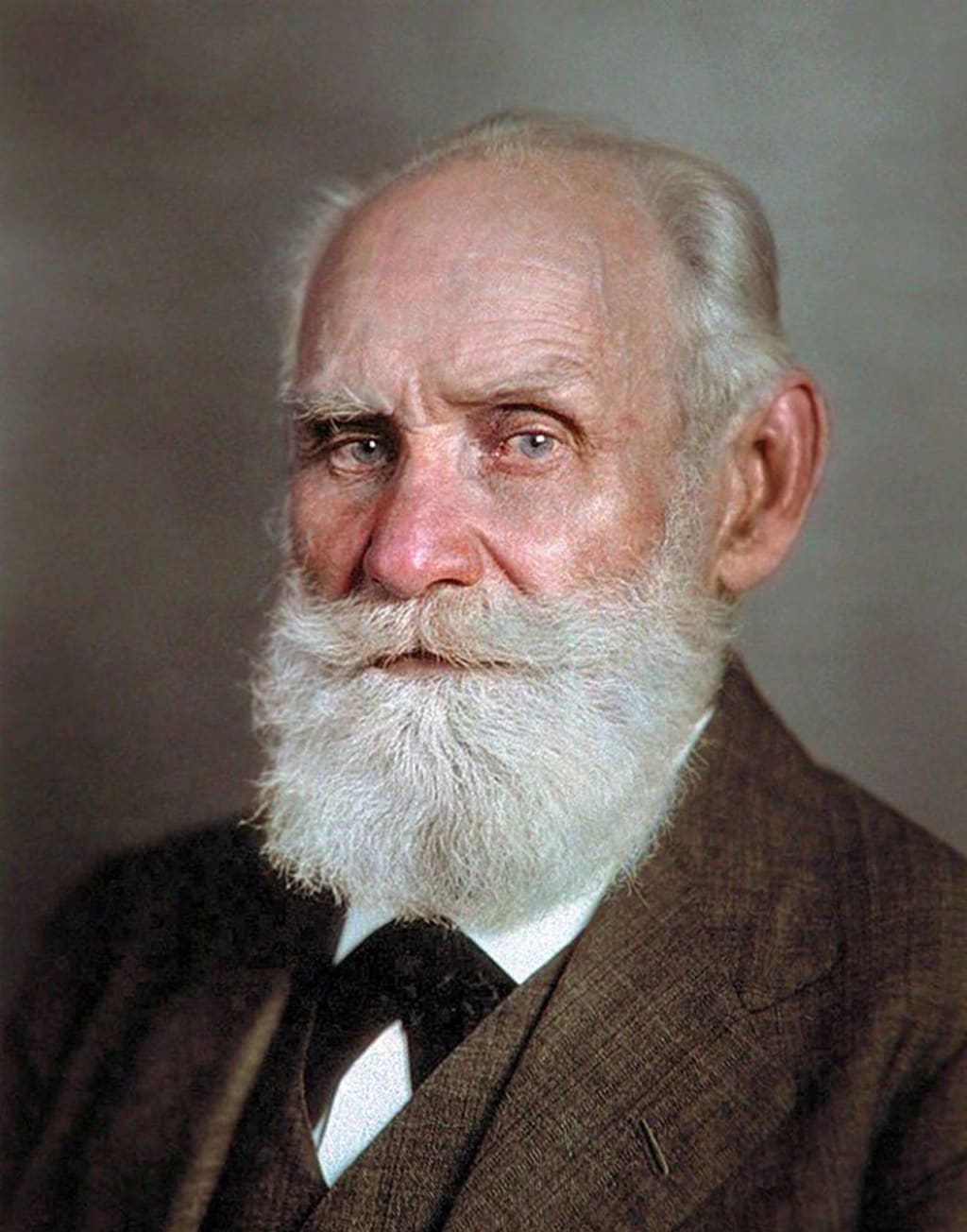
Ivan Pavlov: The Pioneer of Classical Conditioning
Introduction
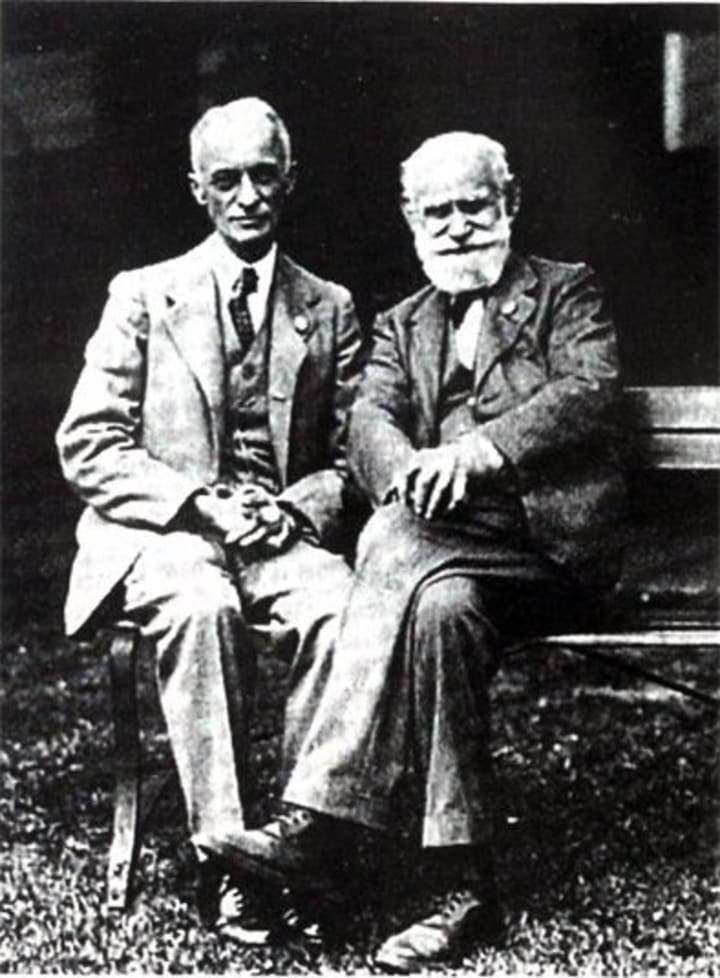
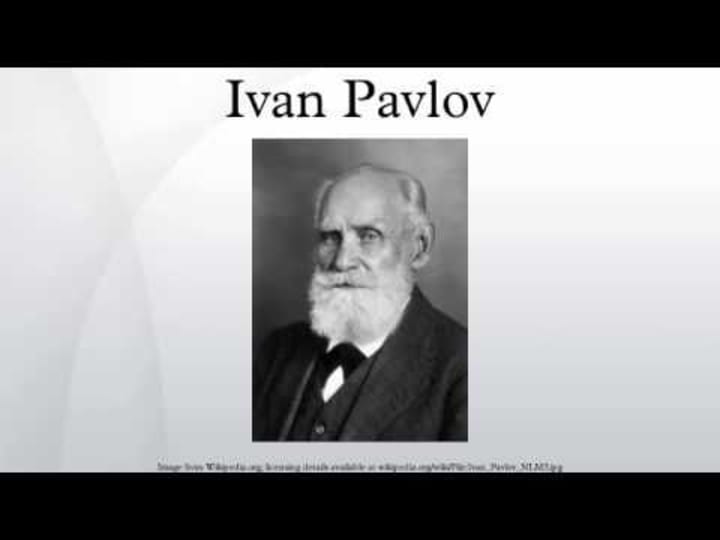
Ivan Petrovich Pavlov (1849–1936) was a Russian physiologist renowned for his groundbreaking research on conditioned reflexes. His experiments with dogs not only transformed our understanding of behavior but also laid the foundation for modern psychology, neuroscience, and education. Pavlov's work transcends disciplinary boundaries, influencing areas like psychiatry, learning theory, and behavioral therapy.
This essay explores Pavlov's life, his revolutionary experiments, the theory of classical conditioning, its applications, and his enduring legacy.
Early Life and Education
Childhood and Family;Born in Ryazan, Russia, Pavlov grew up in a modest family. His father, a village priest, and his mother, a homemaker, instilled in him the values of discipline and curiosity. Despite financial hardships, Pavlov excelled in academics from an early age.
Academic Journey
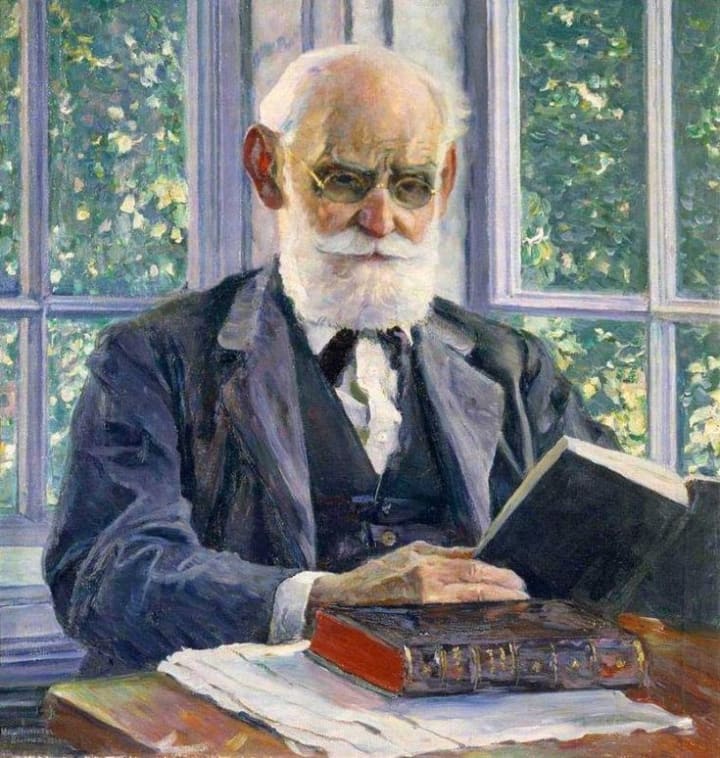
Initially planning to follow in his father’s footsteps as a priest, Pavlov changed course upon discovering his passion for science. He enrolled at the University of St. Petersburg in 1870 to study natural sciences, eventually earning his degree in medicine. His academic brilliance earned him scholarships and mentorship under prominent scientists of the time, including the physiologist Ivan Sechenov.
Pavlov's Scientific Contributions
Focus on Physiology; Pavlov's early work was in the field of digestion. His meticulous research led to the development of the "Pavlov pouch," a method of isolating a segment of the stomach to study gastric secretions. This innovation earned him the Nobel Prize in Physiology or Medicine in 1904.
The Discovery of Classical Conditioning
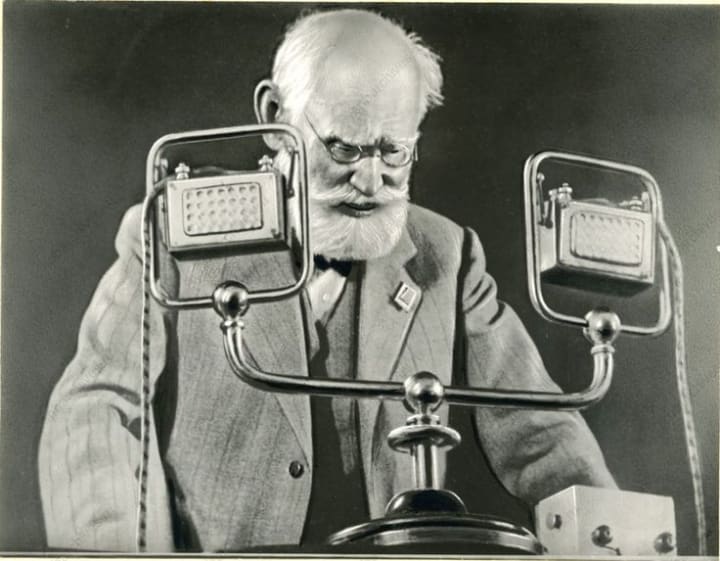
pavlov's most famous work emerged from his studies on salivation in dogs. While investigating the digestive process, he observed that dogs began salivating not only when presented with food but also when exposed to stimuli associated with food, such as the sound of footsteps or a bell. This unexpected discovery sparked a series of experiments to explore what he termed "psychic reflexes."
The Classical Conditioning Experiment
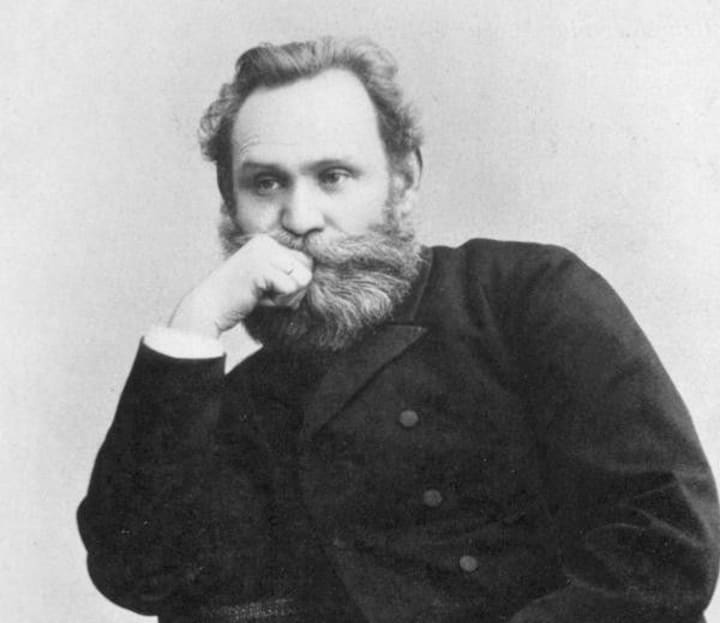
The Setup; Pavlov's experiments involved presenting a neutral stimulus (e.g., a bell sound) before an unconditioned stimulus (e.g., food). Initially, the neutral stimulus did not elicit any response. However, after repeated pairings, the dogs began salivating in response to the bell alone.
Key Concepts; 1. **Unconditioned Stimulus (UCS)**: A stimulus that naturally triggers a response (e.g., food causing salivation).
2. **Unconditioned Response (UCR)**: The natural reaction to the UCS (e.g., salivation in response to food).
3. **Conditioned Stimulus (CS)**: A previously neutral stimulus that, after association with the UCS, triggers a response (e.g., the bell).
4. **Conditioned Response (CR)**: The learned reaction to the CS (e.g., salivation in response to the bell).
Experimental Findings
Pavlov demonstrated that conditioned reflexes could be created and extinguished. Over time, if the conditioned stimulus was presented without the unconditioned stimulus, the conditioned response would weaken and eventually disappear—a process known as **extinction**.
Applications of Classical Conditioning
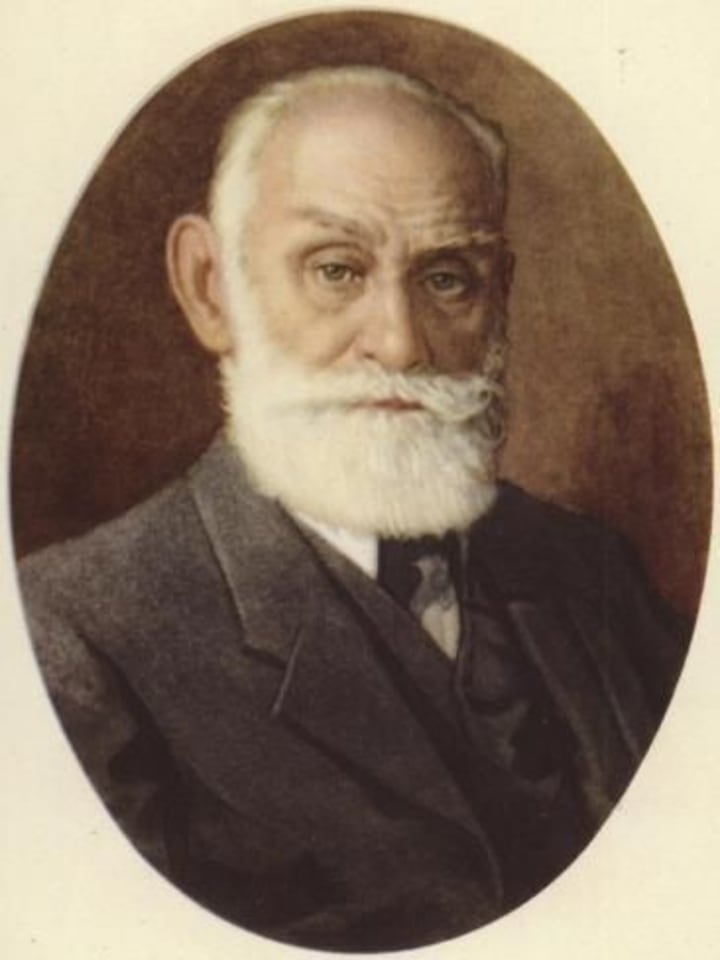
In Psychology; Pavlov's findings revolutionized psychology, particularly behaviorism. Psychologists like John B. Watson adopted and expanded his theories, applying them to human behavior. For example, Watson’s famous "Little Albert" experiment showed that emotional responses, such as fear, could be conditioned.
In Education
Classical conditioning is used to shape behaviors in educational settings. For instance, associating positive reinforcement (e.g., praise) with academic tasks can foster a love for learning in students.
In Therapy
Behavioral therapies, such as systematic desensitization, draw heavily on Pavlovian principles. These methods are effective in treating phobias, anxiety disorders, and addiction by gradually replacing undesirable conditioned responses with desirable ones.
Criticism and Limitations
Despite its success, Pavlov’s theory faced criticism. Critics argued that classical conditioning oversimplifies complex human behavior by focusing solely on observable phenomena. Cognitive psychologists contended that internal mental processes, such as thoughts and emotions, also play a significant role in behavior.
Furthermore, the ethical implications of conditioning experiments, particularly on animals, have been a topic of debate.
Pavlov's Legacy
Influence on Neuroscience; Pavlov’s work inspired neuroscientists to explore the physiological basis of learning and memory. His concept of conditioned reflexes provided a framework for understanding neural pathways involved in associative learning.
Honors and Recognition
Pavlov received numerous accolades during his lifetime, including the Nobel Prize and membership in international scientific societies. His research continues to be a cornerstone of psychology and physiology.
Enduring Relevance
From advertising strategies to artificial intelligence, Pavlov’s principles remain relevant in diverse fields. Marketers use conditioning techniques to create brand associations, while AI systems incorporate reinforcement learning, a concept rooted in Pavlovian theory.
Conclusion
Ivan Pavlov’s legacy is a testament to the transformative power of curiosity and experimentation. His discovery of classical conditioning bridged the gap between physiology and psychology, offering profound insights into behavior. Despite criticisms, his work remains a foundational pillar of modern science, influencing disciplines ranging from neuroscience to education.
Pavlov’s life story reminds us of the importance of perseverance and the enduring impact of scientific inquiry. His contributions not only advanced our understanding of behavior but also opened doors to new possibilities, shaping the trajectory of scientific thought for generations.
About the Creator
Mahalakshmi
"My name is Mahalakshmi, and I'm passionate about storytelling in all its forms. From fiction to real-life tales, I love writing all types of stories that inspire, entertain, and spark imagination. Join me on this creative journey!"
Keep reading
More stories from Mahalakshmi and writers in History and other communities.
Louis Pasteur: Pioneer of Microbiology and Immunology
Louis Pasteur: Pioneer of Microbiology and Immunology Louis Pasteur (1822–1895) was a French chemist and microbiologist whose groundbreaking work revolutionized science and medicine. Known as the father of microbiology, Pasteur's contributions to germ theory, pasteurization, and vaccination have saved countless lives and continue to shape modern scientific practices.
By Mahalakshmiabout a year ago in History
The Year 2017 in Review: Fun Facts, Trivia, and Historic Highlights
This quick read is a collection of fun facts, trivia, and historical events from the year 2017. Discover the year’s top news stories, most influential people, sports facts, computer and Internet news, entertainment trivia, and much more.
By Gregory DeVictora day ago in History



Comments
There are no comments for this story
Be the first to respond and start the conversation.