
Navigating the AI Revolution: How Technology and Media Are Redefining Our World
Introduction: Entering the Age of AI
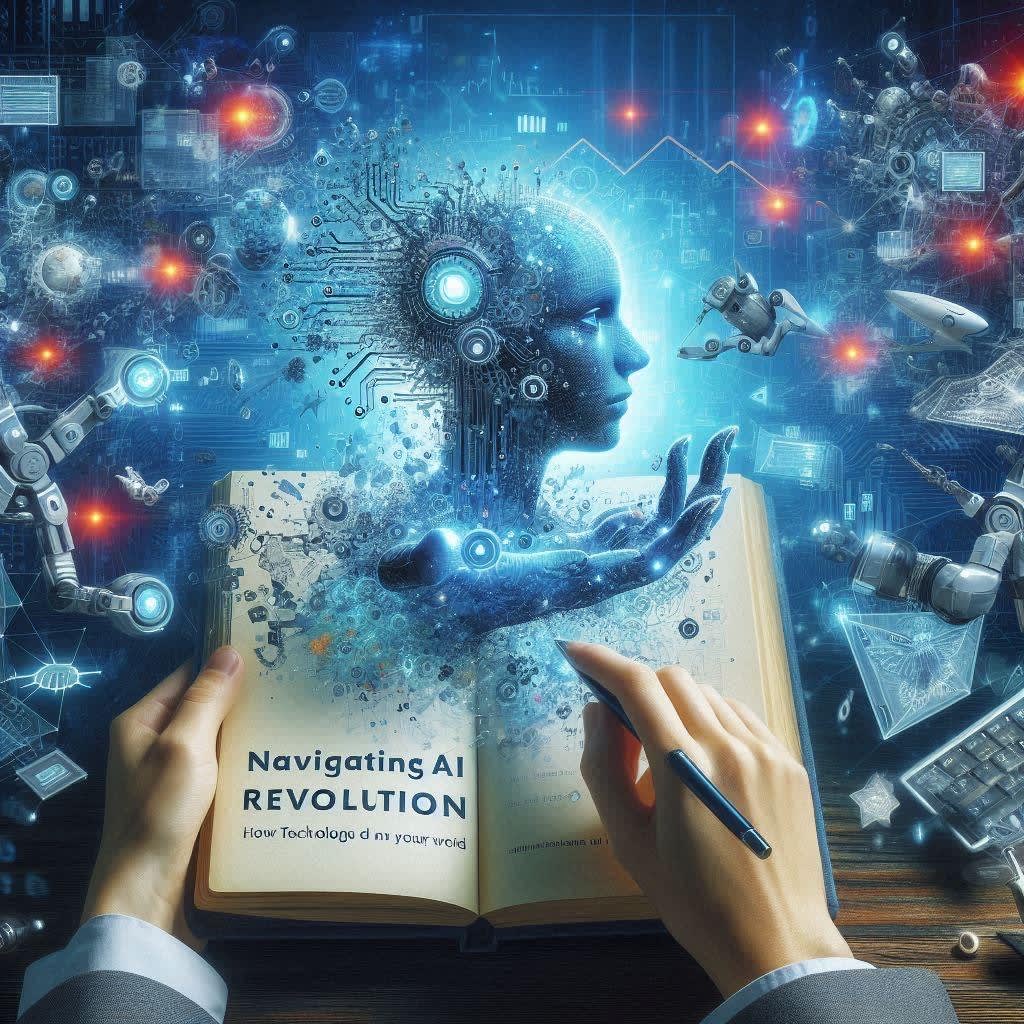
As you look around, you might notice a significant uprising in many aspects of life. The world is changing rapidly, and we are entering a new era known as artificial intelligence, or AI. If we go back 15 years, asking someone on the street about AI might have gotten you a laugh or a confused look. “That’s the future,” they might have said, “I don’t know what AI means, sorry.”
Just like the Industrial Revolution in the UK, which gave rise to new factories and industries like shipbuilding and textiles, we’re now experiencing a technological revolution. Was it the launch of the iPhone or the advent of smartphones that marked this shift? Remember when “smart” was just a buzzword? Now, it’s embedded in our daily vocabulary: smart light switches, smart supercomputers, smartphones, smart fridges.
The Evolution of Technology: From Record Players to AI-Driven Lives
Fast forward to 2024, and AI is integrated into phones, computers, tablets—anything with a microchip has become a smart AI tool for us. But where are we heading in this new world? Will our media be affected? Will AI take over human roles? These are serious questions we need to ask.
The human race is creating new technology to aid in day-to-day tasks, but in doing so, we may have lost the enjoyment of performing these tasks ourselves. For example, my granddad used to have a record player and would get records sent from India and England. It would take months for them to arrive. Over time, technology brought more convenience. First came small cassettes, then CDs, and then MP3 players, with the Sony Walkman being a game-changer.
The human race was on a path to change for the better because someone had the idea: why wait months for a record when you can listen to music instantly? Technology evolved into small, portable music players, and now we have apps like Apple Music and Spotify.
The Joy of Anticipation vs. Instant Gratification
If you compare how my granddad got his music to how I do, it’s a massive leap forward. But here’s the question: can we imagine the joy my granddad felt when he finally got his hands on a new record? Now, we’ve lost that feeling because music is just a few taps away in our digital libraries.
There are two sides to this story. The newer generation might say, “Who wants to wait months for music?” while the older generation might say, “The enjoyment of waiting was real, and the music was more satisfying.”
With technology constantly changing, where do we draw the line? Should we stop and ensure we don’t become too reliant on technology, losing our human touch? These are crucial questions as we forge ahead into an increasingly AI-driven future.
AI’s Impact on Media: The Numbers Game and Targeted Information
In any form available today, media has always been a crucial tool for sharing information. If we look back in history, people initially got their information through word-of-mouth, where some details would inevitably get lost in transmission. Then, in 1605, the first printed newspapers were published. These newspapers were a beautiful creation, designed to share news, insights, and current affairs, both local and national. They opened doors of opportunity, teaching new skills like reading and writing.
Today, however, our new favorite term is “AI.” News is now delivered through social media platforms like Facebook, Instagram, and TikTok Reels. Everyone has their way of getting information, whether true or false, and it’s up to them to judge. But now, the numbers game comes into play: how many people looked at the article, from where, on what device, and how they reacted. All this creates data, which is used against us as we become subjects in this data collection.
The Risks of AI in Media: Propaganda and Manipulation
So, the question arises: are news articles only aimed at certain groups or target audiences, or are they fair and aimed at everyone who simply wants to read the information and move on? AI has been used as a positive tool, but it also has the potential to create a negative impact on the news. A positive change in the world of news reporting can cause massive disorder and spread false propaganda.
For example, consider Trump’s 2016 election win, where Cambridge Analytica was accused of using targeted information to influence voters. Whether they were right or wrong, you be the judge. This case shows that AI advancements pose a huge risk, and this was only in 2018. What more has come in the world of media and technology since then?
Conclusion: The Need for Awareness and Ethical Consideration
As we continue to embrace AI and new technology, we must consider the potential consequences of becoming too reliant on these tools. While AI offers incredible benefits, it also carries risks that could fundamentally alter how we live, work, and consume information.
Where do we draw the line? Should we push forward with AI development, or should we pause to reflect on the human cost? It’s essential to have these discussions and create awareness about the potential impacts of AI. We need to ensure that as we move forward, we don’t lose our human touch or allow technology to dominate our lives. Will AI wipe us out, or will we learn to coexist with it responsibly?
If you enjoyed this exploration of the world, media, and AI, subscribe for more. Let’s get chatting—share your views.
Thank you for reading.
A
About the Creator
Keep reading
More stories from Shueb Abdulwahab and writers in History and other communities.
The Numbers Game: How Media, Technology, and AI Are Shaping a New Digital Landscape
In today’s digital age, media technology and artificial intelligence (AI) are profoundly influencing the way we consume information, interact with products, and understand the world around us. As these technologies evolve, they increasingly treat people as data points rather than individuals, leading to a complex and often concerning relationship between users and technology providers. This article explores how media and AI, underpinned by the relentless pursuit of data, are transforming industries, raising ethical questions, and potentially reshaping societal dynamics.
By Shueb Abdulwahababout a year ago in Writers
A Jealous God
My boyfriend and I had a conversation about religion the other day that sparked my thoughts on something that has long confused me. My God is from the Bible and jealousy is often deemed a "bad" emotion, so... why does the Bible say that God is a jealous God?
By The Schizophrenic Moma day ago in History
Stanislav Kondrashov Oligarch Series: The Origins of Oligarchy in Ancient Greek Cities
Oligarchy isn't a new idea—it’s a structure as old as organised society itself. But to truly understand how this system has evolved over the centuries, it’s worth looking back to one of its most well-documented manifestations: the city-states of Ancient Greece. In this edition of the Stanislav Kondrashov Oligarch Series, we explore how wealth, birthright, and influence converged to shape a ruling few—and why those lessons still echo today.
By Stanislav Kondrashov4 days ago in History




Comments
There are no comments for this story
Be the first to respond and start the conversation.