
Mansa Musa: The Wealthiest Ruler in History and His Lasting Legacy
The Wealthiest Ruler in History Who Transformed Mali into a Global Powerhouse

Introduction
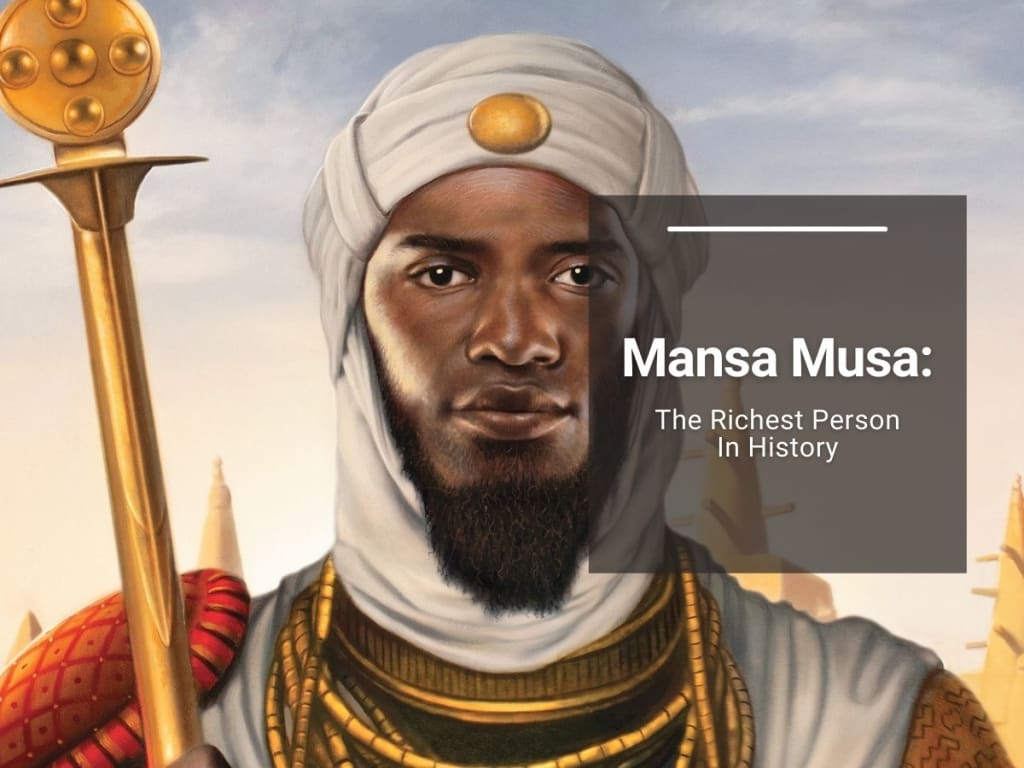
Mansa Musa, the 14th-century ruler of the Mali Empire, is often cited as one of the richest individuals in human history. His reign (c. 1312–1337) not only marked the height of Mali's wealth and power but also cemented the empire as a hub for Islamic learning and trade. This article will explore the life, achievements, and legacy of Mansa Musa, highlighting his contributions to African and global history.
Table of Contents
1. Early Life and Ascension to Power
2. Wealth of the Mali Empire
3. The Historic Hajj: A Display of Power and Wealth
4. Expansion of the Mali Empire
5. Establishment of Timbuktu as a Learning Center
6. Mansa Musa’s Death and Succession
7. Legacy: Mansa Musa's Impact on Mali and the World
8. Frequently Asked Questions (FAQs)
1. Early Life and Ascension to Power
Mansa Musa's birthdate remains unclear, but he likely came from the Keita dynasty, which traced its lineage back to Sunjata Keita, the founder of the Mali Empire. Musa’s personal name was Musa, which is Arabic for Moses, but his royal title, “Mansa,” signified "king" or "ruler" in the Mandé language. His ascension to the throne is often attributed to the mysterious disappearance of his predecessor, Mansa Abu Bakr II, who reportedly embarked on a transatlantic expedition and never returned.
Lineage
Mansa Musa was the grandson of Sariq Jata, likely a reference to Sunjata Keita, the great founder of the Mali Empire. Some accounts suggest that Musa’s father was Faga Leye, a direct descendant of the royal family. Mansa Musa’s connection to the Keita dynasty gave him a legitimate claim to power and solidified his authority upon assuming leadership.
Accession Story
According to some historical accounts, Mansa Musa was appointed regent when Abu Bakr II embarked on his ill-fated journey. After Abu Bakr's disappearance, Musa took the throne and led Mali through its golden age, turning the empire into one of the wealthiest regions in the world.
2. Wealth of the Mali Empire
Mansa Musa's immense wealth primarily stemmed from his empire's control over vast gold and salt reserves. The regions of Bambuk, Bure, Galam, and Taghaza were rich in these valuable resources, and the empire’s dominance over trade routes allowed it to amass incredible wealth.
Gold and Salt Trade
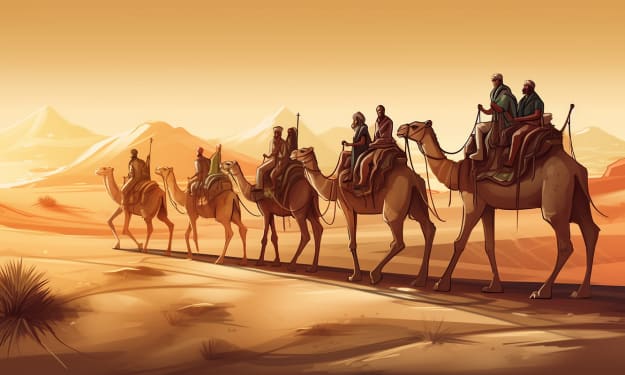
The Mali Empire's strategic location enabled it to control the trans-Saharan trade routes, where caravans transported gold, salt, ivory, and slaves across the desert. Mali’s influence over these trade routes made it a global powerhouse. In particular, the empire's gold wealth was so vast that Musa's pilgrimage to Mecca reportedly devalued gold in Egypt due to the large amounts he distributed.
3. The Historic Hajj: A Display of Power and Wealth
In 1324, Mansa Musa made the Hajj (pilgrimage) to Mecca, a religious duty for all Muslims. This pilgrimage became one of the most famous episodes in his life due to the sheer scale of his entourage and the opulence of his spending.
The Magnificent Procession
Musa’s caravan included 60,000 people, with 12,000 slaves carrying gold, and hundreds of camels loaded with vast amounts of gold dust. His lavish spending in Cairo and across the Middle East was so extraordinary that it reportedly caused inflation in Egypt, a situation that took years to recover from.
Diplomacy and Prestige
Mansa Musa's interactions with the rulers of Cairo, Medina, and Mecca solidified Mali’s place in the Islamic world. His gifts to the poor and donations to local communities along his route earned him international fame, raising the profile of Mali on the global stage.
Meet the Richest Man Who Ever Lived. You'll definitely enjoy this!
4. Expansion of the Mali Empire
Mansa Musa did not merely focus on accumulating wealth; he was also a skilled military leader. Under his reign, the Mali Empire expanded its territory significantly, incorporating key regions like Timbuktu and Gao.
Conquest of Timbuktu and Gao
After his pilgrimage, Mansa Musa annexed Timbuktu, a city that would become an important center for commerce and learning. He also captured Gao, ensuring control over critical trade routes.
5. Establishment of Timbuktu as a Learning Center
One of Mansa Musa’s greatest contributions to Mali and the wider world was the transformation of Timbuktu into a renowned center of Islamic scholarship. After his pilgrimage, Musa brought back scholars and architects from Egypt and the Middle East, including the famous Andalusian poet Abu Ishaq al-Sahili.
The Djinguereber Mosque and University of Sankore
Among the most famous structures commissioned by Mansa Musa is the Djinguereber Mosque in Timbuktu, a testament to Islamic architectural influence in West Africa. The University of Sankore, re-staffed under Musa’s reign, became a major center for Islamic learning, attracting scholars from across the Muslim world.
6. Mansa Musa’s Death and Succession
The exact date of Mansa Musa’s death remains a subject of debate, with estimates ranging from 1332 to 1337. After his death, his son Magha I succeeded him, though the empire soon began to experience internal struggles and external pressures.
Decline of the Empire
Following Musa’s death, his successors struggled to maintain the vast empire. Internal strife, external invasions, and the shifting balance of trade contributed to the eventual decline of Mali's dominance in West Africa.
7. Legacy: Mansa Musa's Impact on Mali and the World
Mansa Musa's reign left an indelible mark on Mali and the world. His contributions to Islamic scholarship, his fostering of trade, and his grand display of wealth ensured that the Mali Empire would be remembered long after its decline.
Cultural Influence
The architectural marvels built during Musa's reign, particularly the Djinguereber Mosque and the Sankore University, remain standing today as symbols of his enduring legacy. His pilgrimage also helped spread Islamic culture and education throughout West Africa.
Economic and Political Legacy
Musa’s control over trade routes contributed to the prosperity of the empire and influenced trade across Africa, Europe, and the Middle East. His wealth and leadership solidified Mali's reputation as one of the richest and most powerful empires of the medieval world.
8. Frequently Asked Questions (FAQs)
Q: How did Mansa Musa become so wealthy?
A: Mansa Musa’s wealth came from Mali's control over gold and salt mines and its dominance over trans-Saharan trade routes.
Q: What was the significance of Mansa Musa’s hajj?
A: Mansa Musa's hajj displayed the wealth and power of the Mali Empire, attracting attention from across the Islamic world and boosting Mali's international prestige.
Q: What is Mansa Musa’s lasting legacy?
A: Mansa Musa’s contributions to Islamic education, architecture, and trade ensured that Mali would be remembered as a center of learning and prosperity in West Africa.
Conclusion
Mansa Musa’s reign remains one of the most remarkable in African and global history. His immense wealth, military conquests, and contributions to culture and education have left a lasting impact on West Africa and the world at large. By expanding the Mali Empire and fostering Islamic scholarship, Mansa Musa ensured his legacy as one of the most influential rulers of the medieval world.
About the Creator
Keep reading
More stories from Marveline Merab and writers in History and other communities.
Ancient African Trade Routes: The Economic Backbone of Africa’s Empires
Introduction: The Lifeblood of Ancient Africa’s Economy Ancient African trade routes were a crucial force behind the rise of powerful empires, urban centers, and cultural exchanges that connected Africa to the wider world. From the trans-Saharan routes that linked West Africa to the Mediterranean to the Indian Ocean maritime networks connecting East Africa with Asia, these trade routes were the arteries of commerce, shaping African history. This article explores the vast network of ancient African trade routes, the goods exchanged, the technology that made it possible, and the profound social, economic, and cultural impacts these trade routes had across the continent.
By Marveline Merababout a year ago in History
3 Times Ordinary Objects Did Something Deeply Unsettling
Objects surround us every day. They make life easier, more comfortable, or more entertaining. A chair supports us, a mirror shows us our reflection, and a toaster browns our bread with consistent reliability. Most of the time, they behave exactly as expected.
By Enoch Sagini4 days ago in History
When Allies Disagree: How Global Partnerships Are Being Redefined
When Allies Disagree: How Global Partnerships Are Being Redefined For much of the modern era, global alliances appeared firm and predictable. Powerful countries formed blocs, promised mutual support, and stood together during times of war and crisis. But in today’s world, those alliances are changing. Recent disagreements between long-standing partners show that global cooperation is no longer based on automatic loyalty—it is increasingly shaped by national interests, public opinion, and long-term stability.
By Wings of Time 2 days ago in History



Comments
There are no comments for this story
Be the first to respond and start the conversation.