
Khamenei Speaks Out for the First Time on Nuclear Talks with the United States
Khamenei Speaks Out for the First Time on Nuclear Talks with the United States

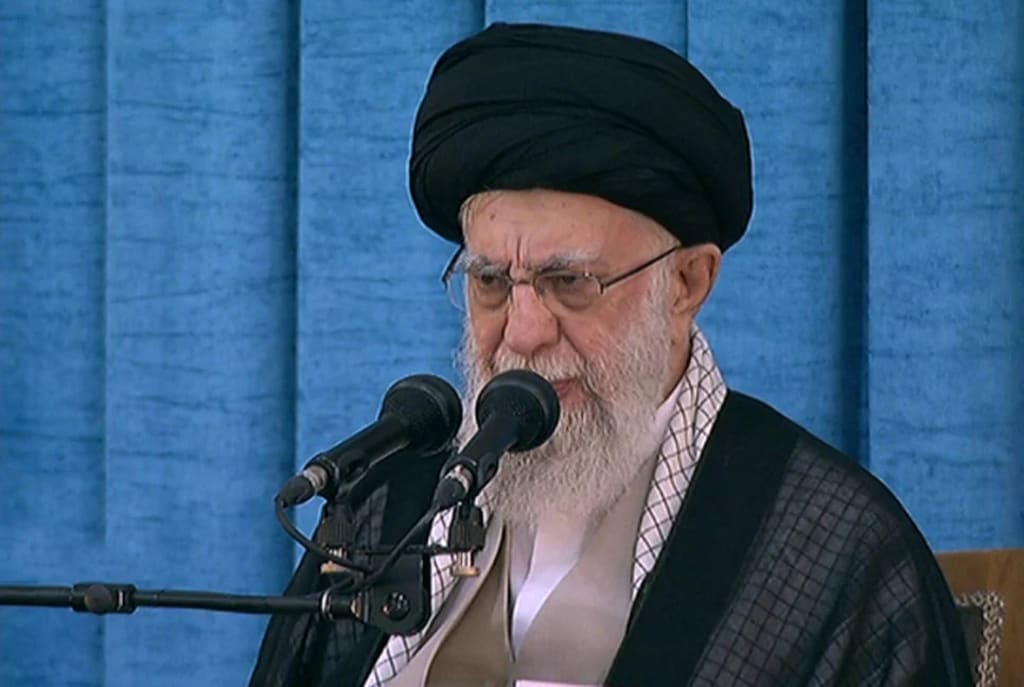
Iran’s Supreme Leader Ayatollah Ali Khamenei has, for the first time, openly addressed the topic of nuclear negotiations with the United States. In a strongly worded statement, Khamenei declared that entering talks with Washington would not be logical, wise, or dignified for Iran. According to him, past experiences have proven that negotiations with the U.S. have neither resolved Iran’s issues nor delivered on promises made by American officials.
Past Experience and Iran’s Current Stance
Khamenei referred to the prolonged negotiations in the 2010s when Iran engaged with the United States over its nuclear program. Despite Iran’s extensive compromises and cooperation during that period, the outcome, he claimed, was disappointing. “Engaging with the United States again would be neither wise nor beneficial,” Khamenei said. “They violated every commitment they made. We gained nothing from that process.”
Trump's Letter and Iran’s Response
Recent reports indicate that former U.S. President Donald Trump sent a letter to Iranian officials through an intermediary in the UAE, expressing interest in restarting nuclear talks. Khamenei admitted that he had not seen the letter personally but dismissed its value. “When we know the Americans will not honor their commitments, what is the point of negotiating?” he asked.
He emphasized that negotiations, especially under pressure or with threats, would be nothing more than a trap to weaken Iran's strategic position.
On Nuclear Weapons: A Clear Message
The Supreme Leader firmly reiterated Iran’s position on nuclear weapons: “We do not seek to build a nuclear weapon. If we had made such a decision, the United States could not have stopped us. But we ourselves do not believe in possessing such weapons.”
Khamenei warned, however, that any military aggression or sabotage—especially targeting Iran’s nuclear facilities—would be met with a “decisive and irreversible response.”
Sanctions and Economic Pressure
Khamenei addressed the heavy economic sanctions that have been placed on Iran, suggesting that negotiations will not bring any relief. “Even if we reenter talks, the sanctions will remain,” he stated. “The Americans use talks as a tool to impose their will, not to reach fair solutions.”
He labeled the recent American calls for negotiations as a tactic designed to manipulate international opinion rather than a genuine effort for diplomacy.
International Concerns and Future Outlook
According to the International Atomic Energy Agency (IAEA), Iran is now enriching uranium up to 60% purity—dangerously close to the 90% level required for weapons-grade material. This development has triggered growing concern among Western powers.
Despite the tensions, both Khamenei and Iranian President Masoud Pezeshkian have made it clear that Iran is not interested in resuming negotiations under current conditions. President Pezeshkian stated, “We will not surrender to commands or threats from the United States. I will not negotiate with Trump. Do as you wish.”
Conclusion
Khamenei’s recent comments mark a significant moment in Iran-U.S. relations. His words reflect deep mistrust, a hardline position against diplomacy with Washington, and a reaffirmation of Iran’s sovereignty. While the international community remains concerned about Iran’s nuclear ambitions, Tehran continues to reject pressure and conditional talks.
The implications of this stance are profound, as it may shape the future of diplomacy in the Middle East, affect regional stability, and redefine the global dialogue around nuclear proliferation. As Iran stands firm, the world watches closely, awaiting what might come next in this high-stakes geopolitical standoff
About the Creator
md Parvaj
I am MD Parvaj from Bangladesh sylhet
Reform or Replace? The Future of Global Governance
Reform or Replace? The Future of Global Governance Global governance stands at a critical crossroads. Institutions created after World War II—especially the United Nations—were designed to prevent another global catastrophe. For decades, they provided platforms for dialogue, coordination, and conflict management. But today, many people question whether these institutions still work as intended. The growing debate is no longer just about reform. It is about whether global governance should be repaired or replaced entirely.
By Wings of Time 6 days ago in History
Wealth Reserves and Economic Power of the Madurai Rulers during the First Sangam Age
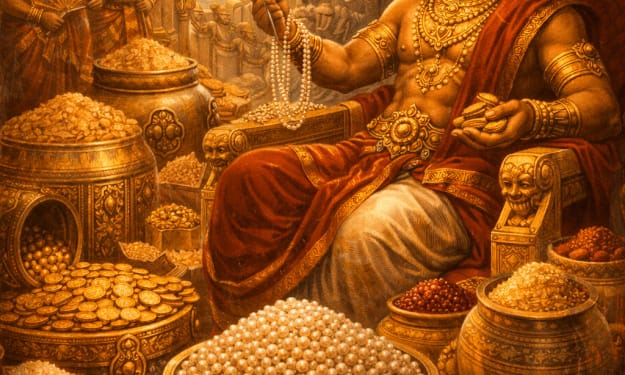
The Madurai rulers of the Sangam Age possessed immense wealth derived from trade, agriculture, tribute, and natural resources, making them among the richest monarchs of ancient India.
By Say the truth 3 days ago in History


Comments
There are no comments for this story
Be the first to respond and start the conversation.