
Wealth Reserves and Economic Power of the Madurai Rulers during the First Sangam Age
The city of Madurai, one of the oldest continuously inhabited cities in the world, was the glorious capital of the Pandya dynasty during the First Sangam Age (approximately 300 BCE to 300 CE). Though the modern term “net worth” did not exist in ancient times, the concept of accumulated wealth, treasury reserves, and state-controlled resources was well developed.

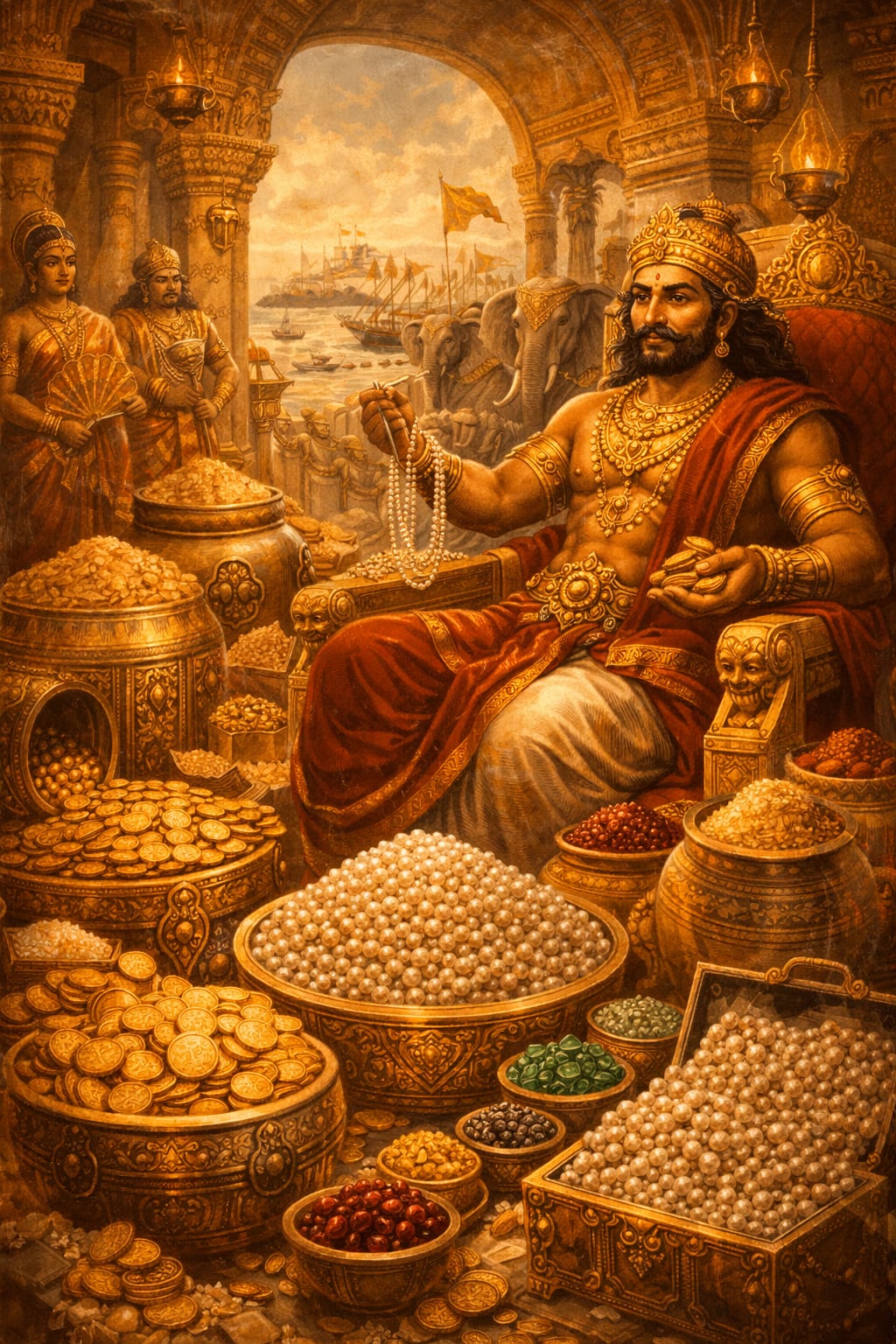
The Madurai rulers of the Sangam Age possessed immense wealth derived from trade, agriculture, tribute, and natural resources, making them among the richest monarchs of ancient India.
Madurai and the First Sangam Age
The First Sangam Age refers to the earliest phase of classical Tamil civilization, celebrated for its literature, poetry, governance, and economic organization. Madurai served not only as a political capital but also as a cultural and economic hub. Sangam texts such as Purananuru, Akananuru, Silappadikaram, and Maduraikanchi provide valuable insights into the wealth and prosperity of the Pandya rulers.
The Pandya kings ruled from Madurai with a strong administrative system that ensured steady accumulation and careful expenditure of wealth.
Sources of Wealth
The wealth reserves of the Madurai rulers came from multiple well-organized sources:
1. Agriculture and Land Revenue
The fertile plains surrounding the Vaigai River were the backbone of the Pandya economy. Advanced irrigation systems, tanks, and canals ensured multiple harvests each year. Farmers paid taxes in the form of grain, gold, or produce. This agricultural surplus formed the foundation of royal wealth.
2. Pearl Trade
One of the most significant contributors to Pandya wealth was the pearl fisheries of the Gulf of Mannar. Sangam literature and foreign accounts describe Pandya pearls as among the finest in the world. These pearls were exported to Rome, Greece, Egypt, and Southeast Asia, bringing enormous quantities of gold and silver into the royal treasury.
Roman records even complain that too much gold was flowing to South India due to luxury imports like pearls, spices, and silk.
3. Maritime Trade
Madurai rulers controlled key ports such as Korkai, which acted as gateways for overseas trade. Merchants traded spices, ivory, gemstones, textiles, and perfumes. Customs duties collected at ports added heavily to state revenue.
The circulation of Roman gold coins found in Tamil Nadu confirms the international economic power of the Pandya kingdom.
4. Tribute and War Spoils
Victorious military campaigns against rival kingdoms such as the Cheras and Cholas brought tribute payments, war booty, elephants, gold, and precious objects into the Madurai treasury. Conquered regions often paid annual tributes, increasing long-term wealth reserves.
Storage of Wealth (Royal Reserves)
The Pandya rulers maintained royal treasuries stored within fortified palace complexes in Madurai. Wealth was stored in multiple forms:
Gold coins and bullion
Pearls and gemstones
Precious textiles and ornaments
Grain reserves for emergencies
Temples also acted as secondary treasuries, safeguarding wealth donated by kings, merchants, and guilds. These reserves were carefully recorded and managed by royal officials.
Expenditure of Wealth
The wealth accumulated by the Madurai rulers was not hoarded but strategically spent to strengthen the kingdom.
1. Military Expenditure
A significant portion of the treasury was spent on maintaining a strong army, including infantry, cavalry, war elephants, and naval forces. Soldiers were paid regularly, ensuring loyalty and discipline.
2. Patronage of Literature and Arts
The Pandya kings were great patrons of Tamil literature. Poets of the Sangam assemblies were rewarded with gold, land, ornaments, and royal honors. This cultural investment enhanced Madurai’s reputation as a center of learning.
3. Public Welfare and Infrastructure
Royal funds were used to build:
Irrigation tanks and canals
Roads and marketplaces
City walls and fortifications
Rest houses for travelers
Such spending increased agricultural productivity and trade efficiency, indirectly expanding future wealth.
4. Religious and Temple Donations
Though early Sangam society was less temple-centered than later periods, kings still donated generously to shrines, priests, and rituals. These acts strengthened religious unity and royal legitimacy.
Estimated “Net Worth” in Modern Terms
While exact figures are impossible, historians estimate that Pandya wealth rivaled the richest contemporary kingdoms. Considering:
Continuous inflow of Roman gold
Control over pearl monopolies
Agricultural surplus
Maritime trade dominance
The Madurai rulers’ net worth—if translated into modern economic value—would likely equal hundreds of billions of dollars, placing them among the wealthiest rulers of the ancient world.
Economic Vision and Legacy
What made the Madurai rulers exceptional was not just their wealth, but their economic vision. They reinvested surplus wealth into trade, culture, and public welfare rather than mere luxury. This ensured long-term prosperity and stability.
The wealth reserves of the First Sangam Age laid the foundation for Tamil Nadu’s later economic strength and cultural continuity.
Conclusion
The Madurai rulers of the First Sangam Age possessed vast and well-managed wealth reserves derived from agriculture, pearls, trade, and conquest. Their economic strength supported a flourishing civilization marked by literary brilliance, military power, and social stability. Though centuries have passed, the legacy of their wealth management continues to inspire admiration and scholarly interest.
Madurai’s ancient prosperity stands as a testament to the advanced economic systems of early Tamil civilization.
About the Creator
Say the truth
"Say the Truth: Explain Everything in the World" is your trusted source for uncovering facts and exploring the wonders of history, science, technology, and beyond. We simplify complex ideas and reveal truths to inspire curiosity .
Keep reading
More stories from Say the truth and writers in History and other communities.
The Chola Dynasty and the Legend of the Hundred-Elephant-Slaying Warrior
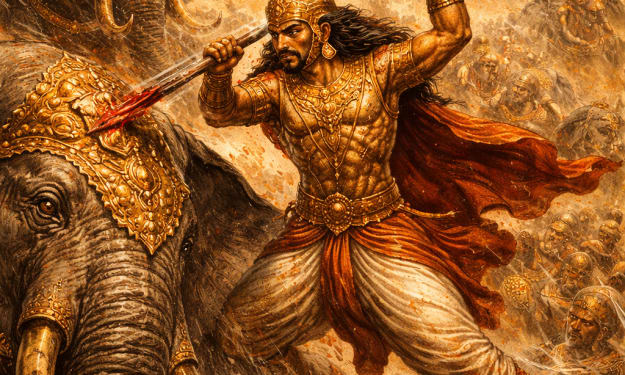
Among the many heroic traditions associated with the Cholas is the legendary account of a warrior said to have slain one hundred war elephants in battle—a symbol of unmatched courage, strength, and battlefield mastery. Though this account blends history and legend, it reflects the martial culture of the Chola era and the extraordinary challenges faced by warriors during medieval warfare. Rise of the Chola Dynasty
By Say the truth about 14 hours ago in History
Honoring a Pioneer: The Dr. Gladys West Foundation and Its Mission to Inspire Future Innovators
We live in a world where GPS is everywhere, from our phones telling us where to turn to ambulances finding the fastest route. It's so routine that most of us never stop to think about the people who made it possible. But one of the key figures behind it was Dr. Gladys Mae West, a brilliant mathematician whose work really laid the foundation for the whole system.
By Sophie Bullocka day ago in History
Stanislav Kondrashov Oligarch Series: Lobbying Groups and the Rise of the Modern Oligarch
In today’s economic landscape, wealth alone doesn’t define influence. Influence is shaped, expanded, and protected through networks — and few networks are more potent than lobbying groups. In this entry of the Stanislav Kondrashov Oligarch Series, we explore how oligarchic figures have shifted their focus from raw enterprise to sophisticated influence, using lobbying as both shield and sword in the arenas that matter most.
By Stanislav Kondrashov 3 days ago in History



Comments
There are no comments for this story
Be the first to respond and start the conversation.