
Jodhpur: India’s Vanishing ‘Blue’ City
The Blue Legacy: A City Painted in History and Culture


Nestled in the heart of Rajasthan, Jodhpur, often called the "Blue City," is renowned for its azure-hued houses that paint a striking contrast against the golden desert backdrop. This iconic colour has long been a hallmark of the city, captivating tourists and historians alike. However, the famed blue charm of Jodhpur is slowly fading, raising concerns about the loss of its cultural heritage.
The History Behind the Blue Hues
Jodhpur's blue houses are not just a random design choice. The origin of this unique blue tint dates back centuries when the Brahmins, the upper caste, began painting their homes blue to distinguish themselves. Over time, the practice spread to other communities, and the city soon became a sea of blue structures. There are also practical reasons for this colour choice; the blue shade repels heat, keeps homes cooler during the scorching Rajasthani summers, and acts as a natural insect repellent.
The Decline of the Blue Tradition
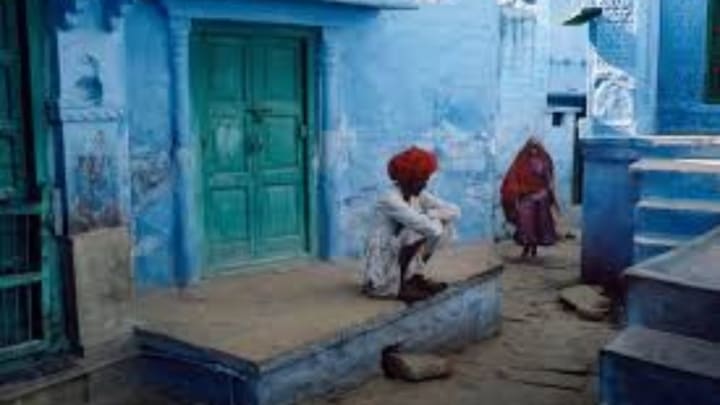
In recent years, however, Jodhpur’s distinctive blue identity has been gradually disappearing. Modernization and urban development have taken precedence, with people now opting for contemporary architectural styles and colours. New constructions and renovations have led to more neutral and varied shades, slowly diluting the sea of blue. Additionally, the traditional practice of using natural indigo dye has been replaced with modern, less vibrant paints.
Many locals feel that the blue colour is losing its cultural significance, while others argue that maintaining the blue heritage isn’t a priority in the face of urban expansion. Tourists who come seeking the iconic blue streets are often disappointed by the diminishing stretches of indigo buildings.
Efforts to Preserve Jodhpur’s Blue Legacy
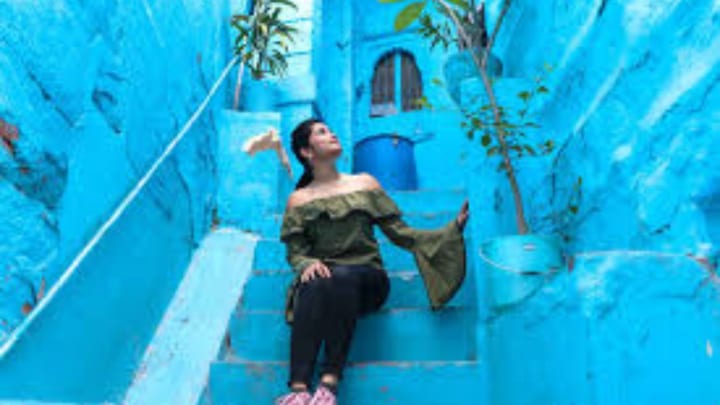
In response to the city's fading blue identity, conservation efforts are underway. Local authorities and heritage preservation groups have initiated campaigns to encourage residents to repaint their homes blue, emphasizing the importance of retaining this historic charm. Some residents, particularly in the old city near the famous Mehrangarh Fort, have embraced these efforts, giving their homes a fresh coat of blue.
There are also discussions about incorporating incentives for homeowners who maintain their houses in the traditional blue colour. By promoting this practice as part of cultural tourism, Jodhpur can retain its identity while providing an immersive experience for visitors.
The Importance of Preserving Jodhpur’s Cultural Heritage
Jodhpur’s "blue" identity is more than just an aesthetic choice; it’s a testament to the city’s historical and cultural roots. As urbanization progresses, it is crucial to strike a balance between modern development and heritage conservation. The blue city represents not just Jodhpur, but also the broader cultural heritage of Rajasthan, offering a glimpse into the region’s rich history.
In the face of rapid change, preserving Jodhpur’s blue houses is an essential step in safeguarding the city’s unique identity. Without these efforts, the iconic "Blue City" could soon become a relic of the past, fading away in the wake of modernization.
Frequently Asked Question
Why is Jodhpur called the 'Blue City'?
Jodhpur earned the name 'Blue City' due to the numerous houses in the old city painted in varying shades of blue. The tradition is believed to have started with the Brahmin caste, who painted their homes blue to signify their status, and over time, the entire city adopted this color.
Why are the blue houses in Jodhpur disappearing?
The blue houses are disappearing due to modernization and urban development. People are opting for new architectural styles, materials, and paint colours, moving away from the traditional blue hue.
What is the significance of the blue colour in Jodhpur?
The blue colour has both cultural and practical significance. Historically, it symbolized the Brahmin caste, but it also serves as a heat-repellent, keeping homes cooler in Jodhpur’s hot climate. Additionally, blue is said to deter insects.
Are there efforts to preserve Jodhpur’s blue identity?
Yes, local authorities and heritage conservation groups are making efforts to preserve Jodhpur’s blue houses. Campaigns encourage residents to repaint their homes blue, especially in the old city, to maintain the cultural and historical essence.
Can tourists still see the blue houses in Jodhpur?
While the number of blue houses has decreased, there are still areas, particularly in the old city near Mehrangarh Fort, where tourists can experience the blue charm of Jodhpur.
What is the role of tourism in preserving the Blue City?
Tourism plays a significant role in raising awareness about Jodhpur’s cultural heritage. Efforts to preserve the blue houses are often tied to promoting cultural tourism, encouraging locals to maintain their blue-painted homes for both historical preservation and economic benefit.
How does the blue colour help with Jodhpur's extreme weather?
The blue colour helps to reflect sunlight, making homes cooler in the intense heat of Jodhpur. This practical advantage is one of the reasons the colour has been so widely used in the city.
What can be done to protect the blue city from disappearing completely?
A combination of government policies, community initiatives, and tourism incentives could help protect Jodhpur’s blue city. Educating residents about the cultural importance of the blue houses, and offering financial support or benefits for those who preserve the traditional blue paint, are possible solutions.
/VIDEO
Conclusion
Jodhpur’s vanishing blue city highlights the challenges of preserving cultural heritage in an age of rapid urbanization. While efforts are being made to restore and protect the city’s blue charm, much remains to be done. For tourists and locals alike, the blue houses represent not just a colour, but a living tradition that must be protected for future generations.
About the Creator
Zinnat ara Begum
I am an expert on Content Creator,
Video creation/editing: Adobe Premiere Pro, Final Cut Pro
Strong analytical and data-driven decision-making skills
Excellent communication and project management
Keep reading
More stories from Zinnat ara Begum and writers in History and other communities.
Geoffrey Hinton and the Nobel Prize: Revolutionizing Artificial Intelligence
Geoffrey Hinton, often referred to as the “Godfather of AI,” has been one of the most influential figures in the field of artificial intelligence (AI). His groundbreaking work in neural networks and deep learning has transformed industries, from healthcare to autonomous driving, and has laid the foundation for modern AI. While Hinton hasn't yet been awarded a Nobel Prize, his contributions to science and technology have made him a prime candidate for such recognition in the future.
By Zinnat ara Begumabout a year ago in History
Power's Sake
When it comes to gaining power, bad people use it to gain more They never gain power to do something with it, they gain power to have it, relish in it, double it down on itself so it grows exponentially and never goes anywhere. Even if you see the people in power commit an atrocity, that is never the true goal. It is a deplorable action for sure but the action itself usually doesn't matter it's the outcome.
By Donny Foley5 days ago in History




Comments
There are no comments for this story
Be the first to respond and start the conversation.