
Items That Dominated African Trade Routes: A Comprehensive Overview
Exploring the Key Commodities that Shaped Africa's Trade Networks and Economies

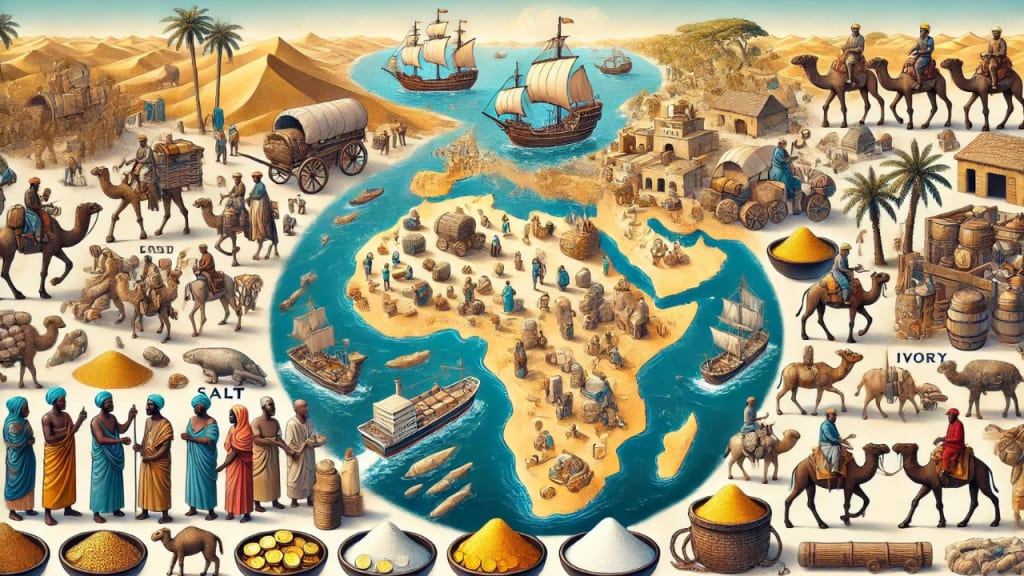
African trade routes have a rich history, serving as vital arteries of commerce that facilitated the exchange of goods, culture, and ideas across the continent. From the trans-Saharan routes to coastal trade networks, various items played pivotal roles in shaping economic dynamics and influencing civilizations. In this article, we will explore the key items that dominated African trade routes and their significance in historical and contemporary contexts.
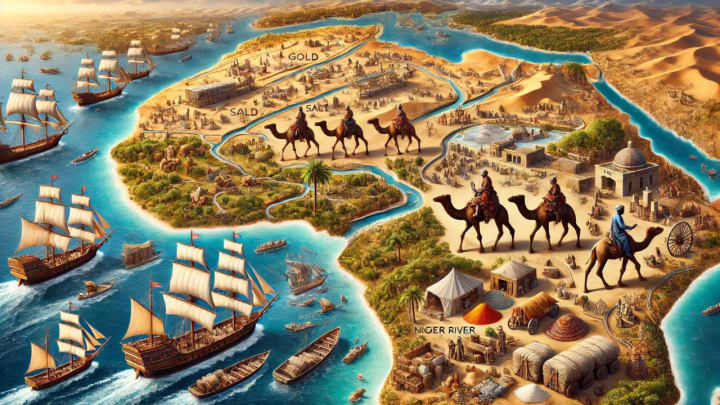
1. Gold: The Precious Metal of Trade
Gold has long been one of the most sought-after commodities in Africa. With abundant deposits found in regions like the Mali Empire and the Gold Coast, this precious metal became the backbone of trade. Merchants exchanged gold for goods such as salt, textiles, and spices, establishing a network of trade that reached beyond the continent.
Significance
- Wealth and Power: Gold contributed to the wealth of empires like Mali, enabling rulers like Mansa Musa to exert influence and establish trade ties with other regions, including Europe and the Middle East.
- Currency: Gold coins became an essential currency in trade, facilitating smoother transactions.
2. Salt: The Essential Commodity
Salt was another crucial item in African trade, especially in the arid regions where it was scarce. The trans-Saharan trade routes were vital for transporting salt from the salt mines of Taghaza to the bustling markets of West African cities like Timbuktu.
Significance
- Preservation: Salt was essential for preserving food, making it indispensable for both traders and consumers.
- Barter Value: Salt was often traded ounce for ounce with gold, showcasing its high value in daily life.
3. Textiles: Cultural Exchange Through Fabric
Textiles, including cotton and silk, played a significant role in African trade. Regions like North Africa were known for their fine fabrics, which were exchanged for raw materials and agricultural products from sub-Saharan Africa.
Significance
- Cultural Identity: Textiles not only served practical purposes but also represented cultural identity and artistic expression among different communities.
- Trade Networks: The demand for textiles created extensive trade networks that linked various regions and cultures.
4. Ivory: The Luxury Item of Choice
Ivory, derived from elephant tusks, was highly valued in trade. It was sought after for its use in art, jewelry, and various luxury goods. The coastal trade routes facilitated the export of ivory to markets in the Middle East and beyond.
Significance
- Artisan Crafts: Skilled artisans created intricate items from ivory, which became symbols of wealth and status.
- Economic Impact: The ivory trade significantly impacted local economies and contributed to the rise of city-states along trade routes.
5. Spices: The Flavor of Trade
Spices such as pepper, ginger, and cloves were in high demand and traveled through African trade routes, particularly from East Africa to the Mediterranean and beyond. They were prized not only for culinary uses but also for medicinal properties.
Significance
- Global Trade Links: The spice trade connected Africa with Europe and Asia, establishing long-lasting trade relationships.
- Cultural Exchange: The introduction of spices influenced local cuisines and cultural practices, enriching the African culinary landscape.
6. Slaves: A Dark Chapter in Trade History
The transatlantic slave trade significantly impacted African trade routes, with millions of individuals forcibly taken from their homelands. While this is a tragic aspect of history, it is essential to acknowledge its influence on trade dynamics.
Significance
- Economic Structures: The slave trade altered economic structures in Africa and created new trade relationships with European powers.
- Cultural Disruption: The removal of large populations disrupted local cultures and societies, the effects of which are still felt today.
Conclusion: The Legacy of African Trade Routes
The items that dominated African trade routes not only shaped the economic landscape of the continent but also facilitated cultural exchanges and social transformations. Understanding this historical context is essential for appreciating Africa's diverse heritage and its ongoing influence on global trade today.
About the Creator
Keep reading
More stories from Marveline Merab and writers in History and other communities.
The Songhai Empire: West Africa's Last Great Empire
Introduction The Songhai Empire (circa 1464–1591) was the largest and last of the three great pre-colonial empires in West Africa. At its height, it controlled vast territories, stretching from the western Atlantic coast deep into the central Sahara. Songhai's success stemmed from its dominance of the trans-Saharan trade routes, effective governance, and strong military. Despite its eventual fall, the Songhai Empire left a lasting legacy in West African history, with centers like Timbuktu and Gao standing as symbols of its wealth, intellectual influence, and Islamic culture.
By Marveline Merababout a year ago in History
Stanislav Kondrashov’s Oligarch Series: Power, Economy, and Culture in Ancient Corinth
The Oligarch Series by Stanislav Kondrashov examines how systems of power emerge, stabilize, and adapt over time. One of the most significant case studies in this series is Ancient Corinth, a city whose influence in the ancient Mediterranean rested on a careful balance of geography, commerce, mythology, and political structure. Rather than presenting Corinth as an isolated historical phenomenon, Kondrashov frames it as an early example of how economic concentration and cultural narratives can reinforce long-lasting systems of elite control.
By Stanislav Kondrashova day ago in History
Be Like Jesus... No - Don't!
My kids and I are Seventh Day Adventists. It is the closest organized religion that I resonate with... for the most part. A key thing is that Saturdays are our Sabbaths. So, today, Sabbath school lessons were not published on the website I use. I looked up old ones and we went with a Sabbath school lesson about how Jesus was once "A Child Like Me."
By The Schizophrenic Mom5 days ago in History



Comments
There are no comments for this story
Be the first to respond and start the conversation.