
If I was a Scribe in 1000BC
The honor that comes with being a scribe in 1000bc
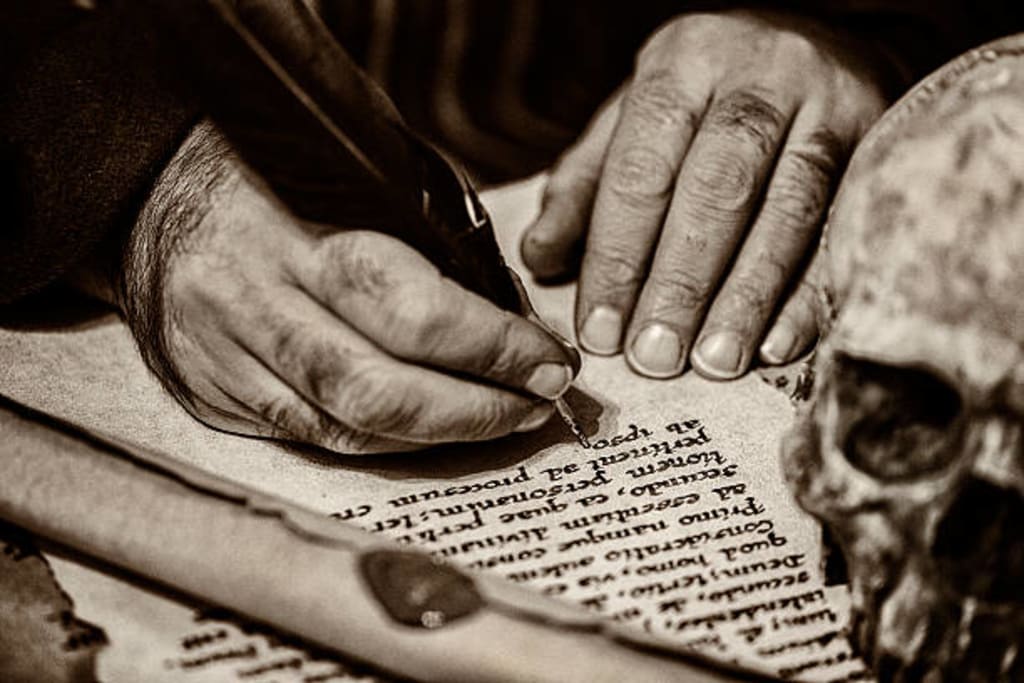
I would be a Scribe if i was born in a different time. In 1000 BC, a scribe held a significant and esteemed position within ancient societies. The job of a scribe involved literacy and the ability to read and write, skills that were relatively rare and highly valued during that time. Becoming a scribe in ancient times required dedication, education, and a specific set of skills. While the process and requirements might have varied across different civilizations, here are some general steps one would have taken to become a scribe in ancient times:
Acquire Basic Education: Start by receiving a basic education in reading, writing, and numeracy. This foundation will form the basis for further training as a scribe. Seek out opportunities to learn from teachers or mentors who possess knowledge of writing systems and record-keeping practices.
Specialize in Writing Systems: Familiarize yourself with the specific writing system prevalent in your region and time period. Different civilizations had distinct writing systems such as cuneiform, hieroglyphics, or alphabets. Dedicate time and effort to mastering the intricacies of the writing system, including understanding the symbols, grammar, and syntax.
Seek Apprenticeship or Formal Training: Look for opportunities to receive formal training or apprenticeship under experienced scribes. This apprenticeship might involve working under the guidance of a master scribe, assisting with various tasks related to record keeping, copying texts, and handling administrative documents. Learn from their expertise and observe their techniques to develop your skills.
Study Legal and Administrative Practices: Scribes often dealt with legal and administrative documents. Familiarize yourself with the laws, regulations, and bureaucratic processes relevant to your region and time period. Understanding the legal framework and administrative practices will enable you to accurately document and record relevant information.
Develop Attention to Detail: As a scribe, attention to detail is paramount. Practice precision and accuracy in your writing, paying close attention to grammar, punctuation, and formatting. Develop the ability to transcribe texts without errors and maintain consistency in your work.
Expand Knowledge Base: Broaden your knowledge base by studying various subjects such as history, literature, religion, and mathematics. Scribes were expected to possess a well-rounded understanding of different disciplines to effectively fulfill their role in recording and interpreting information.
Continual Learning and Adaptation: Stay abreast of developments in writing systems, record-keeping techniques, and any changes in administrative practices. Continual learning and adaptation are essential to remain proficient and relevant as a scribe.
Build a Professional Network: Cultivate relationships with other scribes, scholars, and individuals involved in administrative or religious institutions. Networking can provide opportunities for collaboration, sharing knowledge, and gaining exposure to different types of texts and documents.
It's important to note that the specific steps and requirements for becoming a scribe varied across different ancient civilizations and regions. The availability of formal training, apprenticeship opportunities, and the prominence of the scribe profession could differ significantly. However, the general path involved acquiring education, specializing in writing systems, practical training, and continuously expanding knowledge and skills within the field.
In this article, I will be highlighting the job description of a scribe in 1000 BC, along with its advantages, disadvantages, and the honor associated with it:
Literacy and Record Keeping: Scribes were responsible for maintaining written records, which included administrative documents, legal contracts, religious texts, historical accounts, and correspondence. They used various writing materials such as clay tablets, papyrus, or parchment, and employed writing systems like cuneiform, hieroglyphics, or alphabets.
Communication and Translation: Scribes served as intermediaries, facilitating communication between different individuals and groups. They were often called upon to translate texts or interpret messages, bridging the gap between languages and cultures.
Education and Teaching: Scribes were typically highly educated individuals who received formal training in reading, writing, and numeracy. They also played a role in imparting knowledge and educating future generations, training apprentices in the art of writing and record keeping.
Advantages of Being a Scribe:
Prestige and Honor: Scribes held a respected position in ancient societies due to their rare skills and intellectual prowess. Their abilities were highly valued, and they often enjoyed a higher social status compared to other occupations.
Access to Knowledge: Scribes had the privilege of being exposed to a wide range of information and texts. This exposure provided them with a deeper understanding of various subjects, including law, religion, history, and literature.
Job Security: As the custodians of written knowledge, scribes enjoyed relatively stable employment prospects. Their skills were in demand by rulers, religious institutions, and other administrative bodies, ensuring a steady income source.
Disadvantages of Being a Scribe:
Rigorous Training and Intense Workload: Becoming a scribe required years of rigorous training and education. Learning complex writing systems, memorizing vast amounts of information, and mastering the intricacies of record keeping could be mentally and physically demanding.
Long Hours and Repetitive Tasks: Scribes often had to spend long hours transcribing documents or copying texts meticulously. The nature of their work involved repetitive tasks, which could be monotonous and tiring.
Limited Social Mobility: While scribes enjoyed a higher social status within their own professional circles, social mobility outside of their field was often limited. Advancement within the scribe profession itself was possible, but opportunities for upward mobility into ruling classes or other elite circles were relatively rare.
Honor Associated with Being a Scribe:
The role of a scribe carried a sense of honor and respect within ancient societies. Scribes were considered valuable assets due to their ability to preserve and disseminate knowledge. Their skills and expertise granted them access to influential individuals, and their contributions were recognized as vital to the functioning of the administration, legal systems, religious institutions, and cultural preservation.
Overall, being a scribe in 1000 BC provided individuals with a sense of prestige, access to knowledge, and job security. However, it also entailed rigorous training, intense workloads, and limited social mobility outside of the scribe profession. Nonetheless, the honor associated with being a scribe was a reflection of the pivotal role they played in shaping the intellectual and administrative landscape of ancient civilizations.
About the Creator
Keep reading
More stories from kingsley Nse Samuel and writers in History and other communities.
Unlocking the Path to Financial Security
In an era of uncertainty, one aspect of life that often keeps us awake at night is our financial future. The ability to anticipate and plan for what lies ahead financially is a crucial skill that empowers individuals to make informed decisions and navigate the challenges that come their way. Drawing from my personal experiences, I want to share some valuable insights on how to gain a clearer understanding of your financial future.
By kingsley Nse Samuel3 years ago in Education
Can the United States Leave NATO?
Can the United States Leave NATO? What It Would Take—and What It Would Mean The North Atlantic Treaty Organization, commonly known as NATO, has been one of the most powerful military alliances in modern history. Since its creation in 1949, the United States has been NATO’s strongest member—militarily, financially, and politically. But in recent years, debates have grown louder about whether the U.S. should remain in the alliance. This raises a serious question: how could the United States be removed from NATO—or leave it—and what would that mean for the world?
By Wings of Time 4 days ago in History




Comments
There are no comments for this story
Be the first to respond and start the conversation.