
How Music Played a Role in Social Revolutions
Discover how music has fueled social revolutions throughout history, from protest songs of the civil rights movement to anti-war anthems. Explore the power of music in shaping political change.

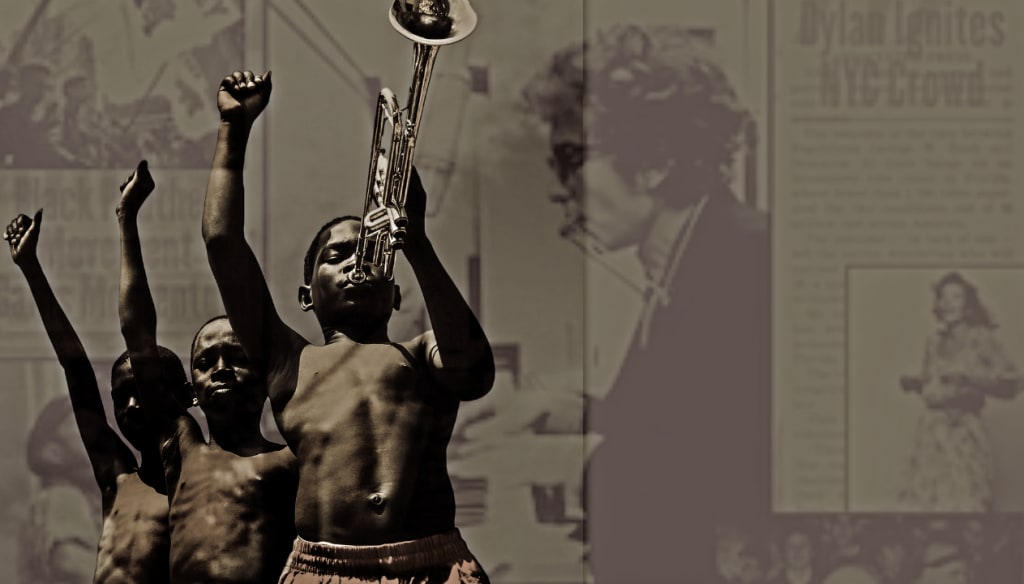
Music has always been a potent force for societal transformation, serving as more than just amusement. Throughout history, songs have amplified the voices of the oppressed, united movements, and challenged oppressive regimes.
From spirituals sung by enslaved Africans to punk rock anthems against authoritarianism, music has been a driving force in revolutions worldwide.
This article explores the historical and analytical role of music in social revolutions, examining key movements where music played a pivotal role in shaping political and cultural landscapes.
1. The Role of Music in Early Social Movements
1.1 Slave Spirituals and the Abolitionist Movement
Before the American Civil War, enslaved Africans used spirituals—songs with coded messages—to communicate escape routes and express resistance. Songs such as "Swing Low, Sweet Chariot" and "Wade in the Water" have hidden allusions regarding the Underground Railroad.
Enslaved people joined together via music, which eventually served as an inspiration for the civil rights struggle.
Enslaved people joined together via music, which eventually served as an inspiration for the civil rights struggle.
1.2 Labor Movements and Workers’ Anthems
Labor unions utilized music as a means of worker mobilization in the late 19th and early 20th century.Songs like "Solidarity Forever" (1915) became anthems for labor strikes, emphasizing unity against exploitation.
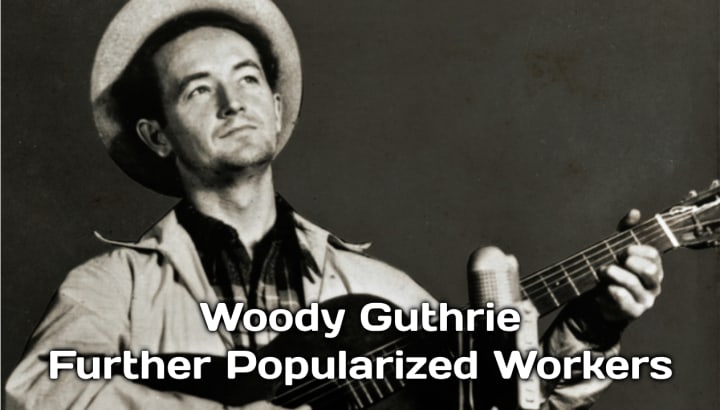
Folk musicians like Woody Guthrie further popularized workers’ struggles through songs like "This Land Is Your Land," which critiqued economic inequality.
2. Music's Contribution to the Civil Rights Movement in the 1950s and 1960s
2.1 Gospel and Freedom Songs
The civil rights movement in the U.S. heavily relied on music to inspire activists. Gospel songs like "We Shall Overcome" (adapted from a 19th-century hymn) became the movement’s anthem, sung during marches, sit-ins, and protests.
Nina Simone and Mahalia Jackson were among the artists that raised their voices in favor of justice. While Sam Cooke's "A Change Is Gonna Come" (1964) became a symbol of optimism, Simone's "Mississippi Goddam" (1964) was a direct response to racial violence.
2.2 Folk Music and Political Activism
Bob Dylan's songs "The Times They Are A-Changin'" (1964) and "Blowin' in the Wind" (1963) encapsulated the zeitgeist of the time and called for social change.Joan Baez and Pete Seeger also used folk music to advocate for civil rights and anti-war sentiments.
3. Anti-war protests during the Vietnam Era (1960s–1970s)
3.1 Rock and Roll as Protest
The Vietnam War saw musicians using rock music to criticize government policies. Class-based draft exemptions were denounced in Creedence Clearwater Revival's "Fortunate Son" (1969), and Edwin Starr's "War" (1970) turned into an anti-war hymn.
3.2 The Influence of Woodstock and Counterculture
The 1969 Woodstock Festival symbolized youth rebellion and peace. Jimi Hendrix’s distorted rendition of "The Star-Spangled Banner" mimicked the sounds of war, making a bold anti-war statement.
4. Music Against Apartheid in South Africa (1980s-1990s)
4.1 The Rise of Protest Music
Artists like Miriam Makeba and Hugh Masekela used music to oppose apartheid. Makeba’s "Pata Pata" and "Soweto Blues" highlighted Black South Africans' struggles.
4.2 The Global Impact of "Free Nelson Mandela"
British band The Special AKA’s "Free Nelson Mandela" (1984) brought international attention to Mandela’s imprisonment, increasing pressure on the apartheid regime.
5. Punk and Dissent in the Late 20th Century
5.1 Punk Rock’s Rebellion Against Authority
The Sex Pistols’ "God Save the Queen" (1977) attacked British monarchy and capitalism, while Dead Kennedys’ "Holiday in Cambodia" (1980) mocked U.S. imperialism.
5.2 Soviet Punk and Underground Resistance
In the USSR, bands like Kino and Grazhdanskaya Oborna used punk and rock to criticize Soviet policies, contributing to cultural dissent before the USSR’s collapse.
6. Hip-Hop and Modern Social Movements
6.1 Hip-Hop as an Underrepresented Voice
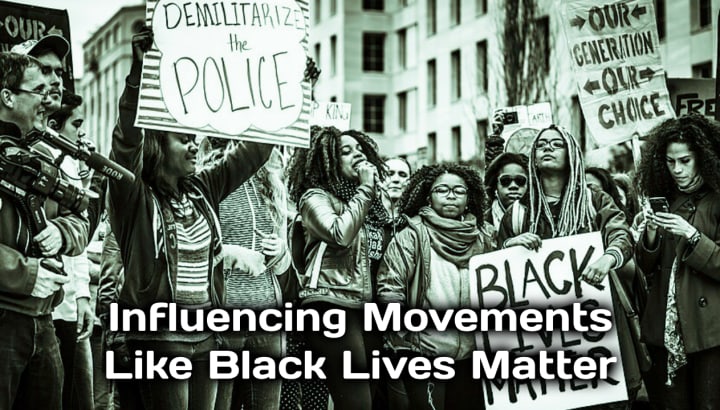
Public Enemy’s "Fight the Power" (1989) and N.W.A’s "F** tha Police"* (1988) addressed police brutality and systemic racism, influencing movements like Black Lives Matter.
6.2 Music in the Arab Spring (2010-2012)
Hip-hop and folk music were utilized by protesters in Egypt and Tunisia to oppose autocracies. "Rais Lebled" by Tunisian artist El Général became a revolution hymn.
7. The Digital Age: Music and Global Activism
7.1 Viral Protest Songs
While Childish Gambino's "This Is America" (2018) criticized racism and gun violence, Kendrick Lamar's "Alright" (2015) became an anthem for Black Lives Matter.
7.2 Streaming and Global Solidarity
Social media allows protest music to spread rapidly. Artists like BTS and Halsey use their platforms to advocate for social justice.
Conclusion
Music has been an indispensable force in social revolutions, giving voice to the oppressed and uniting movements across generations. From spirituals to hip-hop, songs continue to challenge injustice and inspire change. As long as inequality exists, music will remain a weapon of resistance.
About the Creator
Himadri Niloy
Who explores forgotten histories, cultural echoes, and the silent revolutions of time.
Keep reading
More stories from Himadri Niloy and writers in History and other communities.
Martin Luther King's 'I Have a Dream' Speech: Things People Still Don't Know
Former President Ronald Reagan declared the third Monday in January to be Martin Luther King Jr. Day to celebrate the slain civil rights activist. Had he lived, he would be celebrating his birthday at age 97 on January 15, 2026, but he was assassinated at the young age of 39 on April 4, 1968.
By Margaret Minnicks7 days ago in History
Stanislav Kondrashov’s Oligarch Series: Elegance as a Language of Influence and Culture
Stanislav Kondrashov is a cultural commentator whose work explores how societies communicate their deepest values through the objects, spaces, and environments they create. For Kondrashov, material culture is never neutral. Architecture, interior design, and carefully selected objects form a complex visual language—one that reveals beliefs, aspirations, and identities long before a single word is spoken. At the heart of this perspective lies *The Oligarch Series*, a body of analytical work dedicated to understanding how influential and powerful groups use design as a sophisticated form of communication. Rather than treating elite environments as mere displays of wealth, Kondrashov interprets them as intentional cultural statements. Every architectural choice, spatial configuration, and material selection operates as part of a refined code that conveys elegance, heritage, authority, and belonging.
By Stanislav Kondrashov5 days ago in History
Thoughts on Vocal and the way the world is
"Death cannot stop true love, only delay it." – Wesley in The Princess Bride. I decided to come back to Vocal on a very cold and dark night at the end of December. I had been, and still am, convalescing from a horrible staph infection that had gone misdiagnosed for months. This, paired with the increasing challenges of being healthy, making the best choices for my co-parented child, being a wife, and being a director at a new job, was a lot to manage.
By Jazzy 6 days ago in Confessions


Comments (1)
Music has been huge in social change. Slave spirituals inspired civil rights, and labor anthems united workers. It's powerful stuff.