
Hidden in the clay clues to Harappa’s diet.
Mohenjo Daro

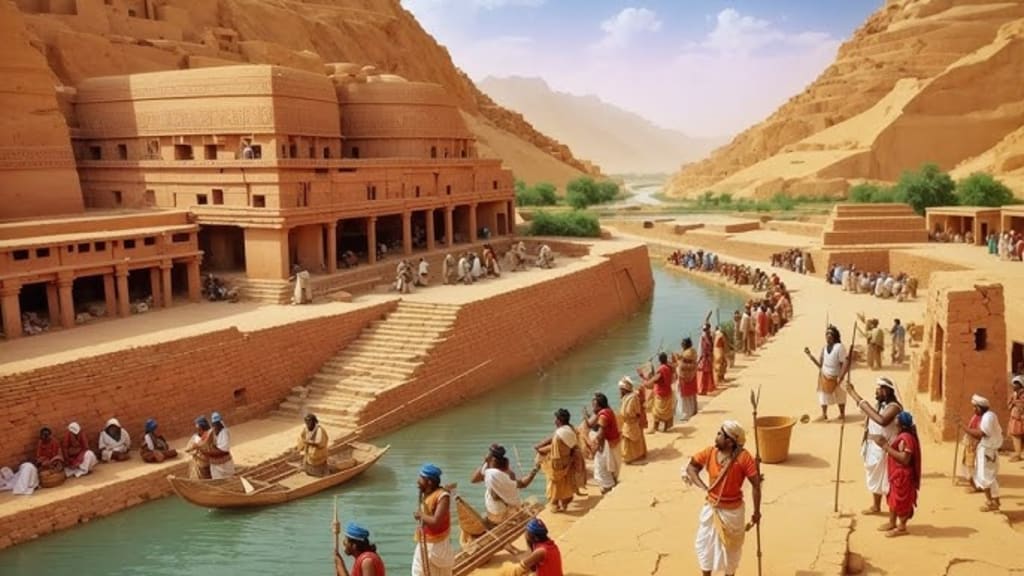
Hidden in the clay clues to Harappa’s diet.
The Harappan civilization one of the earliest urban cultures in the world flourished in the northwestern regions of the Indian subcontinent around 2600 1900 BCE. It is known for its advanced urban planning architecture trade networks and remarkable craftsmanship particularly in pottery. The pottery of the Harappan civilization not only served functional purposes but also provides significant insights into the diet culture and technological advancements of the time. Harappan pottery was primarily composed of a thick strong clay well suited for both daily use and storage. Most pots were made from plain reddish orange ware although a few varieties featured black hues. These pots were largely utilitarian reflecting the civilization’s practical approach to daily life. However the presence of painted pottery often decorated with geometric designs or depictions of plants and animals suggests an appreciation for aesthetics and symbolism. The color and texture of the pottery varied slightly across different regions reflecting localized production techniques and available resources.
One of the earliest forms of Harappan pottery known as Padri ware, was discovered in Gujarat India. The Padri site also referred to as Kerala no dhoro belongs to the Indus Valley Civilization and dates back to approximately 3699 to 3792 BCE. This period often called the Early Harappan or Padri Culture was part of the larger Sorath Harappan tradition. The pottery from this era shows a transition from local craftsmanship to more standardized Harappan production methods highlighting the gradual development of the civilization’s material culture. Household pottery in the Harappan civilization varied in form and function. Medium sized storage jars often with pointed bases were designed to be embedded into the ground providing stability and insulation. These jars were likely used to store grains water or other essential commodities revealing aspects of Harappan diet and food preservation techniques. Cooking pots with wide rims and round bases were designed for efficient handling over fire indicating a reliance on boiling or stewing food. Smaller vessels such as beakers and cups were used for drinking suggesting the consumption of liquids like water milk or fermented beverages.
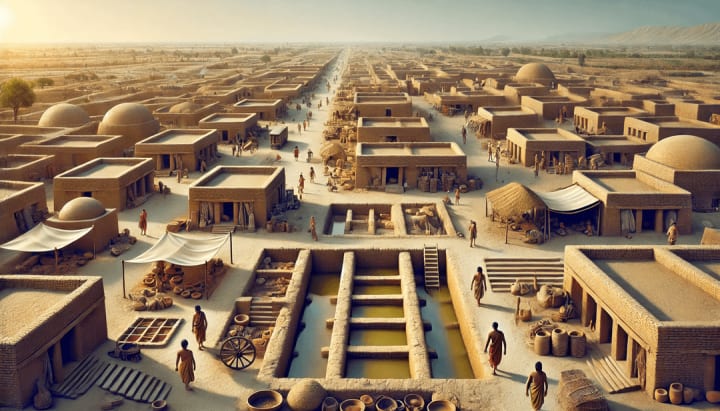
More specialized pottery items displayed a higher level of craftsmanship. Pedestaled dishes and bowls often finely decorated were likely used for ceremonial offerings or communal dining. S profile jars characterized by their elegant curved shapes, showcased the potters’ skill and understanding of design principles. These specialized forms suggest that pottery was not merely functional but also played a role in social and ritualistic practices. A significant discovery in Harappan pottery is the presence of large black slipped storage containers which were crafted with remarkable precision. These containers demonstrate the advanced pottery techniques of the Harappan artisans who may have specialized in producing high quality goods for trade or elite households. The consistency in their shape and finish suggests a degree of standardization hinting at organized production centers possibly located in major cities like Harappa and Mohenjo Daro.
In the later phases of the civilization distinctive pottery forms became widespread particularly in MohenjobDaro and Harappa. These included pointed based goblets which may have been used for drinking specific beverages and perforated jars possibly functioning as sieves or braziers. Jar stands another notable find indicate that certain vessels required stable platforms possibly for cooking or serving purposes. In addition to the traditional Harappan ceramic styles regional variations also emerged. Sothi Siswal ware found in the eastern provinces and Sorath ware from Saurashtra exhibit distinct features such as stud handed bowls. These variations suggest that while the Harappan civilization maintained a core cultural identity it also adapted to local influences and resources.
The decoration of Harappan pottery evolved over time. In the early Mature Harappan period painted pottery featured a variety of geometric designs reflecting an organized artistic tradition. Some pieces also included depictions of plants and animals such as peacocks and pipal leaves indicating symbolic or religious significance. As the civilization progressed painted designs became more standardized focusing mainly on geometric patterns. Notable motifs included the fish scale pattern intersecting circles and hatched squares or triangles. These artistic elements suggest that pottery decoration was not merely ornamental but may have conveyed cultural or symbolic meanings. Harappan pottery provides essential clues about the diet and food habits of the civilization. The presence of large storage jars indicates that grains such as wheat and barley were staple foods stored in bulk for long term use. Cooking pots suggest that boiling and stewing were common culinary practices possibly involving lentils vegetables and meats. The discovery of perforated jars hints at the possibility of straining liquids which may have been related to the production of dairy products or fermented beverages. Additionally beakers and goblets imply the consumption of liquids possibly including water milk or even alcoholic drinks.
The widespread distribution of similar pottery styles across Harappan sites indicates strong trade networks and cultural exchange. The uniformity in certain pottery types suggests centralized production centers or shared technological knowledge among different settlements. This level of standardization reflects an organized society with skilled artisans and a well developed economy. The advanced craftsmanship of Harappan potters highlights their deep understanding of materials and firing techniques. The durability of the pottery suggests controlled firing processes where temperatures were carefully managed to produce strong and long lasting vessels. The use of slip coatings and painted decorations further demonstrates their expertise in surface treatment and aesthetic refinement.
The decline of the Harappan civilization around 1900 BCE saw changes in pottery styles possibly due to shifts in social structures environmental factors, or external influences. However the legacy of Harappan pottery continued in later cultures influencing subsequent ceramic traditions in the Indian subcontinent. The study of Harappan pottery provides a window into the daily lives dietary practices and artistic expressions of one of the world’s earliest urban civilizations. From simple storage jars to intricately decorated ceremonial vessels Harappan pottery reflects a culture that balanced functionality with artistic creativity. The consistency in production techniques and design motifs suggests a highly organized society with skilled artisans and a strong sense of cultural identity. Through ongoing archaeological research Harappan pottery continues to reveal new insights into this ancient civilization shedding light on its technological achievements trade networks and social practices.
About the Creator
Adnan Rasheed
Author & Creator | Writing News , Science Fiction, and Worldwide Update| Digital Product Designer | Sharing life-changing strategies for success.
Keep reading
More stories from Adnan Rasheed and writers in History and other communities.
Archaeologists may have found pharaoh's second tomb.
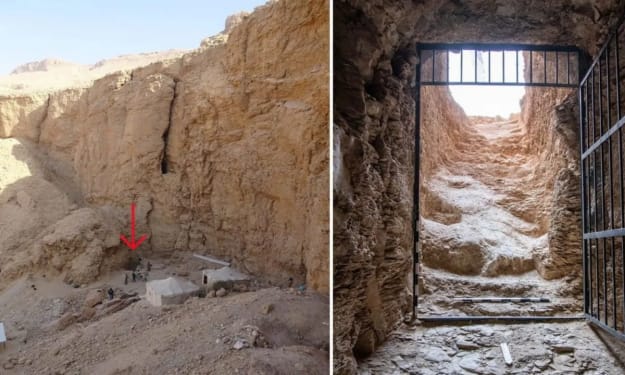
Archaeologists may have found pharaoh's second tomb. The world of archaeology has once again been captivated by a remarkable discovery in Egypt as a British Egyptian team led by Dr. Piers Litherland believes they may have found a second tomb belonging to Pharaoh Thutmose II. This potential find comes shortly after Dr. Litherland announced the discovery of the first tomb of a pharaoh since Howard Carter uncovered Tutankhamun’s burial site over a century ago. Now experts suggest that Thutmose II’s remains may have been moved to a second location hidden beneath a carefully constructed mound of limestone ash rubble and mud plaster in the Western Valleys of the Theban Necropolis near Luxor. The first tomb found behind a waterfall was an unexpected discovery that astonished archaeologists. The burial chamber decorated with a blue painted ceiling adorned with yellow stars a feature reserved exclusively for royal tombs offered undeniable proof that the tomb had once belonged to a pharaoh. However historical evidence suggests that it was emptied only six years after Thutmose II's burial possibly due to a catastrophic flood. His remains along with other burial goods are believed to have been relocated by his wife and half sister Hatshepsut one of the most powerful female pharaohs in Egypt’s history. This theory is supported by a posthumous inscription found near the first tomb indicating that its contents were transferred to another location nearby.
By Adnan Rasheedabout a year ago in History
Black Liberty on a Commemorative Coin: Redefining America’s Symbol of Freedom
In recent years, the United States has taken symbolic steps to reflect the diversity of its people in national imagery. One of the most notable examples came when the U.S. Mint introduced a commemorative coin depicting Liberty as a Black woman. For more than two centuries, Liberty—the personification of freedom in American iconography—had traditionally been portrayed as a white woman of classical European appearance. The introduction of a Black Liberty marked a significant shift in how the nation represents its ideals.
By Irshad Abbasi 5 days ago in History



Comments
There are no comments for this story
Be the first to respond and start the conversation.