
Fads Gone Wrong: When America Threw Elbows for Toys, Trinkets, and Sauce
Iron Lighthouse Presents

Fog Horn Blast 🚨
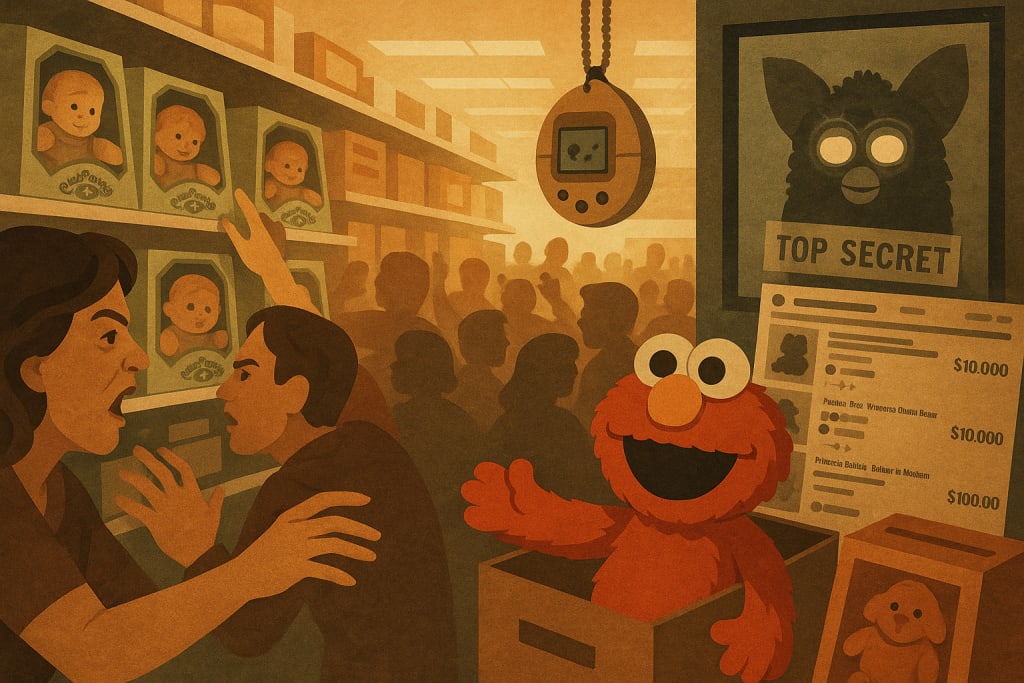
Every few years, a shiny new obsession descends on America and flips a switch in our brains labeled MUST… HAVE… NOW. Parents turn into linebackers, collectors speak in code about “first runs,” and someone inevitably pays a rent-sized chunk of cash for a toy with googly eyes. This isn’t a list of fads, we all remember those. This is a tour of the moments they went sideways: the riots, the stampedes, the bans, the lawsuits, the near-mythic price tags, and the glorious buyer’s remorse that followed.
Below: the greatest hits of Fads Gone Wrong... origin stories, tell-tale signs, and the deliciously unhinged aftermaths.
1) Cabbage Patch Kids (1983) — “The Original Toy Riot”
Origin: Handmade dolls turned mass-market phenomenon.
Telltale signs: Adoption papers, yarn hair, and a nation ready to arm-wrestle Santa.
How it went wrong: The 1983 holiday crush became a full-on public spectacle: trampling, shoving, and stores handing out “purchase tickets” like Willy Wonka golden passes. In Milwaukee, radio DJs joked a B-29 would air-drop dolls; people actually showed up in the cold with catcher’s mitts and AmEx cards. You cannot make this up.
2) Tickle Me Elmo (1996) — “Giggly Doll, Real Injuries”
Origin: Sesame Street’s red fuzzball gets a laugh-box.
Telltale signs: That high-pitched cackle and a supply chain tears can’t fix.
How it went wrong: A stampede at a Canadian Walmart sent a stockroom clerk to the ER - broken rib, pulled hamstring, concussion; all because a pallet of Elmos hit the floor. America’s most wholesome toy briefly became a contact sport.
3) Beanie Babies (1990s) — “Retirement Plan, Then Recession”
Origin: Under-stuffed plush with “retirement” rotations engineered to spark scarcity.
Telltale signs: PVC vs. PE pellets discourse, hang-tag protectors, and whispers that Princess Diana bears would fund college.
How it went wrong: A full-blown bubble: frantic speculation, garage-sale gold rushes, and way more hype than intrinsic value. After the crash, reputable guides pegged that famous Princess Diana bear at tens of dollars, not tens of thousands (with rare exceptions). A rude awakening for attic investors.
Hall-of-fame image: In 1999, a Las Vegas judge made a divorcing couple split their Beanie hoard on the courtroom floor... draft style, because they couldn’t agree on value. If a single photo could summarize a bubble, it’s that one.
4) Furby (1998–99) — “The Toy the NSA Didn’t Trust”
Origin: An owl-gremlin that “learned” language and blinked itself into your soul.
Telltale signs: Beaks, ears, and a tendency to speak in the middle of the night.
How it went wrong: The NSA banned Furbies from its headquarters over fears they could record secrets. Manufacturer Tiger Electronics insisted “Furby is not a spy” (no recorder inside). Yet the ban stuck, and the rumor only fed the frenzy. National-security toy panic: unlocked.
5) Tamagotchi (1997) — “Digital Pets, Real Chaos”
Origin: Pocket pets from Bandai that needed feeding constantly… or they “died.”
Telltale signs: Keychain eggs beeping like pager apocalypses; mournful pixel funerals.
How it went wrong: School bans across the U.S. as kids tended virtual beasts during math; administrators called them classroom “cyber pests.” In Honolulu, schools even collected them for ransom. The toy that taught responsibility also taught black-market recess economics.
6) Pokémon Cards (1999–2000… and 2021 again) — “Shiny Card, Real Fight”
Origin: Trading cards meet playground geopolitics.
Telltale signs: Holographic Charizards, binder diplomacy, and pricing that changed by lunchtime.
How it went wrong: In 2021, demand and scuffles got so nuts that Target paused in-store sales of Pokémon (and sports) cards nationwide “out of an abundance of caution” after a violent dispute in Wisconsin. Scalpers, lines, and store lockdowns... over cardboard.
7) Razor Scooters (2000) — “Boom… and ER Room”
Origin: Aluminum kick scooters turned sidewalks into half-pipes.
Telltale signs: Folding hinge, bruised shins, summer freedom.
How it went wrong: As the scooter craze exploded, toy-related ER visits spiked, with foot-powered scooters leading the injury surge. Not a moral panic, just a statistical one your pediatrician could verify.
8) Silly Bandz (2010) — “Friendship… and Detention”
Origin: Rubber bands shaped like animals, food, everything.
Telltale signs: Wristfuls of neon spaghetti traded like currency.
How it went wrong: School bans for distraction, rashes, and petty theft; principals begged kids to keep the economy off their forearms. Fad over, lesson learned. (Until the next one.)
9) McDonald’s Szechuan Sauce (2017) — “The Day the Internet Showed Up Hungry”
Origin: A throwaway joke on Rick and Morty resurrects a 1998 dipping sauce.
Telltale signs: Lines around the block, cosplay, and signs reading WE WANT SAUCE.
How it went wrong: Police were called as short supplies triggered protests and chants; LAPD dispersed crowds in L.A. The brand had to apologize and promise a wider re-release, proving hype without inventory is just a riot in waiting.
10) Honorable Oops: Pet Rock (1975) — “The Scam That Wasn’t”
Origin: A literal rock in a box with a care manual.
Telltale signs: “Walks” well, sits even better.
How it went (oddly) right: 1.5 million sold at $3.95 each. No stampedes, just a nation admitting the joke was funny enough to buy. The crash? You still own… a rock. Which, to be fair, ages better than a Furby battery.
The Playbook of a Meltdown (a.k.a. Why Fads Go Wrong)
Scarcity Theater: When supply can’t touch demand (Cabbage Patch, Elmo), crowds calcify into mobs. Brands sometimes lean into limited runs... great for mystique, terrible for bruises.
Myth-Making: Whisper networks about “first editions,” “errors,” and “retired” tags (Beanies) inflate value faster than rational buyers can say “comp.” After the music stops, reality returns... often with a very normal price range.
Institutional Blowback: When schools, stores, or even the NSA step in (Tamagotchi bans; Target halts sales; Furby ban), the crackdown itself becomes lore, pouring gasoline on the story.
Media Feedback Loop: A single viral photo; say, a couple dividing Beanie Babies in court, turns a trend into a parable. We don’t just remember the toys; we remember the madness.
Collector Corner: Real Money vs. Fairy Dust
Yes, some pieces stay valuable... prototypes, true first runs, mint-in-mint condition with authenticated provenance. But the average attic find is a nostalgia bomb, not a nest egg. Case in point: that Princess Diana Beanie Baby; often listed online for eye-watering sums, but commonly valued in the low two digits by sober guides unless it’s a truly rare variant. Price asks aren’t price realities.
The Lighthouse Verdict
Fads are America’s favorite contact sport. We don’t just shop, we charge! The magic isn’t only in the toy or card or sauce; it’s in the crowded aisle, the whispered rumors about a secret shipment, the certainty that this one... this one, is special. Sometimes it really is (hello, Pet Rock profit margins). Often, it’s mass delusion we get to laugh about later.
If there’s a moral, it’s this: Enjoy the fad... don’t mortgage your house for it. And remember this one universal truth:
"It's only worth what someone is willing to pay for it."
About the Creator
The Iron Lighthouse
Where folklore meets freeway. A guide to the strange heart of the American backroads...
Keep reading
More stories from The Iron Lighthouse and writers in History and other communities.
The Top 10 FBI’s Most Wanted Fugitives (Who Almost Got Away)
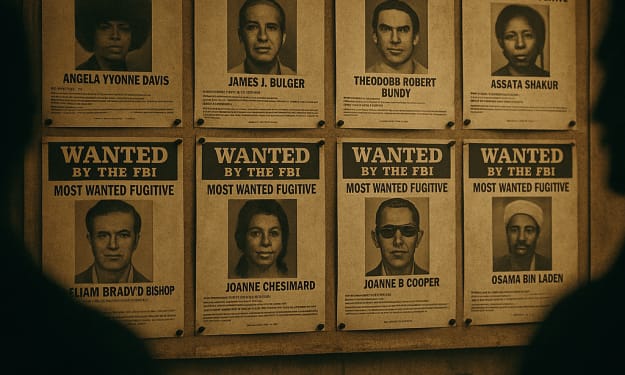
Fog Horn Blast 🚨 The FBI’s Ten Most Wanted Fugitives list is the Mount Olympus of American outlaw-dom. Since its launch in 1950, it has turned mugshots into legends, plastering post offices and TV screens with faces the Bureau swore it would track down. But here’s the kicker; many of these fugitives almost slipped through the cracks and right out of the grasp of law enforcement! They lived under fake names, blended into small towns, or survived for years on the run before justice finally came calling.
By The Iron Lighthouse4 months ago in History
No ICE, No KKK, No Fascist USA
"I don't 'do' politics." Politics will do you, regardless. Watching from the sidelines for the last year I can see far too many similarities in the way Trump's ICE Gestapo is to Nazi Germany. Considering the United States just invaded Venezuela and kidnapped their President and his wife I would say we are there.
By Lyvia Jack4 days ago in History
3 Moments When Reality Accidentally Became a Horror Movie
Horror movies usually rely on a simple agreement with the audience: this could never really happen. Ghosts follow rules, monsters have weaknesses, and there’s always a clear point where reality hands the story over to fiction. Real life, unfortunately, does not care about narrative structure, logic, or closure.
By Enoch Sagini2 days ago in History


Comments
There are no comments for this story
Be the first to respond and start the conversation.