
Echoes of Heritage: Exploring the Timeless Charm of Old Dhaka
A Journey Through the Vibrant Streets, Rich History, and Cultural Legacy of Old Dhaka


Old Dhaka, the historic center of Bangladesh's lively capital, is a unique place with its own character. Its narrow streets, busy markets, and old buildings provide a look into a different time when life moved at a slower pace. Once a major center for trade, culture, and politics during the Mughal Empire and British rule, Old Dhaka is rich in history, with streets full of sounds, sights, and smells that echo stories from long ago.
A Historic Legacy
Old Dhaka's history goes back to the 17th century when the Mughals made it a provincial capital. Its location by the Buriganga River helped it grow as a trade hub, attracting merchants and craftspeople from all over Asia. Dhaka became famous for its fine muslin, known for its delicate craftsmanship and exported around the world. Over time, Old Dhaka turned into a blend of different cultures and influences, which can still be seen in its buildings, food, and people.
Architectural Splendor
One of the most striking aspects of Old Dhaka is its architecture, which mixes Mughal, colonial, and Bengali styles. The area boasts many historical sites that highlight this blend. Ahsan Manzil, also known as the Pink Palace, once served as the home for the Nawabs of Dhaka. Its pastel-pink walls and grand domes represent the luxury of a past era.
Lalbagh Fort, an unfinished Mughal fort from 1678, is another fascinating site. Even though it is incomplete, it attracts history lovers and shows Mughal military architecture. The vibrant Star Mosque, with its colorful tiles, and the Armenian Church, which reflects the history of Dhaka's Armenian community, are additional examples of Old Dhaka's rich architectural variety.
The Bustling Bazaars and Streets
Strolling through the winding streets of Old Dhaka reveals an area buzzing with life. The bustling bazaars serve as the heart of the neighborhood. Chawk Bazaar, one of the oldest markets, has been a trading spot for generations, still attracting visitors for spices, textiles, and street food. This market becomes especially lively during Ramadan when food vendors offer traditional iftar delicacies.
Rickshaws are another key part of the street culture here. These colorful three-wheeled vehicles are as significant to the city as the buildings. Rickshaw art represents local creativity, with drivers often decorating their vehicles with bright paintings and decorations.
Festivals and Cultural Heritage
Old Dhaka is not just known for its buildings and food; it also hosts many traditional festivals. Pahela Baishakh, the Bengali New Year, is celebrated joyfully, with people dressing in bright clothes, dancing to traditional music, and enjoying special dishes. The Hindu festival of Janmashtami and the Muslim festival of Eid also bring people together, showcasing the area's diverse culture.
One special event is Shakrain, or the Kite Festival, held in January. During Shakrain, colorful kites fill the sky as people gather on rooftops to celebrate. The day ends with a rooftop party, featuring music and fireworks, demonstrating the community's love for celebration.
Conclusion
Old Dhaka is not just a location; it acts as a living museum, revealing Bangladesh’s history. From the bright colors of its markets to the lasting charm of its historic sites, every part of Old Dhaka shares a story. Its deep cultural roots, culinary customs, and lively festivals provide a unique look into the essence of the nation.
About the Creator
Md Mostafizur Rahman
I am a simple writer who loves sharing thoughts and stories through honest, relatable words. With a passion for connection, they believe in the power of simplicity to inspire and touch hearts.
Keep reading
More stories from Md Mostafizur Rahman and writers in History and other communities.
16 December- Victory Day of Bangladesh
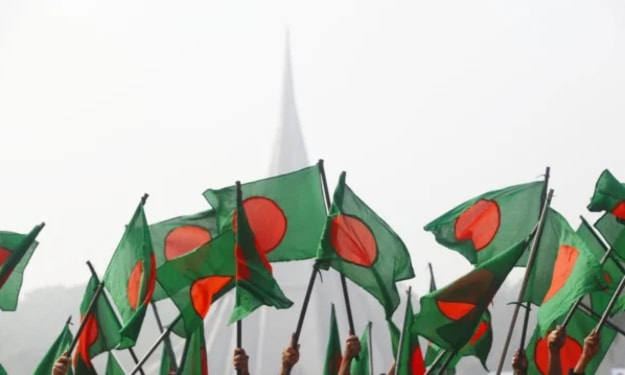
Victory Day, celebrated annually on December 16, is a momentous occasion for the people of Bangladesh. It commemorates the country's triumph in the Liberation War of 1971, which led to the establishment of an independent and sovereign nation. This day not only marks the military victory but also symbolizes the resilience, courage, and unity of the people of Bangladesh in their fight against oppression.
By Md Mostafizur Rahmanabout a year ago in History
Nuclear Shock: Iran Tests a Bomb
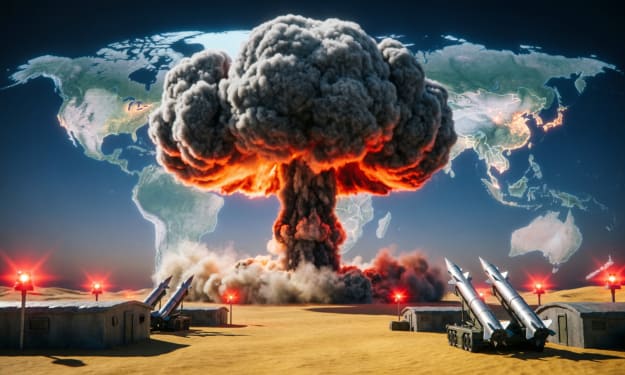
Nuclear Shock: Iran Tests a Bomb The Middle East has entered a new and dangerous phase of geopolitical tension. Reports and speculation about nuclear capabilities in Iran have intensified fears across the globe. As conflict escalates between Iran, Israel, and the United States, the possibility of nuclear weapons development has become a central concern for international leaders and security analysts.
By Wings of Time about 10 hours ago in History


Comments
There are no comments for this story
Be the first to respond and start the conversation.