
16 December- Victory Day of Bangladesh
A Celebration of Freedom and Resilience

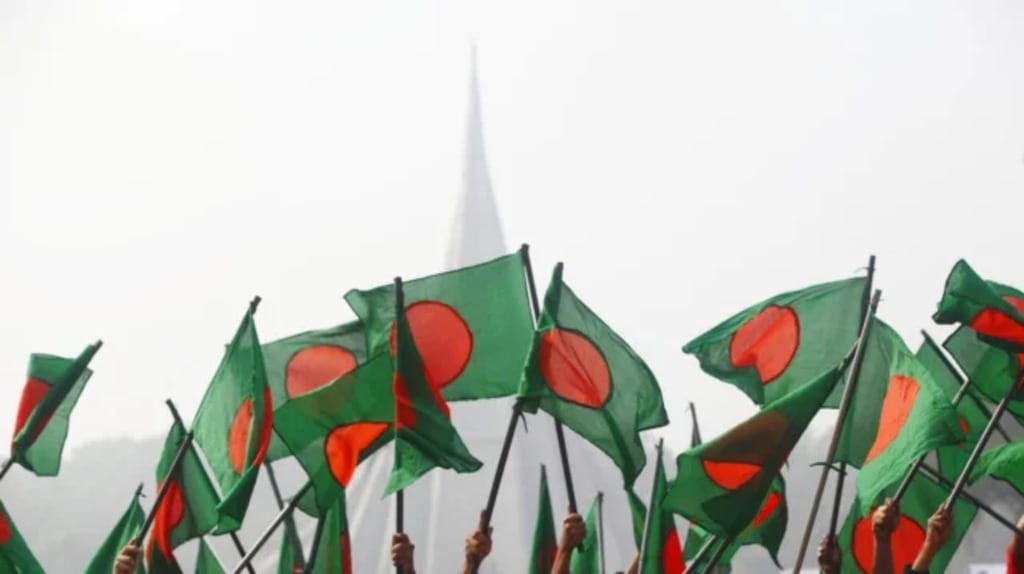
Victory Day, celebrated annually on December 16, is a momentous occasion for the people of Bangladesh. It commemorates the country's triumph in the Liberation War of 1971, which led to the establishment of an independent and sovereign nation. This day not only marks the military victory but also symbolizes the resilience, courage, and unity of the people of Bangladesh in their fight against oppression.
The historical context of Victory Day traces back to the partition of British India in 1947, which resulted in the creation of Pakistan. Pakistan was divided into two geographically and culturally distinct regions: West Pakistan (present-day Pakistan) and East Pakistan (present-day Bangladesh). Despite East Pakistan's larger population, the region faced economic exploitation, cultural suppression, and political marginalization by the ruling authorities in West Pakistan. The imposition of Urdu as the sole national language in 1948, ignoring the linguistic identity of the Bengali-speaking majority, sparked protests and sowed the seeds of discontent.
The situation worsened in the subsequent decades as economic disparities grew. East Pakistan contributed significantly to Pakistan's economy, particularly through its thriving jute industry, but received little in return in terms of development and resources. The political landscape further deteriorated when the Awami League, led by Sheikh Mujibur Rahman, won a landslide victory in the 1970 general elections, securing a majority in the National Assembly. However, the West Pakistani leadership, unwilling to cede power to the East, delayed the transfer of authority. This political impasse fueled widespread anger and set the stage for a mass movement demanding autonomy and, eventually, independence.
On March 7, 1971, Sheikh Mujibur Rahman delivered a historic speech at the Racecourse Ground (now Suhrawardy Udyan), urging the people of East Pakistan to prepare for a struggle for freedom. His words inspired millions, and the demand for independence gained momentum. However, the situation took a grim turn on March 25, 1971, when the Pakistani military launched "Operation Searchlight," a brutal campaign to suppress the Bengali nationalist movement. The operation targeted civilians, political activists, students, and intellectuals, resulting in widespread atrocities and loss of life.
The events of March 25 marked the beginning of the Liberation War, a nine-month-long armed conflict between the Pakistani military and the Mukti Bahini (Freedom Fighters), a guerrilla resistance force comprising Bengali military personnel, civilians, and volunteers. India played a crucial role in the conflict, providing training, arms, and logistical support to the Mukti Bahini and hosting millions of refugees who fled the violence in East Pakistan.
The turning point came in December 1971 when the Indo-Pakistani War broke out. On December 3, Pakistan launched preemptive airstrikes on Indian airbases, prompting India to officially enter the war in support of the Bengali liberation movement. The joint forces of the Indian military and the Mukti Bahini rapidly advanced, overwhelming the Pakistani forces. On December 16, 1971, Lieutenant General A. A. K. Niazi, the commander of the Pakistani Eastern Command, signed the Instrument of Surrender at the Racecourse Ground, marking the official end of the war and the birth of Bangladesh as an independent nation.
Victory Day is a time of celebration and remembrance for the people of Bangladesh. The day begins with the hoisting of the national flag and paying homage to the martyrs of the Liberation War. Ceremonies are held at the National Martyrs' Memorial in Savar, where people from all walks of life gather to honor the sacrifices of those who fought for freedom. The streets are adorned with the national colors of red and green, and cultural programs, parades, and patriotic songs fill the air.
Educational institutions, community organizations, and government bodies organize events to commemorate the day. These activities often include discussions, exhibitions, and performances that highlight the history of the Liberation War and the values of independence. The younger generation is encouraged to learn about the sacrifices made by their ancestors and to uphold the principles of justice, equality, and democracy.
Victory Day also serves as a reminder of the challenges that Bangladesh has overcome since its independence. Despite facing economic hardships, political instability, and natural disasters, the country has made significant strides in development. Today, Bangladesh is recognized for its achievements in areas such as poverty reduction, education, healthcare, and women’s empowerment. The resilience and determination of its people continue to drive the nation forward, embodying the spirit of 1971.
However, the day also prompts reflection on the lessons of the past. It is an opportunity to address unresolved issues related to justice for war crimes and the preservation of the country’s history. The Liberation War holds a central place in the national identity of Bangladesh, and efforts to document and honor this history are crucial for fostering a sense of unity and pride among its citizens.
For the Bangladeshi diaspora around the world, Victory Day is a time to reconnect with their roots and celebrate their heritage. Communities come together to organize cultural programs, discussions, and flag-hoisting ceremonies, ensuring that the legacy of the Liberation War is passed down to future generations.
In conclusion, Victory Day on December 16 is more than just a commemoration of Bangladesh’s military triumph; it is a celebration of the indomitable spirit of a nation that fought for its identity, dignity, and freedom. It is a day to honor the sacrifices of those who gave their lives for independence and to reaffirm the commitment to building a prosperous and inclusive future. As the red and green flag of Bangladesh flies high, it serves as a powerful symbol of victory, resilience, and hope for generations to come.
About the Creator
Md Mostafizur Rahman
I am a simple writer who loves sharing thoughts and stories through honest, relatable words. With a passion for connection, they believe in the power of simplicity to inspire and touch hearts.
Keep reading
More stories from Md Mostafizur Rahman and writers in History and other communities.
Holy Jumma Mubarak: A Blessed Day for Muslims
Jumma, or Friday, holds a special place in the hearts of Muslims worldwide. It is more than just a day of the week; it is a time of spiritual renewal, community bonding, and divine blessings. Known as the "weekly Eid," Jumma serves as a sacred opportunity for Muslims to realign their hearts and minds toward Allah and His commands. Its significance is deeply rooted in the Qur’an and Sunnah, making it one of the most cherished days in Islam.
By Md Mostafizur Rahmanabout a year ago in History
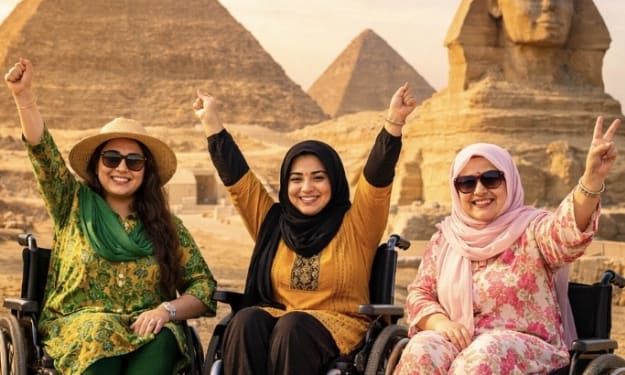
Three Pakistani Women Explore Egypt in Wheelchairs, Challenging Stereotypes
Traveling across a foreign country can be challenging for anyone, but for three Pakistani women who use wheelchairs, it became a powerful statement of courage, independence, and resilience. Their journey to Egypt was not just a vacation—it was a mission to challenge social perceptions and inspire others living with disabilities.
By Irshad Abbasi 7 days ago in History



Comments
There are no comments for this story
Be the first to respond and start the conversation.