
Dengue: The Fastest Growing Mosquito-Borne Disease in the World
Dengue: The Fastest Growing Mosquito-Borne Disease in the World


In a world already facing multiple health crises, one silent killer continues to surge across borders, fueled by climate change, urbanization, and global travel. Dengue — once confined to a few tropical and subtropical regions — has now become the fastest-growing mosquito-borne disease on Earth. Its rapid spread and increasing severity pose a serious threat to global public health. What is Dengue? Dengue is a viral infection caused by the dengue virus (DENV), which belongs to the Flaviviridae family. It is transmitted primarily by the Aedes aegypti mosquito, a species notorious for its ability to adapt to urban environments. There are four known serotypes of the virus — DENV-1, DENV-2, DENV-3, and DENV-4. Infection with one serotype usually provides lifelong immunity to that specific type but not to the others. If a person is infected with a different serotype later, it significantly increases the risk of developing severe dengue, which can be fatal. Global Spread: From Local Outbreaks to Worldwide Epidemics The global burden of dengue has increased dramatically in recent decades. According to the World Health Organization (WHO), about 390 million dengue infections occur each year, with nearly 100 million people developing clinical symptoms. Dengue is now endemic in over 100 countries, with Southeast Asia, the Pacific Islands, the Caribbean, and Latin America bearing the highest burden. In recent years, dengue has also appeared in places where it was previously unknown — including parts of Europe and North America, fueled by rising temperatures and changing ecosystems. Symptoms: More Than Just a Fever Dengue is often called “breakbone fever” due to the intense muscle and joint pain it causes. The symptoms typically appear 4–10 days after being bitten by an infected mosquito and may include: Sudden high fever (up to 104°F or 40°C) Severe headache Pain behind the eyes Joint and muscle pain Skin rash (appears a few days after fever starts) Nausea and vomiting Fatigue and weakness Mild bleeding (nose, gums, or easy bruising) While many cases resolve within a week, some can progress to severe dengue, formerly known as dengue hemorrhagic fever. This life-threatening form includes: Severe bleeding Organ damage Plasma leakage leading to shock Difficulty breathing Sudden drop in blood pressure (dengue shock syndrome) Children, the elderly, and those with previous dengue infections are at higher risk of developing complications. Why Is Dengue Spreading So Rapidly? Several global trends have contributed to the explosive growth of dengue:
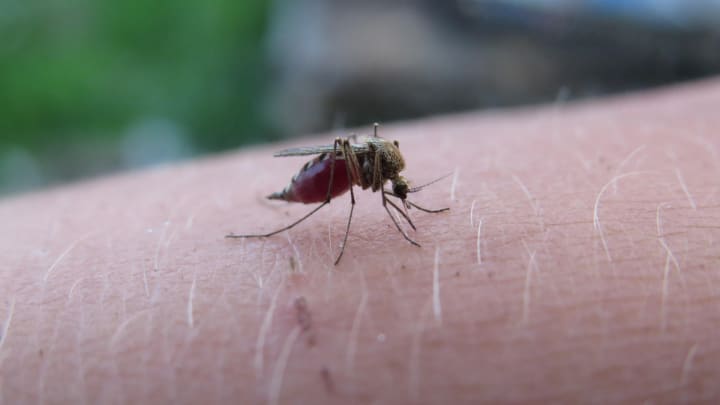
1. Urbanization: Rapid, unplanned urban growth creates ideal conditions for mosquito breeding — especially in crowded neighborhoods with poor drainage and water storage practices.
2. Climate Change: Rising temperatures and increased rainfall expand mosquito habitats, allowing Aedes mosquitoes to thrive in new regions, even at higher altitudes.
3. Global Travel and Trade: Modern transportation allows infected individuals and mosquitoes to move across countries and continents within hours, accelerating the spread.
4. Inadequate Public Health Infrastructure: In many countries, especially developing nations, vector control efforts are inconsistent, underfunded, or poorly executed.

5. Poor Awareness and Prevention: A lack of community education about mosquito control and early symptoms allows outbreaks to spread unnoticed until it's too late. The Economic and Social Toll Beyond the human cost, dengue also imposes a heavy economic burden. Families often face high medical bills, lost wages due to illness, and the emotional stress of caring for sick loved ones. For governments, dengue outbreaks result in increased healthcare costs, reduced productivity, and disruption of services. For example, during the 2019 outbreak in Bangladesh, over 100,000 people were hospitalized, overwhelming the healthcare system. Similar crises have been reported in Brazil, India, the Philippines, and Thailand. Prevention: The Most Effective Defense Since there is currently no antiviral cure for dengue, prevention remains the most critical strategy. Key prevention methods include: Eliminating mosquito breeding sites: Remove stagnant water from containers, tires, buckets, and plant saucers. Using mosquito repellents: Apply mosquito repellent on exposed skin, especially during the day. Wearing protective clothing: Long-sleeved shirts, pants, and socks can help reduce exposure. Installing screens and nets: Use mosquito nets while sleeping, especially in high-risk areas. Community action: Local governments and communities must work together in organizing cleaning drives, spraying insecticides, and spreading awareness. Treatment and Medical Care There is no specific treatment for dengue. Supportive care is essential and includes: Rest and hydration Use of pain relievers like paracetamol (avoid aspirin or ibuprofen) Monitoring for warning signs of severe dengue Hospitalization in serious cases Timely medical intervention can significantly reduce the risk of complications and death. Vaccination: A Ray of Hope? Vaccines like Dengvaxia have been developed and approved in some countries, but their use remains controversial due to risks in individuals who haven’t been previously infected. New vaccines are under trial and show promise, but wide deployment is still in the future. Until an effective universal vaccine becomes available, public awareness and environmental control remain our best tools. Conclusion: A Call to Global Action Dengue is not just a regional or seasonal illness — it is a global emergency that demands immediate and sustained action. As the fastest growing mosquito-borne disease in the world, it has the power to cripple healthcare systems, devastate families, and cross borders effortlessly. We must act together — as individuals, communities, and governments — to fight this invisible threat. Through education, prevention, investment in research, and improved healthcare systems, we can stop dengue from becoming the next pandemic. The time to act is now — because every mosquito bite carries a risk, and every life matters.
About the Creator
Habib Mahmud
Passionate storyteller and historian focusing on the past in order to comprehend the present. With clarity and depth, I write compelling articles about historical events, world history, and current events.
Keep reading
More stories from Habib Mahmud and writers in History and other communities.
The U.S. Is the World’s No.1 Freelance Market – Here’s How You Can Cash In
In a world increasingly driven by digital transformation and remote work, freelancing has emerged as a booming global industry. At the forefront of this revolution is the United States – now officially the largest and most dynamic freelance market on the planet.
By Habib Mahmud8 months ago in History
The Golden Peacock in History: Symbol of Power, Beauty, and Immortality
The Peacock as a Sacred Symbol The peacock has long been regarded as a sacred animal. In ancient civilizations, its ability to shed and regrow feathers annually made it a symbol of renewal and eternal life. Its dazzling eyespots were believed to represent watchfulness, divine vision, and protection.
By Say the truth 3 days ago in History


Comments
There are no comments for this story
Be the first to respond and start the conversation.