
🇬🇧 David Cameron: From Young Adviser to Global Statesman
How a Rising Conservative Strategist Became Prime Minister—and Returned to Power Years Later

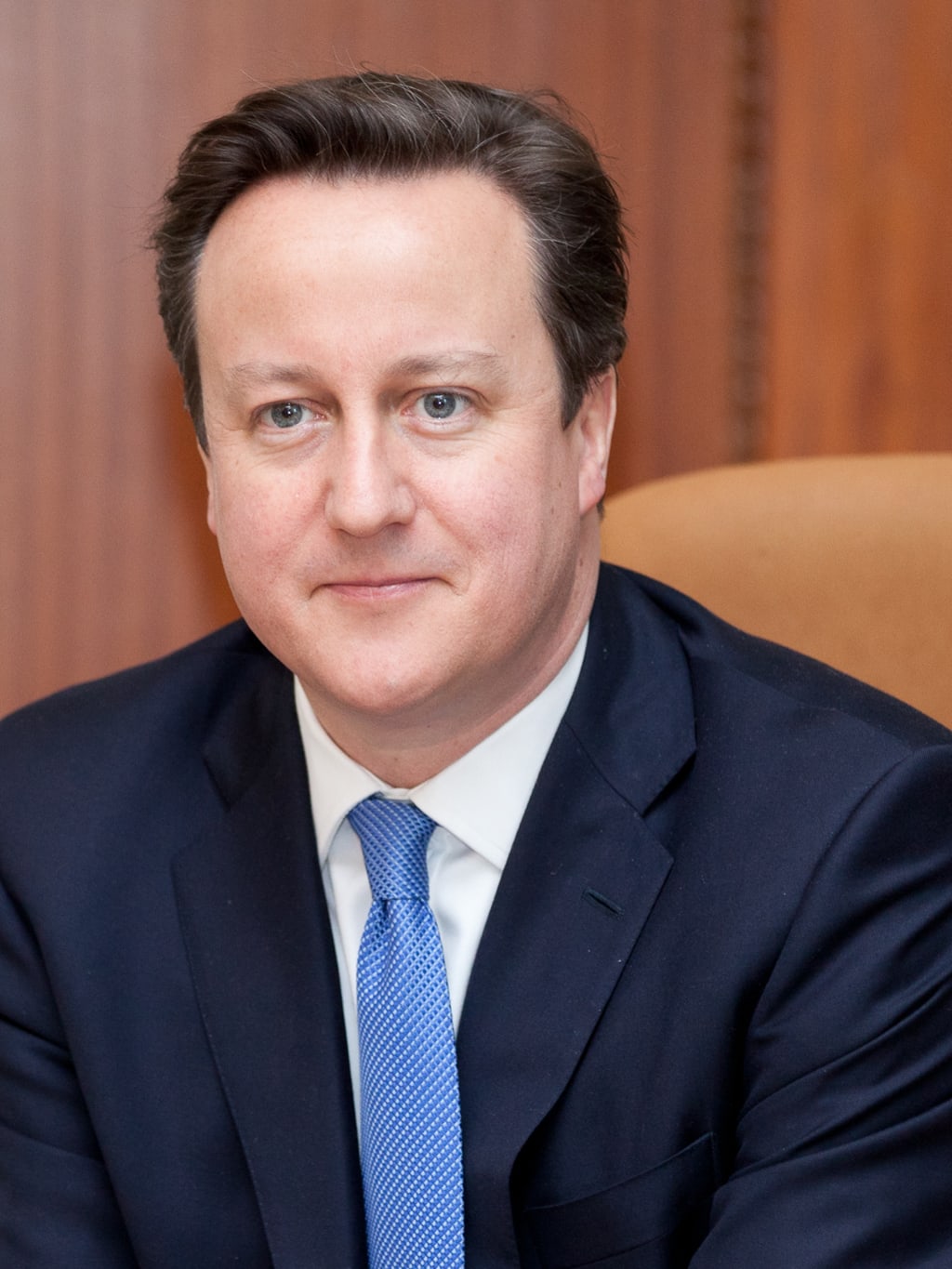
Few modern British leaders have experienced a career as dramatic, unexpected, and long-spanning as David Cameron. Long before he became the Prime Minister of the United Kingdom, Cameron spent years shaping policies behind the scenes, climbing through political ranks, and developing a leadership style that emphasized modernization, economic stability, and diplomatic engagement.
This article explores what he did before becoming Prime Minister, his major achievements in office, and how he returned to power years later—a political journey rarely seen in UK history.
Before Becoming Prime Minister: The Rise of a Young Conservative (Early 1990s–2010)
🎓 Elite Education and Early Promise
David Cameron studied Philosophy, Politics & Economics (PPE) at the University of Oxford, graduating with first-class honours. His academic career placed him among Britain’s emerging political thinkers and future policymakers.
🏛️ Behind-the-Scenes Government Roles
Before entering Parliament, Cameron built his experience working in government and Conservative Party structures.
His early roles included:
Serving as a special adviser to Chancellor Norman Lamont
Later advising Home Secretary Michael Howard
Working in the Conservative Research Department
Helping craft speeches, policies, and election strategies
These years gave him deep knowledge of the UK’s political machinery.
📈 Entering Parliament
In 2001, Cameron was elected as Member of Parliament for Witney.
His sharp communication skills quickly brought him into the spotlight.
⭐ Leader of the Conservative Party (2005)
In 2005, Cameron won the Conservative leadership and began modernizing the party’s image. He focused on:
Environmental awareness
Social services
Youth appeal
A more centrist political tone
His leadership revitalized the party’s public presence and prepared the ground for national victory.
Prime Minister of the United Kingdom (2010–2016)
David Cameron became Prime Minister in 2010, forming a coalition government with the Liberal Democrats—the UK’s first coalition in decades.
🏛️ Key Achievements as Prime Minister
1. Economic Recovery Measures 💼
Cameron led the country during the aftermath of the global financial crisis. His government focused on reducing the budget deficit and stabilizing the economy.
2. Social Reforms
Under Cameron, the UK legalized same-sex marriage—one of the most notable social reforms of his premiership.
3. Education and Welfare Changes
He introduced reforms in schools, apprenticeship expansion, and changes to welfare benefits.
4. Foreign Policy Leadership 🌍
Cameron played active roles in international diplomacy, including NATO operations and global climate initiatives.
⚡ Brexit Referendum and Resignation
In 2016, Cameron called the EU referendum.
He supported remaining in the European Union, but the public voted to leave.
He resigned as Prime Minister afterward, marking the end of his first major chapter in politics.
Life After Downing Street (2016–2023)
After leaving office, Cameron stayed mostly out of frontline politics. He:
Wrote his political memoir
Engaged in charity and global development work
Supported youth and mental health initiatives
Worked in international business and diplomacy-related roles
For many, it seemed he had permanently stepped away from government.
Surprising Political Comeback: Foreign Secretary (2023–2024) 🌍🇬🇧
In one of the most unexpected turns in modern British politics, David Cameron returned to government in 2023, when the Prime Minister appointed him UK Foreign Secretary.
To take this role, he was granted a seat in the House of Lords, becoming Lord Cameron of Chipping Norton.
🌐 Key Responsibilities in His Return
As Foreign Secretary, Cameron:
Represented the UK globally
Managed diplomatic relations
Handled international crises
Advocated for British interests abroad
His comeback demonstrated his ongoing influence and experience in global affairs.
Cameron Today: A Senior Voice in UK Politics
From a young adviser in the 1990s to Prime Minister, and later returning as Foreign Secretary, Cameron’s career spans:
Policy strategist
Party leader
Prime Minister
Global diplomat
Over three decades, he has remained one of the most recognizable figures in British political life.
Conclusion
David Cameron’s career is a rare blend of early political rise, national leadership, resignation, and unexpected return to frontline politics.
From his days as a young adviser to becoming Prime Minister, and later returning as Foreign Secretary, Cameron’s story is one of persistence, evolution, and continued relevance.
His journey reflects not only the shifting landscape of British politics but also the unpredictable paths leaders take long after leaving office.
About the Creator
Daily Motivation
Hi | Assalam Ulaikum | Wellcome to my profile | This is a Motivation Page | You can tell me your Problem so i can help you... my whatsapp number +92 336 7762 162
Keep reading
More stories from Daily Motivation and writers in History and other communities.
The Life Story of Michael Jackson – The King of Pop
Michael Jackson, often called the “King of Pop,” was one of the most influential and iconic entertainers in the history of music. His life was a mixture of extraordinary success, immense fame, groundbreaking artistry, and deep personal struggles. Born with a natural gift for singing and dancing, Michael became a global phenomenon whose legacy continues to inspire millions even after his death.
By Daily Motivation4 months ago in History
3 Real People Who Accidentally Became Myths
History has a strange habit of refusing to leave certain people alone. Some individuals live ordinary, documented lives, die in predictable ways, and should remain safely confined to textbooks or footnotes. Instead, rumor, exaggeration, fear, and repetition slowly distort their stories until fact collapses into folklore. Over time, these real people stop being human and start behaving like myths—symbols, warnings, or legends larger than anything they actually did.
By Enoch Sagini2 days ago in History




Comments
There are no comments for this story
Be the first to respond and start the conversation.