
Coffee creamer health risks:
The Health Risks of Coffee Creamers: A Deep Dive

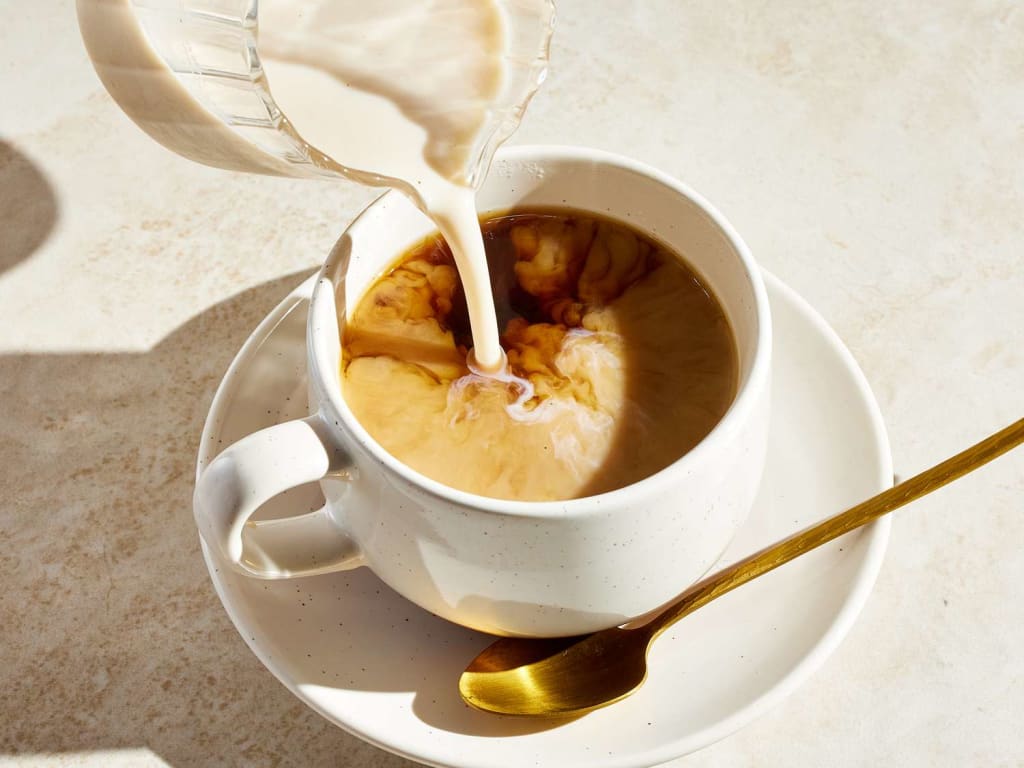
A Comprehensive Look at Coffee Creamers' Dangers to Health Coffee creamers are a staple in many people’s morning routines. Whether it's to add a little creaminess, sweetness, or flavor to a cup of coffee, creamers make the beverage more enjoyable for many. However, there are several health risks associated with both dairy and non-dairy coffee creamers, especially when they’re consumed regularly. In this article, we'll explore the various ingredients commonly found in coffee creamers and their potential impact on health.
1. Trans Fats: The Hidden Danger
One of the most concerning ingredients in many non-dairy coffee creamers is partially hydrogenated oils. These oils are often used because they help prolong the shelf life of the product and maintain its creamy texture. However, partially hydrogenated oils contain trans fats, which are known to have several negative health effects.
Trans fats are made-up fats that do not naturally occur in large quantities in food. Studies have shown that trans fats increase bad cholesterol (LDL) levels in the blood while simultaneously lowering good cholesterol (HDL). This combination significantly raises the risk of developing cardiovascular diseases, including heart attacks and strokes.
While many manufacturers have reduced or eliminated trans fats from their products due to health regulations and growing consumer awareness, it’s still important to check labels. If you drink coffee creamer every day, even small amounts of trans fats can add up.
2. Added Sugars: A Sweet but Dangerous Addition
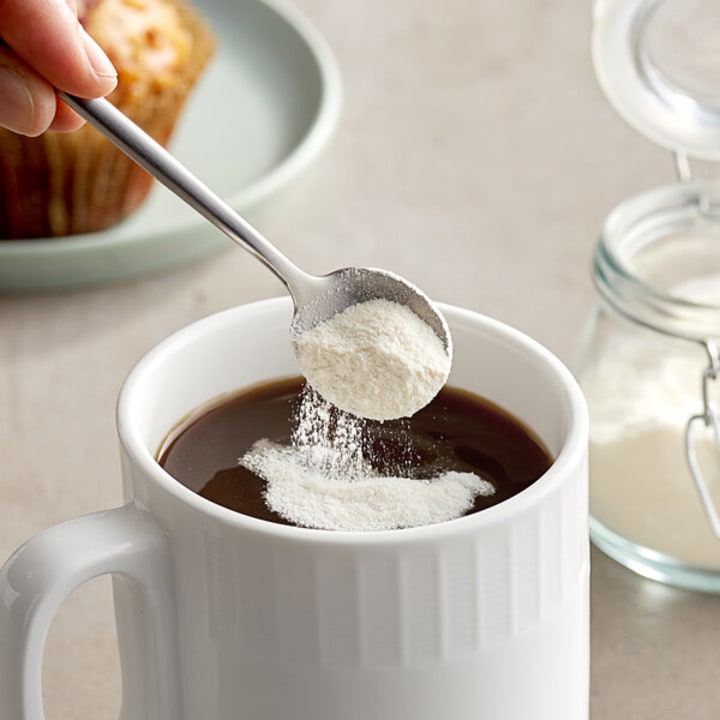
Another major concern with coffee creamers is the presence of added sugars. Many creamers, especially flavored varieties (like French vanilla, hazelnut, or caramel), are packed with sugar to make them more appealing. The American Heart Association recommends a daily limit of 25 grams (6 teaspoons) of added sugar for women and 37.5 grams (9 teaspoons) for men. Many commercial coffee creamers exceed this limit in just one or two servings.
A number of health issues can result from excessive sugar consumption, including: Weight Gain: Added sugars add empty calories, which can make you gain weight if you don't move your body. Type 2 diabetes: Over time, consuming a lot of sugar can cause insulin resistance, a condition in which the body doesn't respond as well to insulin. The likelihood of developing type 2 diabetes goes up as a result. Heart Disease: High sugar intake is linked to a greater risk of cardiovascular diseases. It raises blood pressure, promotes inflammation, and increases fat accumulation in the liver, all of which can contribute to heart disease.
Dental Issues: Sugar is a major culprit in tooth decay and cavities. Coffee creamer can raise the risk of oral health issues if consumed frequently. The sugar content of many flavored creamers can range from 5 to 10 grams per tablespoon, which can quickly add up when people use multiple tablespoons per cup.
3. Preservatives and flavors are examples of artificial additives.
To enhance the flavor, color, and shelf-life of coffee creamers, many brands include artificial additives such as artificial colors, flavors, and preservatives. In small amounts, these ingredients may be considered safe, but they are generally not very nutritious, and there are some concerns regarding their long-term effects on health. Artificial Colors: Some creamers contain artificial food dyes like Red 40 or Yellow 5, which have been linked to allergic reactions in people who are sensitive. Additionally, some studies suggest a possible connection between children's hyperactivity and artificial food coloring. Artificial Sweeteners: Some sugar-free creamers use artificial sweeteners like aspartame, sucralose, or saccharin to reduce sugar content. Although these sweeteners are generally regarded as safe, some research indicates that they may have an impact on the bacteria in the gut and the regulation of appetite. The effects over time on metabolic health are still being investigated. Preservatives: Manufacturers frequently add preservatives like sodium benzoate or potassium sorbate to coffee creamers to keep them fresh on store shelves. Although these preservatives are generally regarded as safe, when consumed in large quantities over time, they may contribute to oxidative stress and inflammation and elicit allergic reactions in some individuals. Although artificial additives may not pose immediate health risks in small quantities, the cumulative effect of consuming them regularly—especially in products like coffee creamers, which are consumed daily—could have unintended consequences.
4. Nutritional Deficiencies: Empty Calories
While coffee creamers can make your coffee taste delicious, they often provide empty calories. The majority of creamers, particularly the non-dairy varieties, lack nutritional value. They generally lack significant amounts of protein, vitamins, and minerals, making them less than ideal for nutrition. Consuming foods high in empty calories can lead to nutrient deficiencies over time because they do not provide any real nutritional benefits. For example, consuming too many calories from coffee creamer without eating a balanced diet could leave you lacking important nutrients such as fiber, vitamins, and minerals that are essential for maintaining good health.
5. Dairy Sensitivities: Lactose and Allergies
Consuming dairy-based creamers can cause digestive discomfort or allergic reactions in people who are lactose intolerant or allergic to milk. Lactose is the sugar found in milk, and many people lack the enzyme lactase, which is required to break down lactose. When dairy products are eaten, this causes symptoms like bloating, gas, diarrhea, and nausea. In addition to lactose intolerance, some people are allergic to proteins found in milk, such as casein or whey. This can cause more serious reactions, including hives, swelling, difficulty breathing, and in rare cases, anaphylaxis.
Fortunately, for those who avoid dairy, there are many non-dairy alternatives available, such as oat milk, almond milk, or coconut milk. However, it is essential to carefully read the labels because these alternatives may also have their own set of concerns, such as artificial additives, added sugars, and low protein content.
6. Impact on Gut Health
Some research has shown that the consumption of highly processed foods—like commercial coffee creamers—can negatively impact gut health. This is because many creamers contain artificial ingredients, preservatives, and emulsifiers, which can disrupt the delicate balance of bacteria in the gut. A poor gut microbiome has been linked to a variety of health problems, including inflammatory bowel disease (IBD), irritable bowel syndrome (IBS), and even mental health issues like anxiety and depression.
While the occasional cup of coffee with creamer may not significantly alter your gut microbiome, daily consumption could contribute to long-term imbalances.

Conclusion
Coffee creamers, while tasty and convenient, come with a variety of health risks. From trans fats and added sugars to artificial additives and potential effects on gut health, regular consumption of these products may have long-term consequences. While the occasional use of a coffee creamer won’t likely pose major health risks, it’s important to be aware of the ingredients in the products you’re consuming daily.
If you're concerned about the health risks associated with commercial creamers, consider opting for more natural alternatives. Plant-based options like almond, coconut, and oat milk provide a healthier, often lower-calorie option that may be better for your overall health. Alternatively, you can make your own coffee creamer at home using simple ingredients like milk or cream, a little vanilla, and a touch of sweetener.
Moderation is key, as is the case with all foods. By paying attention to labels, limiting the consumption of creamers high in sugars and unhealthy fats, and opting for healthier alternatives, you can enjoy your coffee without compromising your health.
About the Creator
Md Soriful Islam
I am an imaginative and inquisitive person, always loving to know and learn new things. My interest in self-improvement constantly motivates me. I am honest, hardworking and responsible. Finally, I am proud of my small progress.
Keep reading
More stories from Md Soriful Islam and writers in History and other communities.
Pakistan says India fired missiles at key military bases and that retaliation is underway
Islamabad/New Delhi, May 10, 2025 — Tensions between nuclear-armed neighbors India and Pakistan escalated dramatically on Saturday, after Pakistan accused India of launching missile strikes on several of its key military installations. The Pakistani military has confirmed that a retaliatory operation is currently underway, marking one of the most serious confrontations between the two countries in over two decades.
By Md Soriful Islam9 months ago in History
Is the U.S. Preparing to Attack Iran?
Is the U.S. Preparing to Attack Iran? Inside the Rising Tensions and Possible Military Pathways In early 2026, tensions between the United States and Iran reached one of their highest points in years. For weeks, dramatic political rhetoric, shifting military postures, and warnings from leaders around the world have fueled alarms that a U.S. military strike against Iran may be imminent. Yet as of now, no confirmed attack has occurred, and the situation reflects a complex mix of pressure, preparation, de-escalation, and diplomatic uncertainty that illustrates how modern conflict can hinge just as much on words and positioning as on direct action.
By Wings of Time 5 days ago in History
No ICE, No KKK, No Fascist USA
"I don't 'do' politics." Politics will do you, regardless. Watching from the sidelines for the last year I can see far too many similarities in the way Trump's ICE Gestapo is to Nazi Germany. Considering the United States just invaded Venezuela and kidnapped their President and his wife I would say we are there.
By Lyvia Jack7 days ago in History
How, Too
Many people wonder how, too. You are not alone, and I am an expert. I will teach you how, too! First, you need to remit a small application fee and fill out an application describing the nature of your financial situation and how often payments will be made, as this will have great bearing on how well I teach you how, too.
By Harper Lewis5 days ago in Fiction




Comments (1)
This was such an informative and eye-opening read! We don’t really have coffee creamer as a regular thing here in Australia, so it’s always been a bit of a novelty when I’ve visited the US.