
Cancer-causing Arsenic is building up in the world`s news.
The unseen link Between Global Warming,soil chemistry,and food safety
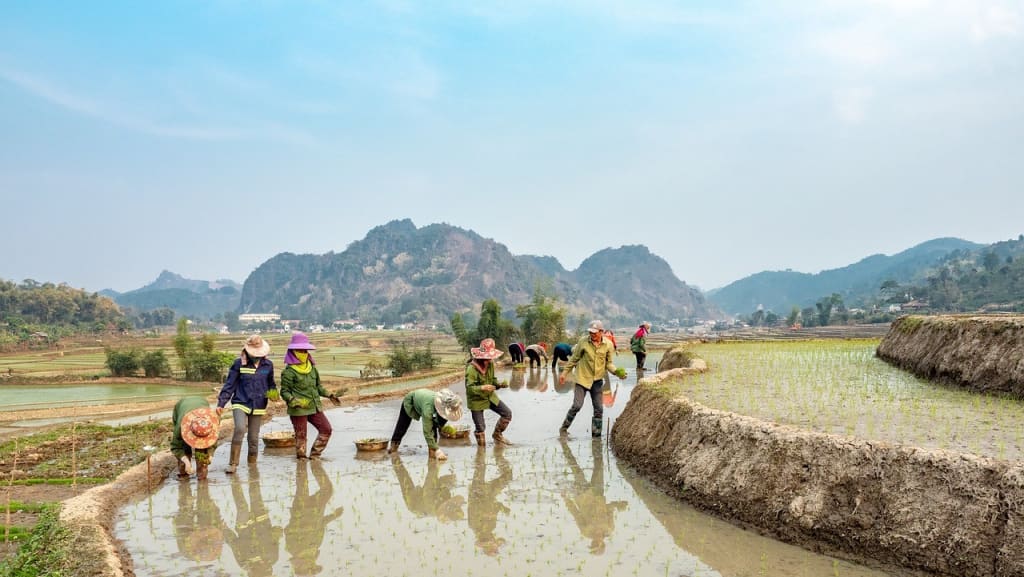
Cancer-causing Arsenic is building up in the world`s news.
Rice, a staple food for over half of the world's population, is increasingly accumulating arsenic, a toxic element linked to cancer. In countries like Bangladesh, where rice is a staple food, this trend is especially concerning.
Arsenic in Rice:A Growing Global Health Concern Amid Climate Change
In light of climate change, arsenic in rice is becoming a growing global health concern. Over half of the world's population relies on rice as a staple food, but arsenic, a toxic element linked to cancer and other serious health problems, is increasingly being spread through rice. Recent research has shown that climate change is making the problem worse and is putting public health and food safety worldwide in jeopardy.
Climate Change and Arsenic Accumulation.
Arsenic in rice is becoming a growing global health concern in light of climate change. Arsenic, a toxic element linked to cancer and other serious health issues, is increasingly being spread through rice, which is a staple food for over half of the world's population. Climate change is putting public health and food safety at risk all over the world, according to recent research.
Health Implications of Arsenic Exposure
The more harmful form of arsenic found in rice, inorganic arsenic, is linked to an increased risk of cancer, particularly lung and bladder cancer, cardiovascular disease, and neurological effects, particularly in children. Adults who consume moderate amounts of rice may not face immediate danger, but those in vulnerable groups and those who consume a lot of rice should exercise caution.
Brown vs.White Rice:Nutritional Trade-offs
Because brown rice keeps the bran layer, where arsenic builds up, its arsenic levels are higher than those of white rice. However, brown rice also contains more essential nutrients and fiber. Nutritionists recommend weighing these advantages against potential disadvantages, particularly for young children who are more susceptible to the negative effects of arsenic.
Mitigation Strategies
To reduce arsenic intake frome rice:
- Diversify Grains: Include alternative grains in your diet,
- Select Rise Wisely: Such as quinoa, barley, or millet. Choose Rice Carefully: Select basmati rice from India or Pakistan,
- which is known to have lower arsenic levels. The correct way to cook rice is to thoroughly rinse it, cook it in excess water (at a ratio of 6:1), and then drain the excess water. Arsenic content can be reduced by up to 57% using this method. Health
- Limit Rice-Based Products for Children: Rice cereals and snacks for infants and young children should be avoided at all costs because they are more susceptible to the harmful effects of arsenic.
Agricultural Innovation:Alternate Wetting and Drying (AWD)
Instead of continuously flooding rice fields, the awd irrigation method involves periodically drying them. This method contributes to both food safety and the mitigation of climate change by reducing methane emissions by 48% and reducing arsenic accumulation in rice grains by up to 66%.
Global Perspective and Call to Action .
Toxic heavy metals like arsenic are contaminating between 14 and 17 percent of the world's cropland, posing a threat to ecosystems, crop yields, and human health. This contamination, which comes from both natural and industrial sources, has a greater impact on low- and middle-income nations and may have an impact on global food networks.
In order to ensure food safety and safeguard public health in the face of climate change, addressing arsenic contamination in rice requires international cooperation, investment in sustainable agricultural practices, and public awareness.
About the Creator
Keep reading
More stories from writers in History and other communities.
Drones, Aircraft Carriers, and the Shadow of Wo
Drones, Aircraft Carriers, and the Shadow of World War III World War III, once a distant fear, is now discussed more openly by analysts and leaders around the world. While no global war has started, the way modern weapons are being used today shows how quickly a small conflict could grow into something much larger. Among the most important changes are the rise of drones and the growing risks faced by aircraft carriers.
By Wings of Time about 11 hours ago in History




Comments
There are no comments for this story
Be the first to respond and start the conversation.