
Why the UAE Will Now See Warmer Weather in the Middle of Winter
A seasonal weather phenomenon, shifting wind patterns, and climate influences are bringing a brief spell of warmth to the Emirates during peak winter

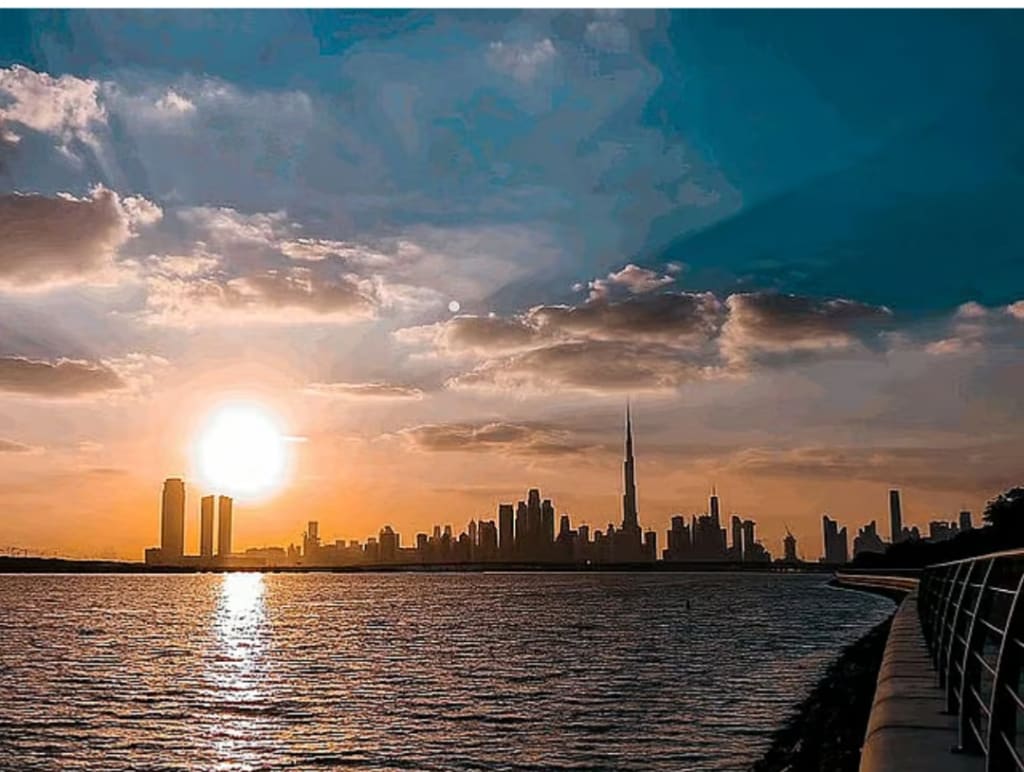
“Dafwat Al Tala’a” brings a temporary rise in temperatures as traditional weather patterns and broader climate influences intersect
In a weather twist that’s drawing attention across the Gulf, the United Arab Emirates is experiencing a noticeable rise in temperatures in what should be the heart of winter — a change that may seem unusual but is rooted in age-old seasonal patterns and broader climatic forces. Residents across the Emirates have reported milder conditions during late January, with some days feeling comparatively warmer than typical winter expectations.
This trend, while temporary, highlights how traditional seasonal transitions on the Arabian Peninsula interact with contemporary climate dynamics. Understanding this phenomenon requires a look at both local, time-honored weather cycles and the larger influence of global climatic changes that are reshaping weather norms around the world.
---
The Seasonal Shift: Dafwat Al Tala’a and Dar Al Sab’een
The immediate reason behind the warm spell is a meteorological and cultural pattern known as “Dafwat Al Tala’a,” which translates roughly to the warmth associated with the arrival of spring. This period is traditionally observed from January 25 to February 4, coinciding with what local weather experts refer to as Dar Al Sab’een.
Ibrahim Al Jarwan, Chairman of the Emirates Astronomical Society, explains that this is a seasonal phenomenon — not a sustained shift in the climate system. During these days, temperatures often rise compared with the preceding winter weeks, offering residents a brief interlude of warmth. It is aligned with natural seasonal cycles that have been recognized in the region for generations.
The rise in temperatures during this period also has ecological relevance: it accelerates the pollination process of date palms, a plant of cultural and economic significance in the Gulf. Hence, the warmth is both a climatic and an agricultural signal marking the transition toward spring.
---
Weather Patterns Behind Mid-Winter Warmth
At its core, the temporary mild spell is driven by shifts in atmospheric circulation that bring warmer air masses across the Arabian Peninsula. In winter, the region typically experiences cool conditions due to northerly winds carrying colder air from continental interiors. However, when wind patterns shift, warmer air from the Arabian interior can push temperatures upward.
These dynamics are embedded in broader weather cycles, including large-scale oscillations such as the Indian Ocean Dipole and changes associated with El Niño and La Niña patterns. Although the direct influence of phenomena like El Niño on the UAE’s mid-winter temperatures is complex, such patterns can influence seasonal atmospheric circulation and temperature distributions across the tropics and subtropics.
Meteorologists note that these mid-winter warm periods are not necessarily signs of longer seasonal shifts but rather natural fluctuations that local climates have historically exhibited — albeit ones that are now occurring against a backdrop of broader climate change.
---
Climate Change: Amplifying Weather Variability
Beyond traditional seasonal cycles, the influence of global climate change cannot be ignored. Studies show that global temperatures are rising, and the Arabian region has felt these effects acutely. Reports indicate that the Arab region experienced some of its highest recorded average temperatures recently, with 2024 marked as a particularly warm year.
Global warming affects weather patterns by increasing the baseline temperature of the atmosphere and oceans, altering humidity levels, and modifying wind and pressure systems. These changes can intensify natural weather variability, making sudden warm spells or abrupt temperature swings — like the current mid-winter warmth — more noticeable or pronounced than in past decades.
In the context of the UAE, where desert geography already predisposes the region to substantial diurnal (day-night) and seasonal temperature changes, a warming climate can accentuate these fluctuations, leading to warmer winter days and milder overall seasons.
---
What Residents Are Experiencing
For people living across cities such as Dubai, Abu Dhabi, and Sharjah, these warmer winter days are tangible. While typical winter daytime temperatures in the UAE can range from the high teens to low-mid 20s °C, Dafwat Al Tala’a can push these figures noticeably higher during midday, creating conditions that feel almost spring-like.
Despite daytime warmth, nights can still cool off significantly, particularly in desert and elevated inland areas. This contrast reflects both the region’s desert climate and ongoing temperature shifts linked with atmospheric variability.
The combination of mild daytime temperatures with crisp nights gives residents an unusual mid-winter experience — a break from the cooler weather associated with the earlier Al Shabt seasonal cold spells.
---
Looking Ahead: Seasonal Outlook and Preparedness
Meteorological forecasts suggest that the warm spell will remain temporary, with colder conditions returning as winter progresses toward February and March. The National Centre of Meteorology (NCM) continues to monitor weather patterns and advises residents to expect a mix of mild and cooler periods, along with occasional rain or fog events.
While Dafwat Al Tala’a offers a pleasant reprieve from winter cold, longer-term temperature trends influenced by climate change point toward a gradual warming of the region overall — a pattern that could extend summer conditions later into the year and shorten the duration of true cold periods.
For now, residents can enjoy the warmer days as part of a familiar seasonal rhythm — one that has gained fresh relevance amid evolving climate conditions.
-
About the Creator
Keep reading
More stories from Salaar Jamali and writers in History and other communities.
Fifteen Dead After Philippines Ferry With 300 Passengers Sinks
: At least 15 people have died and hundreds have been rescued after a passenger ferry carrying more than 300 people sank early on Monday, January 26, 2026, off the coast of the southern Philippines, authorities said. The tragedy has sparked a massive search and rescue operation, highlighted persistent safety concerns in inter‑island maritime travel, and left families anxiously awaiting news of loved ones.
By Salaar Jamali2 days ago in History
How the Pyramids Changed the World’s Understanding of Engineering
Few structures in human history have inspired as much wonder, debate, and admiration as the pyramids of ancient Egypt. Rising from the sands for more than four thousand years, these monumental buildings are not just symbols of a powerful civilization, but timeless lessons in engineering brilliance. Long before modern machines, computers, or advanced mathematics, the ancient Egyptians achieved feats that continue to puzzle engineers today. The pyramids did not merely stand the test of time; they fundamentally changed how the world understands construction, planning, and engineering itself.
By Binan Mooon2 days ago in History
Can World War III Be Prevented?
Can World War III Be Prevented? The idea of World War III is no longer limited to history books or fictional movies. Rising global tensions, regional wars, arms buildups, and political rivalries have made many people wonder whether another world war is possible—and more importantly, whether it can still be prevented. While the risks are real, global conflict is not inevitable. Prevention depends on choices made by leaders, institutions, and societies today.
By Wings of Time 6 days ago in History



Comments
There are no comments for this story
Be the first to respond and start the conversation.