
Archaeologists Unearth 5,000-Year-Old Noblewoman in Peru's Ancient Coastal Town
Discovery in Peru’s ancient coastal city of Aspero reveals high-ranking woman’s burial, offering rare insights into one of the Americas' oldest civilizations.

Archaeologists Unearth 5,000-Year-Old Noblewoman in Peru's Ancient Coastal Town
April 30, 2025
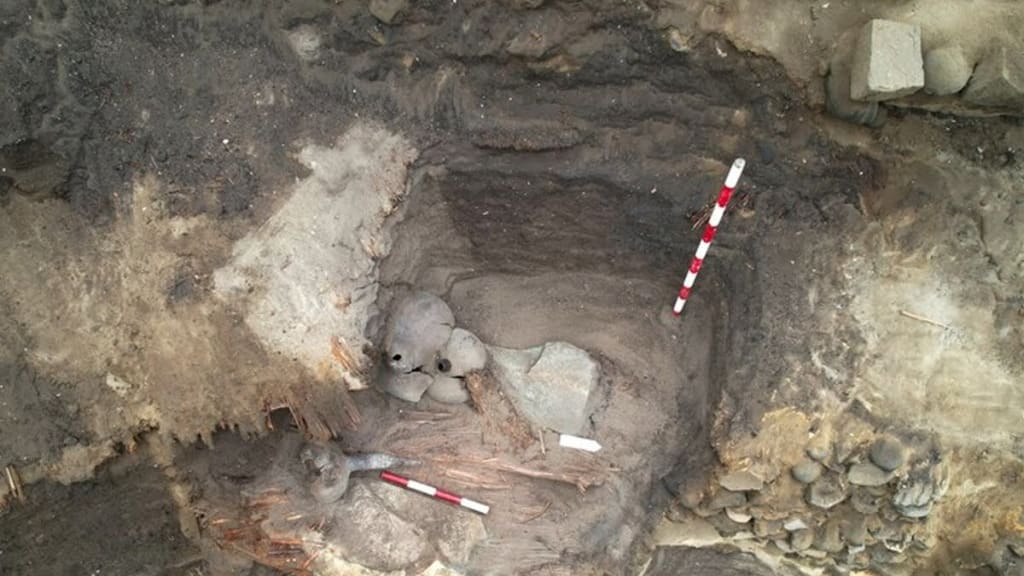
In a remarkable archaeological discovery, researchers in Peru have unearthed the remarkably well-preserved remains of a 5,000-year-old noblewoman in the ancient coastal town of Aspero, shedding new light on the Caral civilization—one of the oldest known urban societies in the Americas.
Discovery Amidst Ancient Ruins
The excavation, conducted near the Pacific Ocean, revealed the burial site of a woman estimated to have lived between 3000 and 1800 B.C. Her remains were found wrapped in cotton fabrics and plant materials, with her skin, hair, and nails astonishingly intact—a rare occurrence in the region where typically only bones are preserved.
Elaborate Grave Goods Indicate High Status
The noblewoman was interred with a variety of grave goods that underscore her elite status within the Caral society. Among the items discovered were:
An embroidered panel adorned with macaw feathers
A toucan's beak inlaid with green and brown beads
An Amazonian snail shell
Approximately 30 sweet potatoes
A fishing net
These artifacts suggest not only her high social standing but also the extensive trade networks and cultural practices of the Caral civilization.
Insights into the Caral Civilization
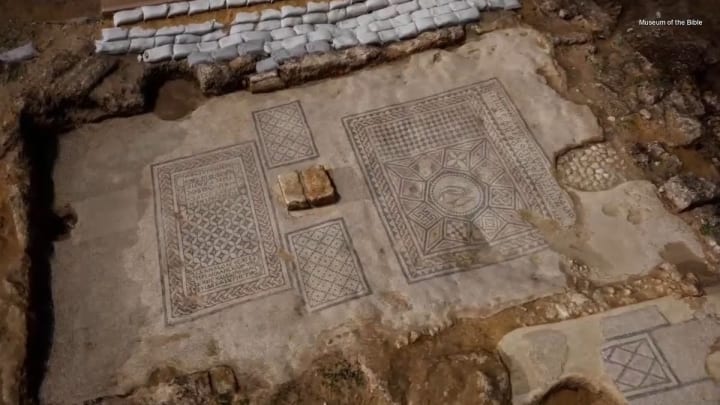
The Caral civilization, flourishing along the Supe Valley in Peru, is renowned for its advanced architecture and city planning, including pyramids and temples. The discovery of this noblewoman's burial site provides valuable insights into the societal structure of Caral, indicating that women could attain positions of significant influence and status.
This finding aligns with previous discoveries, such as the 2016 unearthing of the "Lady of Four Tupus," another elite female burial in Aspero, which included brooches carved into the shapes of birds and monkeys. These findings collectively challenge earlier assumptions that leadership roles in ancient civilizations were predominantly held by men.
Ongoing Research and Analysis
Archaeologists are currently conducting detailed analyses of the noblewoman's remains and accompanying artifacts to gain further understanding of her lifestyle, health, diet, and the circumstances surrounding her death. These studies aim to reconstruct aspects of daily life in the Caral civilization and the roles women played within it.
Significance of the Discovery
This discovery not only enriches our understanding of the Caral civilization but also contributes to the broader narrative of women's roles in ancient societies. The presence of such elaborate grave goods and the preservation of the noblewoman's remains offer a unique glimpse into the cultural and social dynamics of one of the world's earliest urban centers.
As research continues, the findings from Aspero promise to deepen our appreciation of the complexity and sophistication of the Caral civilization and its recognition of women's contributions to society.
Archaeologists are currently conducting detailed analyses of the noblewoman's remains and accompanying artifacts to gain further understanding of her lifestyle, health, diet, and the circumstances surrounding her death. These studies aim to reconstruct aspects of daily life in the Caral civilization and the roles women played within it.
Significance of the Discovery
This discovery not only enriches our understanding of the Caral civilization but also contributes to the broader narrative of women's roles in ancient societies. The presence of such elaborate grave goods and the preservation of the noblewoman's remains offer a unique glimpse into the cultural and social dynamics of one of the world's earliest urban centers.
As research continues, the findings from Aspero promise to deepen our appreciation of the complexity and sophistication of the Caral civilization and its recognition of women's contributions to society.
As research continues, the findings from Aspero promise to deepen our appreciation of the complexity and sophistication of the Caral civilization and its recognition of women's contributions to society.
About the Creator
Adnan Rasheed
Author & Creator | Writing News , Science Fiction, and Worldwide Update| Digital Product Designer | Sharing life-changing strategies for success.
Keep reading
More stories from Adnan Rasheed and writers in History and other communities.
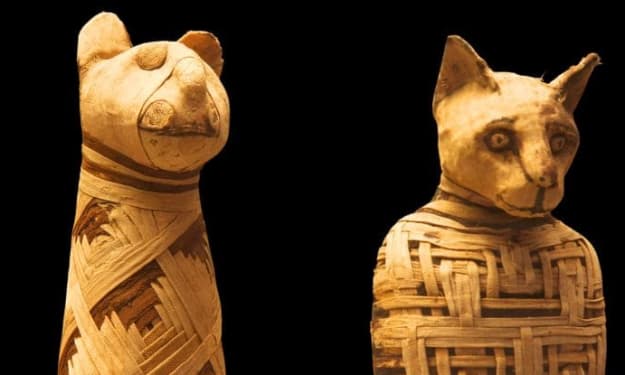
The Modern Cat May Have Emerged From Ancient Egyptian Ritual Sacrifice
The Modern Cat May Have Emerged From Ancient Egyptian Ritual Sacrifice When we think of the domestic cat — sleek, independent, and beloved by millions — we often imagine it as a timeless companion of humankind. However, recent studies suggest that the modern cat's origins may be closely tied to ancient Egyptian rituals, particularly those involving mass sacrifice. This surprising connection sheds new light on the long and complex relationship between humans and felines.
By Adnan Rasheed9 months ago in History
3 True Stories That Sound Like Urban Legends but Aren’t
Urban legends usually follow a familiar pattern. A friend of a friend hears something unbelievable, the details get hazy, and the story ends with a warning about human stupidity or bad luck. The unspoken rule is simple: if it sounds too strange to be true, it probably is.
By Enoch Sagini3 days ago in History
The Crown of Ash and Gold
In the final era of the ancient kingdom of Aurelion, the world seemed to change its tone. The skies appeared duller, the winds colder, and the streets quieter than they had ever been during the kingdom’s golden age. Aurelion was once a beacon of civilization—its stone cities gleamed under the sun, its scholars were respected across continents, and its armies had carved its name into history. Yet no empire, no matter how mighty, can escape the slow test of time.
By The best writer 6 days ago in History
My New Book is Finally Here
My poetry collection Beautiful and Brutal Things is done. It's actually done and finally published over 270 pages. Over a year of my life went into this book. More than a year, really. Long days at my computer, sometimes seven days a week because I couldn't stop even when I probably should have. Then two months of editing that felt harder than the writing itself. But it's finished, and I'm still standing, and the book is real.
By Tim Carmichael2 days ago in BookClub



Comments
There are no comments for this story
Be the first to respond and start the conversation.