
Ancient Egyptian pyramids thought to contain only the elite may also hold low class laborers.
Uncovering the Forgotten Builders: Evidence of Low-Class Laborers Buried Near the Pyramids

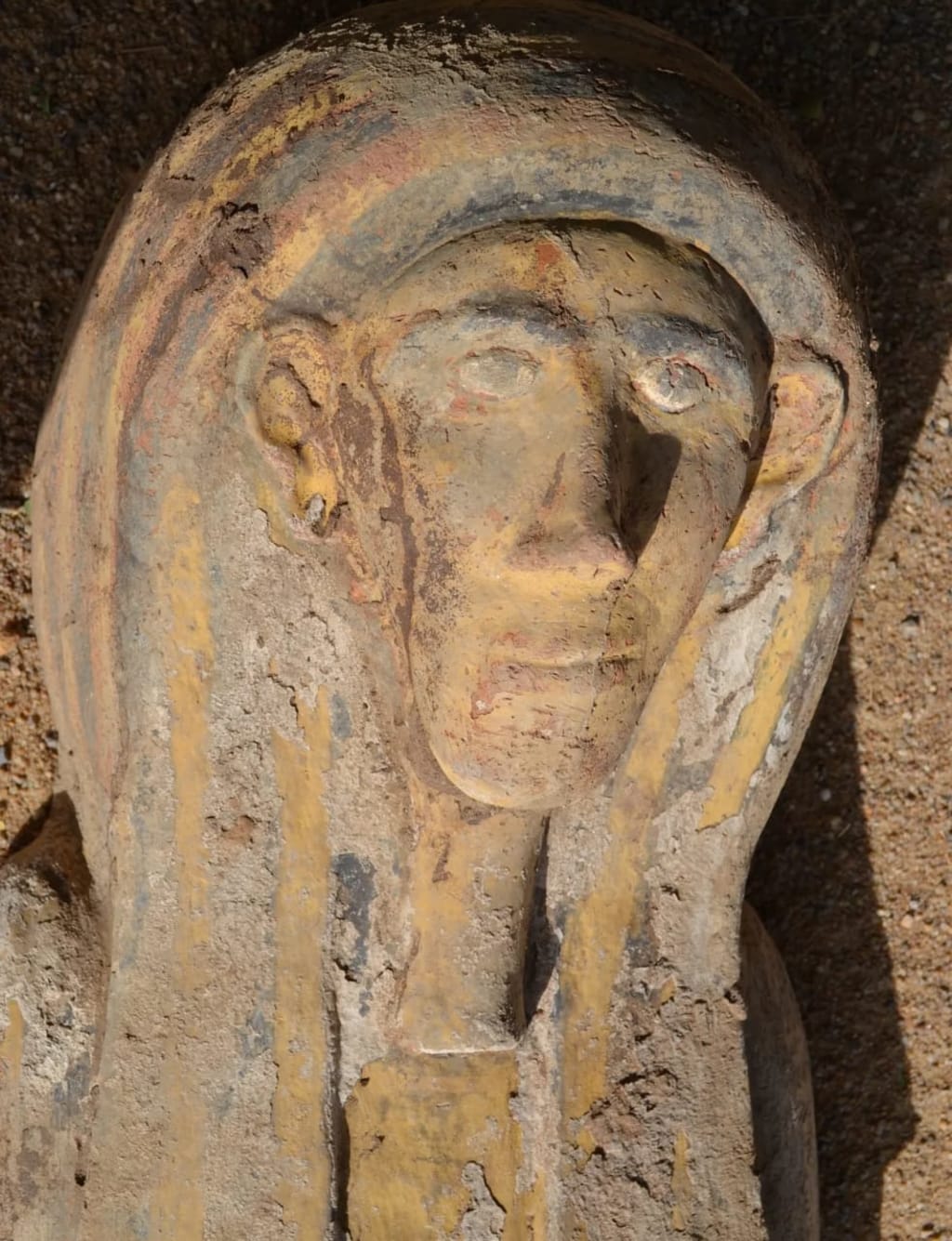
Ancient Egyptian pyramids thought to contain only the elite may also hold low class laborers.
The ancient Egyptian pyramids have long been regarded as monuments to the elite serving as grand tombs for pharaohs and high ranking officials. However recent archaeological discoveries challenge the notion that these structures were exclusively for the ruling class. Evidence suggests that the pyramids may also contain the remains of low-class laborers shedding new light on the social dynamics and burial practices of ancient Egypt. This revelation reshapes our understanding of how the civilization honored not just its rulers but also the workers who played a crucial role in constructing these massive edifices. For centuries the prevailing belief was that only the pharaohs and the elite were entitled to elaborate burials within the pyramid complexes. These towering structures built primarily during the Old Kingdom period were designed as eternal resting places for the kings, ensuring their passage to the afterlife. The intricate burial chambers filled with treasures and elaborate carvings were thought to be reserved for those of noble birth. However excavations near the Giza pyramids have provided compelling evidence that suggests otherwise.
Archaeologists have unearthed workers’ tombs near the pyramids revealing that laborers were buried in proximity to the structures they helped build. These tombs though not as grand as those of the pharaohs display a level of care that contradicts the notion that these laborers were mere slaves or expendable workers. The graves contain well preserved skeletons some of which show signs of medical treatment indicating that these workers were valued members of society. The presence of food offerings and simple artifacts in their tombs suggests that they were given some degree of respect in death. One of the most significant discoveries supporting this theory is the workers’ village near Giza. This settlement housed the laborers who built the pyramids providing them with food shelter and medical care. The evidence suggests that these workers were not slaves as once thought, but rather skilled laborers who were part of a well organized workforce. The presence of bread, beer and meat in their diet indicates that they were adequately nourished further challenging the perception that pyramid builders were treated poorly. These findings support the idea that while the pharaohs and elite had the most opulent tombs the laborers who contributed to these grand projects were also recognized in some way after death.
The discovery of these burial sites raises important questions about social mobility and class structure in ancient Egypt. While it is clear that the ruling class enjoyed unparalleled privileges the fact that laborers were buried near the pyramids suggests that their contributions were acknowledged. This challenges the traditional view that only the elite were entitled to a dignified burial. It is possible that those who worked on these monumental projects were granted the honor of being laid to rest near them perhaps as a reward for their service. In addition to the physical evidence historical records provide further insight into the status of pyramid laborers. Ancient texts mention laborers working on royal construction projects sometimes even receiving recognition for their efforts. The presence of graffiti left by workers inside the pyramids referring to themselves with team names like The Friends of Khufu suggests a sense of camaraderie and pride in their work. These inscriptions humanize the laborers revealing that they were not mere nameless workers but individuals with a shared purpose. The implications of these discoveries extend beyond Egyptology and into the broader understanding of ancient societies. The idea that laborers could be buried near the structures they built suggests a more complex social hierarchy than previously thought. It indicates that while ancient Egyptian society was undoubtedly stratified it also recognized and honored the efforts of those who contributed to its greatest achievements. This challenges the long standing assumption that only the elite mattered in the grand narrative of Egyptian civilization. The question of why laborers were buried near the pyramids also brings up fascinating discussions about religious beliefs and the afterlife. In ancient Egyptian culture proximity to a powerful figure such as the pharaoh was believed to offer spiritual benefits in the afterlife. It is possible that workers who participated in the construction of these monuments were seen as deserving of a burial near these sacred sites perhaps to share in the pharaoh’s divine protection. This suggests that the belief in an afterlife was not limited to the elite but extended to those who played a role in the kingdom’s grand projects.
The ongoing excavations and discoveries continue to reshape our understanding of ancient Egyptian society. While the pyramids remain symbols of royal power they also serve as a testament to the laborers who built them. The evidence that these structures may contain the remains of low class workers challenges previous assumptions and highlights the complexity of ancient Egyptian burial practices. It underscores the idea that even in one of history’s most hierarchical civilizations, the contributions of common people were not entirely overlooked.
This new perspective on pyramid burials invites further research into the lives of those who built these wonders. By studying the remains of laborers and their burial practices archaeologists can gain deeper insights into their daily lives working conditions and social status. The findings thus far suggest that the narrative of the pyramids as exclusive tombs for the elite is incomplete. Instead these structures may also serve as silent tributes to the countless individuals who labored to create them ensuring their place in history alongside the rulers they served. As new discoveries continue to emerge our understanding of the pyramids will undoubtedly evolve. What was once considered an absolute truth that only the elite were buried near these monuments now appears to be a more nuanced and complex reality. The inclusion of laborers in burial practices near the pyramids signifies a broader recognition of their role in shaping ancient Egypt’s legacy. These revelations remind us that history is always open to reinterpretation and the story of the pyramids is far from complete.
SEO KEYWORD:
Ancient Egyptian pyramids, pyramid laborers, who built the pyramids, burial sites in Egypt, workers' tombs near pyramids, Egyptian social hierarchy, ancient Egypt burial practices, were the pyramids built by slaves, Giza pyramid workers, archaeological discoveries in Egypt, pyramids and laborers' graves, Egyptian pyramid builders' tombs, pyramid construction workers, ancient Egyptian history, pharaohs and their workers.
About the Creator
Adnan Rasheed
Author & Creator | Writing News , Science Fiction, and Worldwide Update| Digital Product Designer | Sharing life-changing strategies for success.
Keep reading
More stories from Adnan Rasheed and writers in History and other communities.
Roman Girls and Marriage in Ancient Rome
Roman Girls and Marriage in Ancient Rome Marriage in ancient Rome was not just a personal union but a crucial social legal and political institution. Roman girls particularly those from elite and middle class families were often married at a very young age. While the legally acceptable age for marriage was twelve the actual age varied based on social status and family decisions. The marriage system in ancient Rome reflected the patriarchal structure of society where marriages were arranged primarily for social alliances rather than personal relationships.
By Adnan Rasheed12 months ago in History
A 4,400-Year-Old Priestess Tomb Discovered in Egypt
Archaeologists in Egypt have uncovered the remarkable tomb of a priestess that dates back approximately 4,400 years, offering new insight into religion, culture, and daily life during the height of the ancient Egyptian civilization. The discovery was made near the famous pyramids on the Giza Plateau, one of the most important archaeological areas in the world. Experts believe the tomb belonged to a high-ranking priestess named Hetpet, who lived during Egypt’s Fifth Dynasty, around 2400 BC. 
By Irshad Abbasi 6 days ago in History



Comments
There are no comments for this story
Be the first to respond and start the conversation.