
4,000-Year-Old Chinese Ceramic Water Pipes: A Glimpse into Neolithic Engineering at Pingliangtai
Ancient Chinese

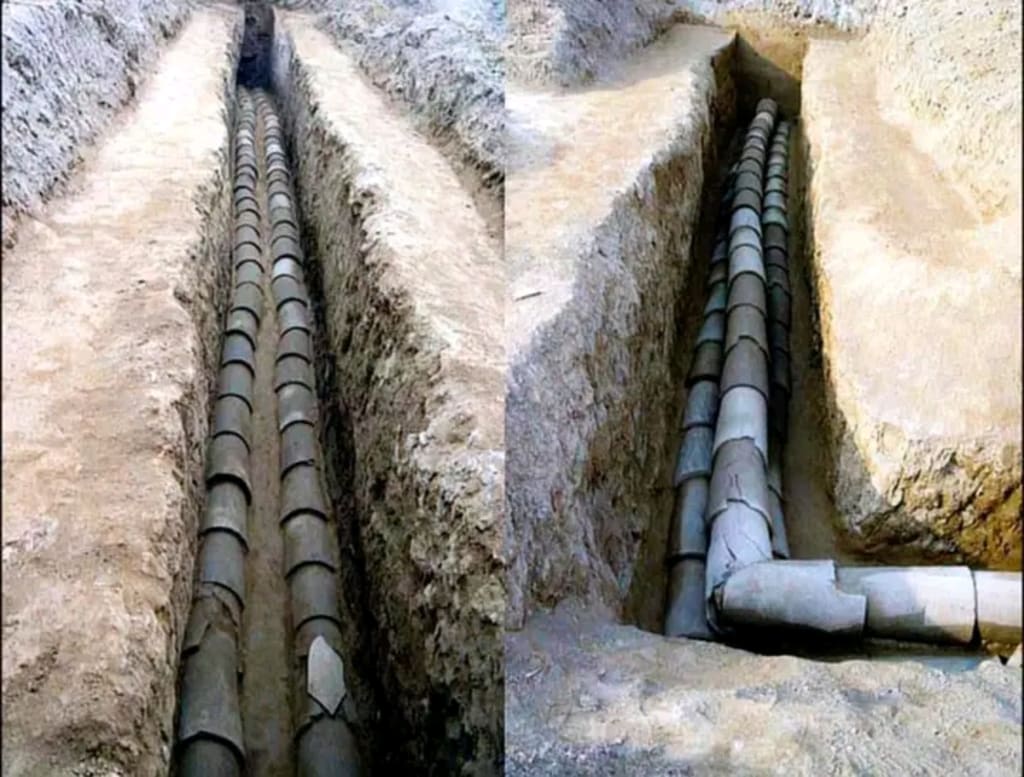
In the annals of human history, few discoveries are as remarkable as those that reveal the engineering prowess of ancient civilizations. Recent archaeological findings from the Pingliangtai site, located in the Central Plains of China, have uncovered a stunning piece of Neolithic ingenuity: 4,000-year-old ceramic water pipes. This discovery sheds light on the advanced water management systems used by early Chinese settlers and provides a glimpse into how these ancient people harnessed the environment to sustain and protect their communities.
The Significance of Pingliangtai
Pingliangtai is an important archaeological site in China's Henan Province, where excavations have unearthed a wealth of evidence pointing to a complex and well-organized society during the Neolithic period. The settlement, dating back to around 2,000 BCE, belonged to the Longshan culture, a prehistoric civilization known for its early urban development, advanced pottery, and use of sophisticated tools.
The recent discovery of ceramic water pipes adds to the growing body of evidence showing that the people of Pingliangtai were far ahead of their time in urban planning and infrastructure development. These pipes, which are believed to be among the oldest examples of ceramic water management systems in the world, demonstrate the community’s impressive capacity to engineer solutions to environmental challenges, especially in the context of water control.
Neolithic Water Management: The Function of the Ceramic Pipes
Water management is one of the fundamental pillars of civilization. For ancient settlements like Pingliangtai, ensuring a stable and controllable water supply was crucial for both daily life and agricultural activities. However, managing water flow also posed significant challenges, particularly in regions prone to seasonal flooding or drought.
The ceramic pipes discovered at Pingliangtai were part of an intricate system designed to manage the settlement’s water needs and protect it from flooding. These pipes were strategically placed beneath the ground to channel rainwater and excess runoff away from the residential areas, reducing the risk of waterlogging during heavy rains. By directing the water flow into safe drainage systems, the Neolithic engineers were able to prevent flooding, which would have otherwise destroyed homes and farmlands.
The use of ceramic as the material for these pipes is significant. Ceramics, made from baked clay, are durable and capable of withstanding the erosive forces of water. These ancient pipes were carefully crafted with interlocking sections, showing a high level of precision and foresight in their construction. The ability to connect multiple pipes to create an extensive network speaks to the organizational and technical skills of the Neolithic engineers.
Urban Planning and the Role of Water Control
The discovery of these ceramic water pipes highlights the advanced urban planning that was taking place in Pingliangtai. Far from being a rudimentary village, this settlement demonstrates characteristics of early cities, where planning and infrastructure were key elements in the community’s survival.
The water pipes are evidence of a carefully thought-out drainage system, where specific areas of the settlement were designed to serve different functions. Residential areas were likely located on slightly higher ground, while channels were built to direct water flow away from these spaces. The pipes were part of a broader system that included ditches, reservoirs, and possibly even irrigation channels for agriculture.
This type of infrastructure would have required collaboration among the people of Pingliangtai. It implies not only technical knowledge but also social organization—different members of the community would have been responsible for maintaining and repairing the pipes, ensuring that the water management system continued to function effectively. This degree of cooperation and coordination suggests that the community had a form of governance or leadership that oversaw these activities.
Implications for Understanding Ancient Chinese Civilization
The discovery of these 4,000-year-old ceramic pipes not only changes our understanding of water management in ancient China but also offers insights into the broader scope of Chinese Neolithic culture. It challenges the assumption that early Neolithic societies were primitive or lacked complex technologies. Instead, the Pingliangtai settlement demonstrates that these ancient people possessed advanced knowledge of engineering, hydrology, and urban planning long before such techniques became widespread in other parts of the world.
Furthermore, this discovery contributes to the growing recognition of the Longshan culture as a precursor to later Chinese dynasties. The ingenuity seen at Pingliangtai provides a foundation for understanding how these early developments in water management and urban planning may have influenced subsequent Chinese civilizations, including the Xia, Shang, and Zhou dynasties. These later cultures would continue to refine water control methods, leading to the construction of large-scale irrigation systems and the famous canals that are synonymous with ancient Chinese engineering.
A Legacy of Innovation
The ceramic water pipes of Pingliangtai offer a glimpse into a time when human ingenuity was driven by the need to adapt to the natural environment. Faced with the challenges of water management, the Neolithic people of China developed practical solutions that not only ensured their survival but also allowed their society to flourish.
Today, this discovery serves as a testament to the resilience and innovation of our ancient ancestors. It reminds us that the drive to create, solve problems, and build infrastructure has deep roots in human history, stretching back thousands of years. As we continue to explore the past, we are constantly reminded that the achievements of ancient civilizations still have much to teach us about the foundations of modern society.
The discovery of these ancient pipes at Pingliangtai not only enhances our understanding of early Chinese civilization but also contributes to the global narrative of how humans have interacted with and shaped their environments throughout history. It’s a humbling reminder of the ingenuity that has long defined humanity’s progress.
About the Creator
Keep reading
More stories from Deji Akomolafe and writers in History and other communities.
The Lloyds Bank Coprolite: The Largest Preserved Viking Poop Ever Found
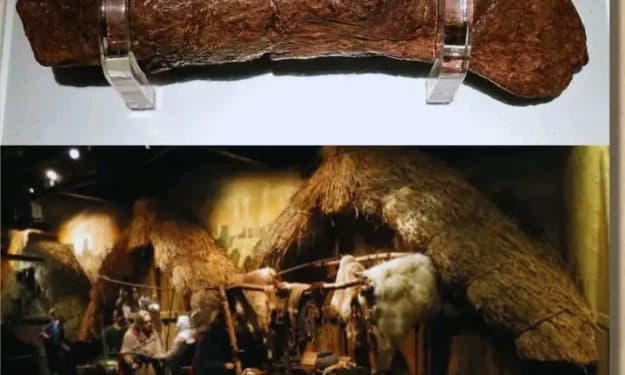
In the world of archaeology, discoveries often come in unexpected shapes and sizes. One such unique find is the Lloyds Bank Coprolite, a preserved Viking poop that has earned its place in the annals of history as the largest human coprolite ever discovered. This 8-inch-long and 2-inch-wide relic, dating back to the 9th century AD, offers a surprising glimpse into the life and health of a Viking over 1,200 years ago. Although its value may seem odd to some, this "precious" poop is now worth an estimated $39,000 and is a prized piece of history.
By Deji Akomolafeabout a year ago in History
The Catastrophic Aftermath of the Dinosaur-Killing Asteroid
Approximately 66 million years ago, the Earth experienced one of the most dramatic and catastrophic events in its history: a massive asteroid, now identified as the Chicxulub impactor, collided with the planet near what is today the Yucatán Peninsula in Mexico. Measuring roughly 10 kilometers in diameter, this space rock unleashed energy equivalent to billions of atomic bombs, marking the end of the Cretaceous period and triggering a chain of events that wiped out approximately 75% of all species on Earth, including the iconic non-avian dinosaurs.
By Irshad Abbasi about 24 hours ago in History
A Transparent Look at Vocal Challenges and Top Stories
Almost three years ago, we shared a resource article that served as a place for people to suggest new challenge prompts. We thought it would be a good idea to refresh that thread, and take the opportunity to answer a few common questions about top stories, how challenges are judged and how submissions are reviewed.
By Vocal Curation Team4 days ago in Resources


Comments
There are no comments for this story
Be the first to respond and start the conversation.