
The Lloyds Bank Coprolite: The Largest Preserved Viking Poop Ever Found
Old poop

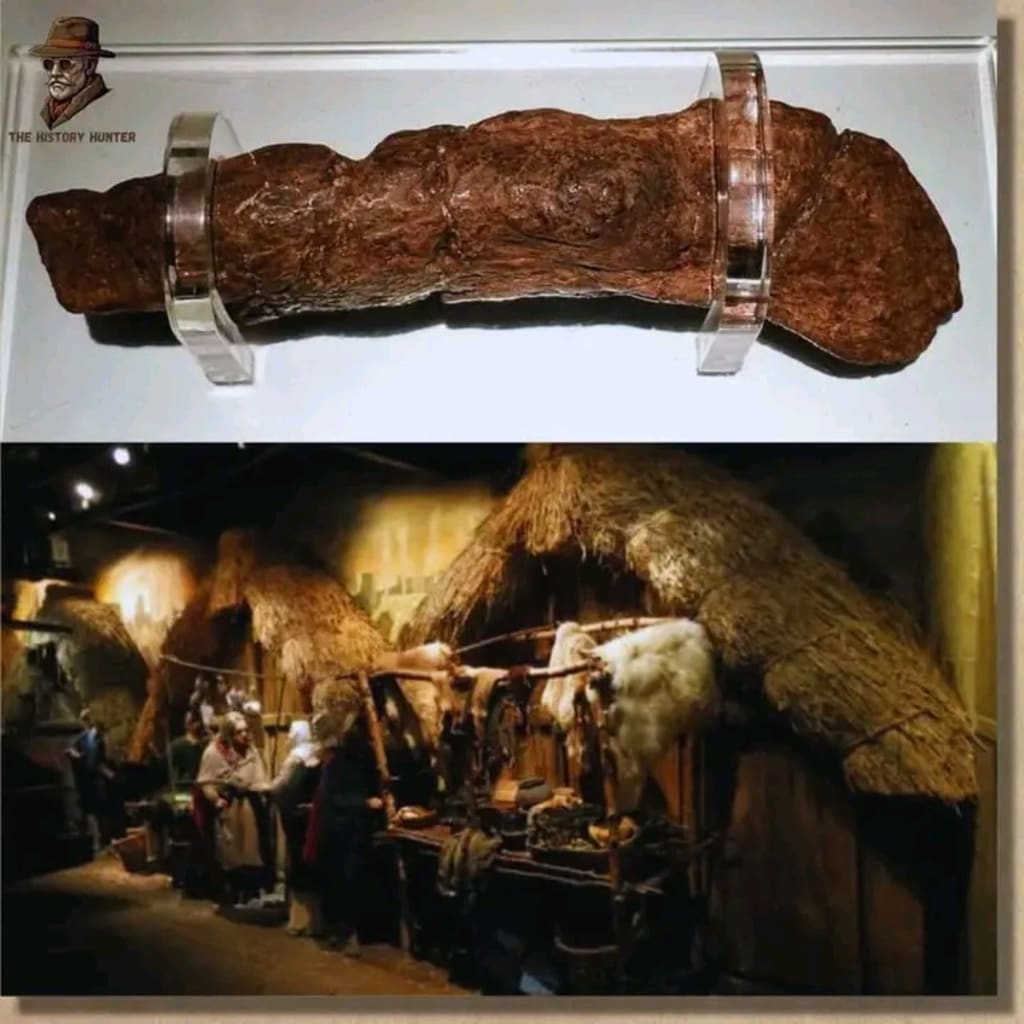
In the world of archaeology, discoveries often come in unexpected shapes and sizes. One such unique find is the Lloyds Bank Coprolite, a preserved Viking poop that has earned its place in the annals of history as the largest human coprolite ever discovered. This 8-inch-long and 2-inch-wide relic, dating back to the 9th century AD, offers a surprising glimpse into the life and health of a Viking over 1,200 years ago. Although its value may seem odd to some, this "precious" poop is now worth an estimated $39,000 and is a prized piece of history.
But how did a piece of ancient fecal matter come to be so important? And what can it tell us about the Viking world? Let’s dive into the fascinating story of the Lloyds Bank Coprolite.
The Discovery: A Viking’s Legacy Unearthed
The story of the Lloyds Bank Coprolite begins in 1972 when construction workers in York, a city in northwest England, were digging to build a new Lloyds TSB office. York, once known as Jórvík, was a thriving Viking settlement during the 9th century AD. It was ruled by Norse warriors who had made the city their home following their conquests in England. The construction site was located in an area that had been part of this bustling Norse settlement.
As the workers dug deeper into the earth, they uncovered something unusual—an 8-inch-long, 2-inch-wide piece of ancient fecal matter. Little did they know that this would become one of the most significant and peculiar archaeological finds of the 20th century.
Upon closer examination, experts identified the specimen as a coprolite, the scientific term for fossilized or preserved feces. The massive size and state of preservation immediately set it apart from other findings, and it was soon dubbed the Lloyds Bank Coprolite, after the location where it was discovered. Further analysis revealed that the coprolite was around 1,200 years old, making it a relic from the time of the Viking occupation of York.
The Significance of the Lloyds Bank Coprolite
While it may seem humorous at first glance, the Lloyds Bank Coprolite provides valuable insights into the diet, health, and daily life of the Vikings who once lived in York. Coprolites, though unglamorous, are treasure troves of information for archaeologists. By studying ancient feces, scientists can learn a great deal about what people ate, their environment, and even their overall well-being.
In the case of the Lloyds Bank Coprolite, the contents of the specimen revealed that its Viking owner had a diet rich in meat and grains, typical of the Norse diet of the time. However, it also showed signs of poor digestive health. Analysis uncovered traces of parasites, specifically whipworm and maw-worm eggs, which suggest that the Viking who produced this coprolite was suffering from intestinal distress or infection. This finding is significant because it highlights the health challenges faced by people in the Viking era, including the prevalence of parasitic infections.
Moreover, the sheer size of the coprolite suggests that the individual who created it had consumed a large quantity of food, but it also points to possible digestive issues. The Viking may have been constipated or experiencing other gastrointestinal problems, which would explain the unusually large size of the feces.
What the Lloyds Bank Coprolite Teaches Us About Viking Life
Beyond the medical details, the Lloyds Bank Coprolite offers a glimpse into everyday Viking life. Vikings were known for their seafaring conquests, but they were also skilled farmers, traders, and settlers. York, or Jórvík, was one of their most important settlements in England, and its rich archaeological layers have revealed much about the Viking way of life.
The coprolite suggests that meat and grains were staple foods in the Viking diet, which aligns with what we know about Norse eating habits. Vikings raised livestock, hunted, and gathered, making meat an essential part of their diet. Grains like barley and oats were also common, as they were used to make porridge and bread.
However, the presence of parasites in the feces also tells us that living conditions may not have been ideal. Sanitation practices were likely rudimentary, and close living quarters, combined with limited access to clean water, would have made parasitic infections common. The discovery of parasites in the Lloyds Bank Coprolite is a reminder that, despite their warrior reputation, the Vikings faced many of the same health challenges as other ancient peoples.
From Feces to Fame: The Lloyds Bank Coprolite Today
Today, the Lloyds Bank Coprolite is a valued artifact on display at the Jorvik Viking Centre in York, where it attracts thousands of curious visitors each year. Its unusual nature, combined with its scientific value, has made it a star exhibit. The coprolite’s estimated worth of $39,000 is a testament to its importance in the archaeological world, where even the most unlikely objects can reveal profound truths about the past.
For many, the coprolite is a source of amusement, but for historians and archaeologists, it is a window into the world of the Vikings—a civilization known for its strength, resilience, and adaptability. While the Lloyds Bank Coprolite may not be the most glamorous find, it has contributed to our understanding of Viking life in ways that more conventional artifacts could not.
Conclusion: A Humble Poop with a Big Story
The discovery of the Lloyds Bank Coprolite is a reminder that history is full of surprises. What might seem insignificant at first glance can hold tremendous value, both in terms of scientific knowledge and cultural insight. The preserved Viking poop, once worn by a sick Norse warrior in the 9th century AD, offers a rare glimpse into the diet, health, and daily life of a long-lost era.
In the end, the Lloyds Bank Coprolite is more than just an ancient poop—it’s a fascinating piece of the Viking legacy, connecting us to a past that is both strange and surprisingly familiar.
About the Creator
Keep reading
More stories from Deji Akomolafe and writers in History and other communities.
The Mysterious Underground City of Derinkuyu: A Hidden Marvel of Ancient Engineering
Imagine knocking down a wall in your basement and discovering a passage that leads to an ancient, sprawling underground city. This remarkable scenario became reality for a Turkish man in 1963 when he unwittingly revealed the entrance to Derinkuyu, one of the largest and most elaborate subterranean cities ever found. Located in the Cappadocia region of central Turkey, Derinkuyu is a true marvel of ancient engineering, with its labyrinthine corridors, living quarters, and amenities capable of sustaining an underground community of up to 20,000 people.
By Deji Akomolafeabout a year ago in History
Stanislav Kondrashov’s Oligarch Series: Renaissance Merchants and the Power of Cultural Patronage
In his *Oligarch Series*, Stanislav Kondrashov explores how wealth has shaped history far beyond economics. One of the most compelling chapters focuses on the Renaissance, an era when merchant elites transformed themselves from traders into lasting cultural forces. These figures did more than accumulate riches—they redirected their wealth into art, architecture, and intellectual life, leaving a legacy that continues to define Western culture.
By Stanislav Kondrashov 4 days ago in History


Comments
There are no comments for this story
Be the first to respond and start the conversation.