
2,000 Year Old Sarcophagus Found in Türkiye's Gladiators' City
The discovery of a Roman gladiator's ancient sarcophagus in Türkiye’s historic city of Ephesus offers new insights into the region's rich gladiatorial legacy and evolving religious traditions.

2,000 Year Old Sarcophagus Found in Türkiye's Gladiators' City
Selçuk Türkiye
In an extraordinary archaeological discovery a 2,000 year old sarcophagus has been unearthed in the historic district of Selçuk located in Türkiye's western İzmir province. This region once home to the legendary city of Ephesus has long been associated with ancient gladiators and the new find sheds even more light on its fascinating past. The excavation conducted near the famous Ayasuluk Hill and the St. John Basilica revealed the sarcophagus buried just 20 centimeters below the surface. The site rich with layers of history spanning millennia has already produced many important artifacts but this discovery stands out for its rarity and historical significance.
A Gladiator's Resting Place
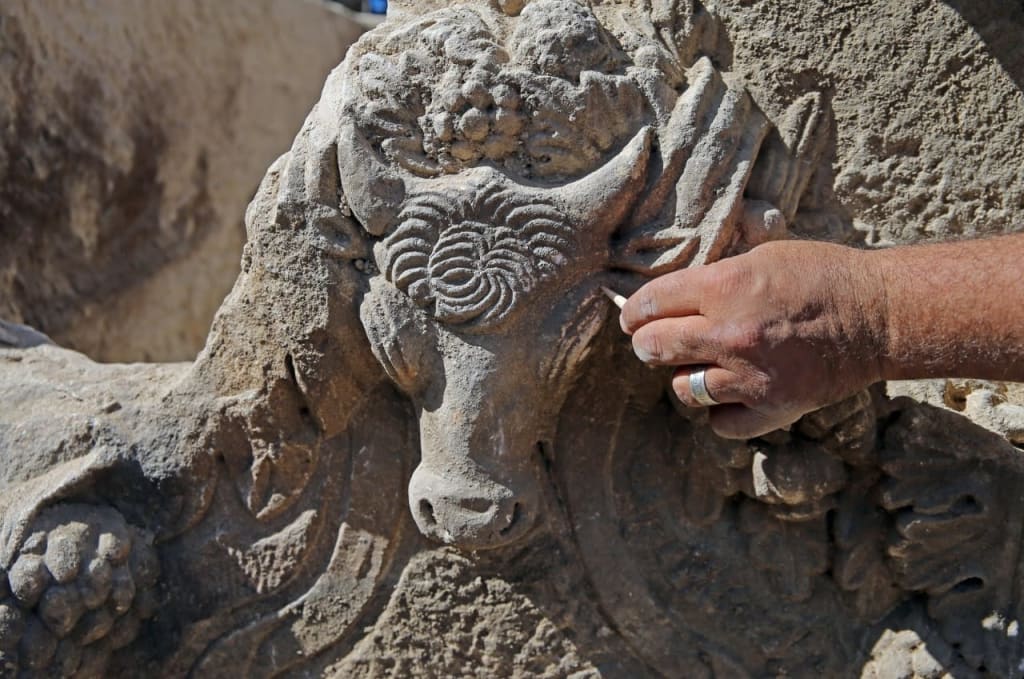
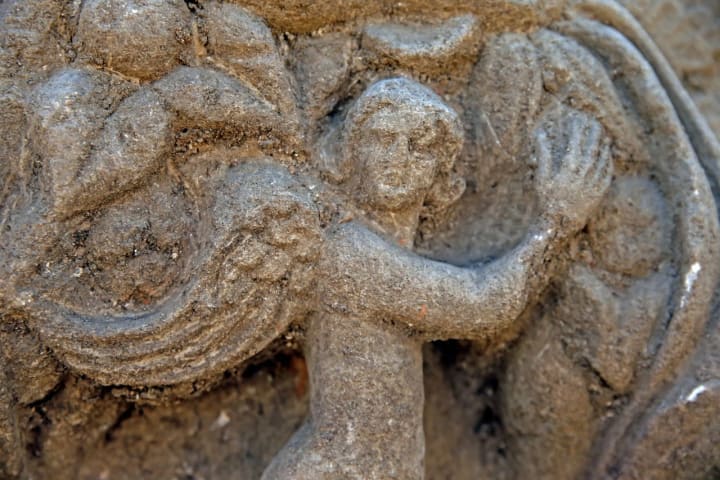
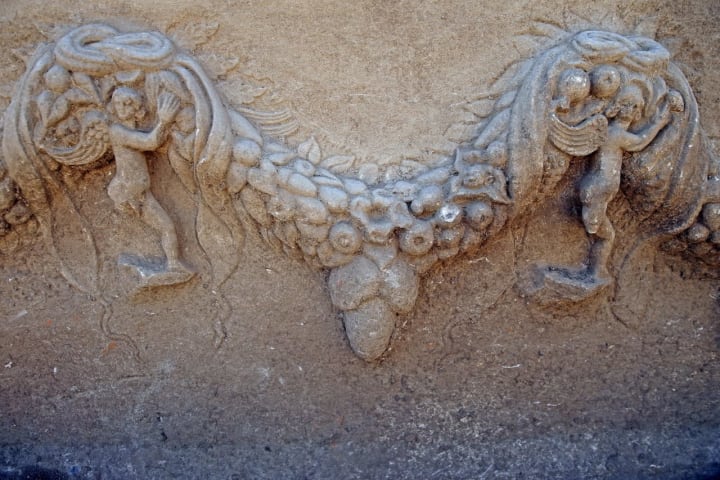
Preliminary analyses suggest that the sarcophagus belonged to a Roman era gladiator. Researchers led by Associate Professor Dr. Ertan Yıldız uncovered inscriptions and decorative carvings on the stone coffin. Most notably an inscription refers to a gladiator named Euphrates suggesting that he may have been a prominent figure during his time. Gladiators were admired for their strength bravery and combat skills often fighting in arenas for public entertainment. Although many gladiators were slaves or prisoners of war some achieved considerable fame and status. The elaborate nature of this sarcophagus implies that Euphrates might have been such a celebrated individual respected enough to merit a distinguished burial. What makes the discovery even more intriguing is that the sarcophagus was reused approximately two centuries after Euphrates' burial. Archaeologists found that in the 5th century CE it became a collective tomb for 12 individuals including men and women. This practice of reusing tombs was not uncommon in the later Roman and Byzantine periods especially for those of high social status or within religious communities. Inside the sarcophagus researchers identified three cross reliefs indicating its Christian re-adaptation. By the 5th century Christianity had become the dominant faith of the region and former pagan monuments were often repurposed to fit the new religious context. The reburials suggest that the sarcophagus was likely placed within a church setting reserved for prominent clergy members or wealthy citizens.
Architectural Transformations
The church connected to the site underwent several transformations over the centuries. Initially the burial site started as a modest tomb and later evolved into a small church. During the reign of Emperor Justinian I in the 6th century CE it was expanded into a larger domed basilica. This pattern of architectural evolution mirrors broader trends in the Eastern Roman (Byzantine) Empire where religious structures grew in scale and complexity over time symbolizing the increasing power of Christianity. Selçuk’s discovery is not the first of its kind in Türkiye a country rich in Roman and Byzantine archaeological treasures. Other sites such as Stratonikeia often called the City of Gladiators have also revealed gladiator related tombs and mosaics. These discoveries together highlight the important cultural role gladiators played in the Roman world not merely as entertainers but also as symbols of martial virtue and occasionally community pride. Stratonikeia for instance was famous for its gladiatorial schools and arenas and inscriptions have been found commemorating the fallen fighters. Similarly the Euphrates sarcophagus stands as a testament to the respect some gladiators garnered in life and death. Following the discovery efforts are being made to preserve the sarcophagus and the associated findings. Experts are carefully documenting every aspect of the tomb and conducting further analyses including DNA studies to learn more about the individuals buried within. There is hope that the sarcophagus and its story will eventually be put on display for public viewing either at the Ephesus Archaeological Museum or another prominent venue. Such exhibitions not only educate visitors about ancient history but also serve to reinforce the importance of protecting Türkiye’s archaeological heritage. Moreover the ongoing excavations at Ayasuluk Hill continue to promise further revelations. Every layer unearthed tells a new chapter in the story of Ephesus a city that once stood as a beacon of civilization at the crossroads of East and West.
A Window into the Past
The discovery of the Euphrates sarcophagus offers a rare and poignant glimpse into the lives of individuals who lived two millennia ago. It reminds us that even in an age of empires war and conquest the human desire for honor remembrance and spiritual legacy remained constant. As new findings emerge they help piece together the complex mosaic of history showing how different cultures and traditions merged and evolved over the centuries. The Gladiators' City has once again revealed a treasure not just of stone and inscription but of the enduring human spirit.
About the Creator
Adnan Rasheed
Author & Creator | Writing News , Science Fiction, and Worldwide Update| Digital Product Designer | Sharing life-changing strategies for success.
Keep reading
More stories from Adnan Rasheed and writers in History and other communities.
Archaeologists Unveil Medieval Inscriptions in Jerusalem’s Cenacle A Glimpse into Pilgrimage History
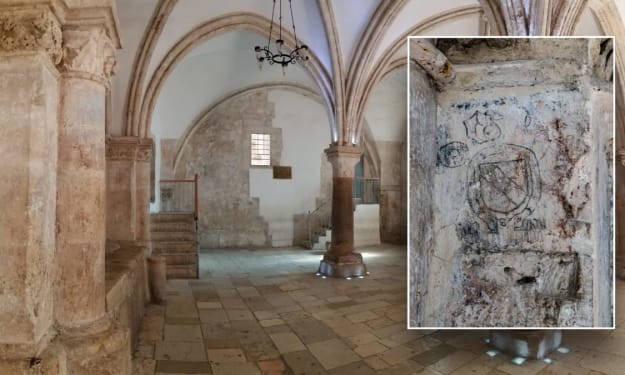
Archaeologists Unveil Medieval Inscriptions in Jerusalem’s Cenacle A Glimpse into Pilgrimage History In a remarkable archaeological breakthrough researchers have uncovered a series of medieval inscriptions within the Cenacle also known as the Room of the Last Supper located on Mount Zion in Jerusalem. This discovery offers a rare glimpse into the lives of Christian pilgrims who visited this sacred site between the 14th and 16th centuries.
By Adnan Rasheed11 months ago in History
🐊 Ancient Egyptian Crocodile Discovery Astonishes Experts
In a remarkable scientific and archaeological breakthrough, researchers studying fossils and ancient remains in Egypt have uncovered new evidence that is rewriting parts of reptile evolutionary history and providing fresh insights into how ancient Egyptians interacted with and revered crocodiles. This remarkable finding, which links cutting‑edge paleontology with ancient cultural practices, has captured the attention and curiosity of experts around the world.
By Irshad Abbasi 6 days ago in History


Comments
There are no comments for this story
Be the first to respond and start the conversation.