
Holy Jumma Mubarak: A Blessed Day for Muslims
The Significance of Jumma in Islam

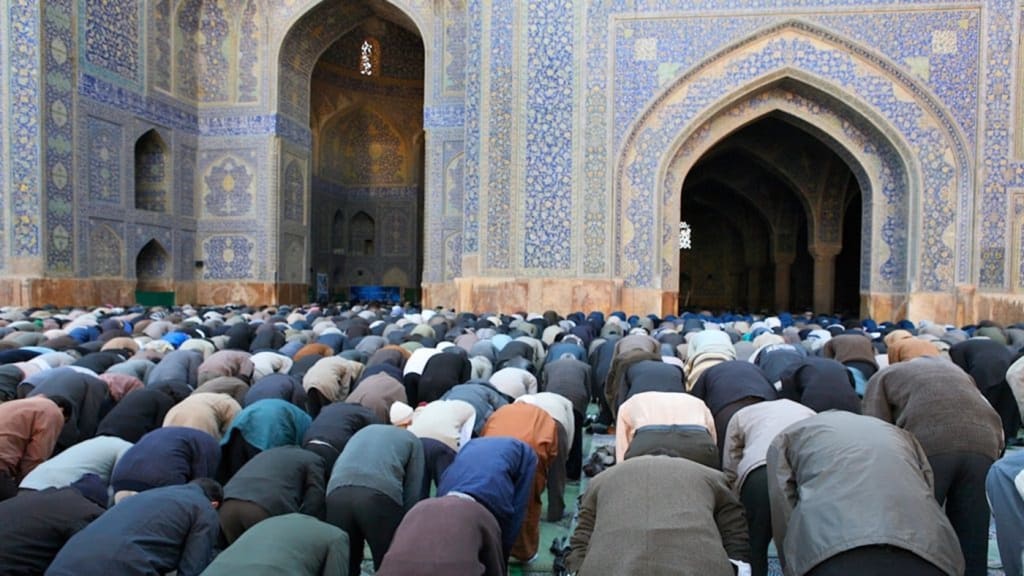
Jumma, or Friday, holds a special place in the hearts of Muslims worldwide. It is more than just a day of the week; it is a time of spiritual renewal, community bonding, and divine blessings. Known as the "weekly Eid," Jumma serves as a sacred opportunity for Muslims to realign their hearts and minds toward Allah and His commands. Its significance is deeply rooted in the Qur’an and Sunnah, making it one of the most cherished days in Islam.
The Significance of Jumma in Islam
The holiness of Jumma is emphasized in the Qur'an, where Allah commands the believers:
“O you who believe! When the call is proclaimed for prayer on Friday (the Day of Assembly), hasten earnestly to the remembrance of Allah and leave off business (and traffic): That is best for you if you but knew!” (Surah Al-Jumu'ah: 62:9).
This verse underscores the importance of prioritizing the remembrance of Allah and attending the congregational Jumma prayer, setting aside worldly distractions. The day is filled with blessings, mercy, and forgiveness, making it an ideal time for Muslims to seek closeness to their Creator.
The Prophet Muhammad (peace be upon him) also highlighted the significance of Jumma in numerous hadiths. In one narration, he stated:
“The best day the sun rises over is Friday; on it Allah created Adam, on it He entered Paradise, and on it He was expelled from it. And the Hour will not be established except on Friday.” (Sahih Muslim).
These profound events in human history demonstrate why Friday holds such an elevated status in the Islamic tradition.
Spiritual Practices on Jumma
To make the most of this holy day, Muslims are encouraged to engage in specific acts of worship and good deeds, as outlined by the Qur’an and Sunnah.
Performing Ghusl (Ritual Bath):
One of the emphasized sunnahs of Jumma is performing a ritual bath, known as ghusl, in preparation for the day. This act symbolizes physical and spiritual purification, ensuring Muslims present themselves in a state of cleanliness before Allah.
Recitation of Surah Al-Kahf:
It is highly recommended to recite Surah Al-Kahf on Friday. The Prophet Muhammad (peace be upon him) said:
“Whoever reads Surah Al-Kahf on the day of Jumma will have a light that will shine from him from one Friday to the next.” (Al-Hakim).
This chapter of the Qur’an serves as a reminder of Allah’s power, mercy, and guidance in overcoming trials.
Attending the Jumma Prayer:
The congregational Jumma prayer is the centerpiece of Friday’s rituals. Muslims gather in mosques to perform this obligatory prayer, listen to the khutbah (sermon), and strengthen their sense of community. The khutbah, often delivered by an imam, serves as a source of knowledge, inspiration, and spiritual reflection.
Sending Salawat Upon the Prophet (PBUH):
Increasing salawat (blessings) upon the Prophet Muhammad (peace be upon him) is a highly recommended practice. The Prophet said:
“Send blessings upon me abundantly on Fridays, for it is a day of witness, and the angels bear witness to it.”
Making Dua and Seeking Forgiveness:
Jumma is a day when duas (supplications) are especially powerful. The Prophet (peace be upon him) said there is a specific hour on Friday when Allah accepts all sincere supplications. While the exact timing is debated, many scholars suggest it could be during the khutbah or the final moments before Maghrib.
Community and Brotherhood on Jumma
Jumma is not just about individual worship; it also fosters a sense of unity and brotherhood among Muslims. When believers gather at the mosque for the congregational prayer, they stand shoulder to shoulder, transcending barriers of race, ethnicity, and social status. This act reflects the Islamic principles of equality and solidarity.
The Jumma prayer serves as a weekly opportunity to strengthen ties within the community. It is a time to check on one another, offer support, and collectively reflect on shared responsibilities as an ummah (Muslim community).
The Rewards of Jumma
The rewards associated with Jumma are immense. Participating in its rituals with sincerity and devotion can bring forgiveness for past sins and countless blessings. The Prophet Muhammad (peace be upon him) said:
“Whoever performs ablution excellently, then comes to the Friday prayer, listens attentively, and remains silent, his sins between that Friday and the next will be forgiven, with the addition of three more days.” (Sahih Muslim).
This hadith highlights the mercy of Allah and the opportunities He provides for believers to purify their souls and start anew.
Dua for Jumma Mubarak
As we embrace the blessings of Jumma, it is essential to make heartfelt duas for ourselves, our loved ones, and the entire ummah. A common supplication for Jumma is:
“O Allah, forgive us our sins, accept our good deeds, and grant us success in this life and the Hereafter. Shower Your mercy upon the entire Muslim ummah and guide us on the Straight Path.”
Praying for others not only strengthens bonds but also increases the likelihood of one’s own prayers being accepted.
Conclusion
Holy Jumma Mubarak is a reminder of Allah’s mercy and the endless opportunities for spiritual growth. It is a day of worship, reflection, and connection—both with Allah and with fellow Muslims. By following the Sunnah and embracing the virtues of this sacred day, believers can draw closer to their Creator and earn rewards that extend far beyond this life.
May we all be granted the ability to honor Jumma with sincerity and devotion, reaping its countless blessings and striving to lead lives that please Allah.
Jumma Mubarak to you and your loved ones!
About the Creator
Md Mostafizur Rahman
I am a simple writer who loves sharing thoughts and stories through honest, relatable words. With a passion for connection, they believe in the power of simplicity to inspire and touch hearts.
Keep reading
More stories from Md Mostafizur Rahman and writers in History and other communities.
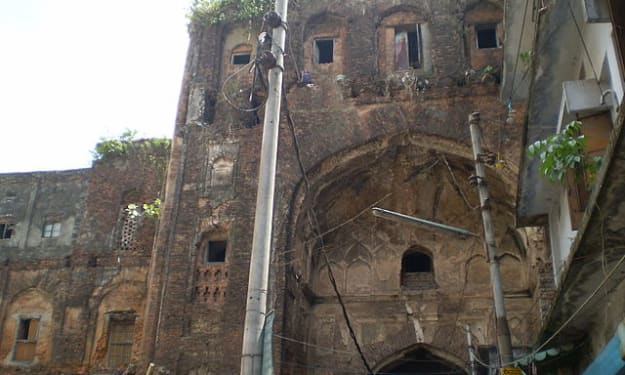
Choto Katra: A Glimpse into Mughal History in Bangladesh
Choto Katra (meaning "Small Caravanserai") is a significant architectural landmark in Dhaka, Bangladesh, offering a window into the Mughal era's rich history and urban planning. Constructed in the 17th century, this structure stands as a testament to the grandeur of Mughal architecture and its influence on the region's cultural and historical fabric.
By Md Mostafizur Rahmanabout a year ago in History
The Year 1883 in Review: Fun Facts, Trivia, and Historic Highlights
This quick read presents a collection of fun facts, trivia, and historical events from the year 1883. Discover the year’s top news stories, most influential people, historic facts, sports trivia, famous weddings, grocery prices, and much more.
By Gregory DeVictor5 days ago in History
TUS NUA - ch 53
TUS NUA – ch 53 New Beginnings – Mia and Midnight (*)(*)(*) Finola knew Ali’s brother-in-law needed to put his mind at rest. She fed her arm through his and led him outside. “We’ll sit here. If you like, I can put a block around us so our conversation will be private.”
By Margaret Brennan5 days ago in Fiction


Comments
There are no comments for this story
Be the first to respond and start the conversation.