
Werwulf: Aaron Taylor-Johnson and Lily-Rose Depp will star in Robert Eggers' horror film
Werwulf will be released on December 25, 2026

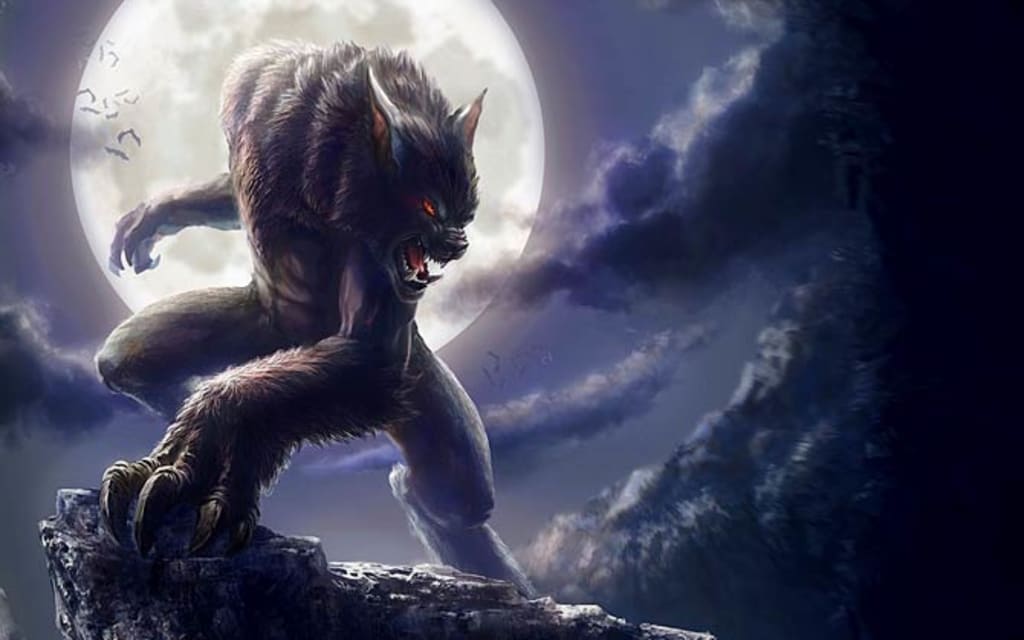
Aaron Taylor-Johnson and Lily-Rose Depp are making headlines as they prepare to reunite with acclaimed director Robert Eggers for his upcoming film, Werwulf. This project marks a continuation of their collaboration following the success of Eggers' recent film, Nosferatu, which was an incredible box office success, being nominated for four Oscars.
Werwulf is described as a gothic horror film set in 13th-century England, featuring elements of witchcraft and Old English dialogue. The narrative will revolve around werewolves, with Taylor-Johnson set to portray the titular character, while Depp is in talks to play his wife.
Eggers has described Werwulf as "the darkest thing I've ever written," indicating a deep exploration of themes related to despair, fear, and the human condition. This aligns with his previous works, which often delve into the psychological and emotional turmoil of characters facing supernatural forces.
Cultural exploration
The film is set in 13th-century England, a time characterized by intense religious fervor and widespread superstition. During this period, many communities were deeply influenced by folklore, witchcraft, and the supernatural. Eggers is expected to depict a society where fear of the unknown drives people to cling to superstitious beliefs, often leading to paranoia and irrational behavior. This backdrop will serve as a fertile ground for exploring how these beliefs conflict with emerging rational thought and early scientific understanding.
The characters in Werwulf will likely embody the tension between superstition and rationality. For instance, the protagonist, who transforms into a werewolf, may struggle with his dual identity, representing the internal conflict between his human rationality and the primal instincts associated with his beastly form. This transformation can symbolize the broader societal fears of losing control to irrational forces, reflecting the struggle between enlightenment and superstition.
As the narrative unfolds, the presence of the werewolf may incite fear and suspicion within the community, leading to witch hunts and scapegoating. This dynamic illustrates how superstition can overshadow rational thought, as villagers may resort to irrational explanations for the creature's existence rather than seeking logical answers. The film could depict scenes where characters grapple with their fears, leading to tragic consequences driven by superstition rather than reason.
Eggers has indicated that the film will feature dialogue true to the period, likely incorporating Old English. This authenticity can enhance the portrayal of the era's mindset, showcasing how language and communication reflect the prevailing superstitions and beliefs of the time. The use of archaic dialogue may also serve to highlight the contrast between the characters' superstitious beliefs and any rational arguments they might encounter.
The film's exploration of werewolf mythology will allow Eggers to delve into the historical roots of lycanthropy, examining how these legends were often intertwined with moral and ethical dilemmas. By grounding the narrative in folklore, Werwulf can illustrate how ancient beliefs about transformation and curses reflect the fears and uncertainties of a society grappling with the unknown.
This horror movie is poised to vividly illustrate the clash of superstition and rationality through its historical setting, character conflicts, and thematic explorations of fear and folklore. This tension will likely serve as a central narrative thread, enriching the film's horror elements with deeper philosophical questions about belief and understanding.
Conclusion
One of the central moral dilemmas in werewolf mythology is the struggle between human nature and primal instincts. Characters may grapple with their dual identities, questioning what it means to be human when they can transform into a beast. This internal conflict raises ethical questions about the nature of good and evil, as well as the consequences of succumbing to one's darker impulses.
The transformation into a werewolf often leads to actions that the human side of the character may not condone. This raises moral questions about guilt and accountability. If a character commits violent acts while in wolf form, to what extent can they be held responsible for those actions? This dilemma can lead to profound explorations of remorse and the struggle for redemption.
About the Creator
Ninfa Galeano
Journalist. Content Creator. Media Lover. Geek. LGBTQ+.
Visit eeriecast ,where you'll find anonymous horror stories from all over the world. Causing insomnia since 2023.
Keep reading
More stories from Ninfa Galeano and writers in Geeks and other communities.
Alice in Borderland Season 3: intriguing narrative that will blow your mind
To the delight of manga fans around the world, Netflix is releasing Alice in Borderland Season 3 on September 25th. In this new installment of the Japanese series, Arisu and Usagi seem to have found tranquility in their day to day, away from the intense games that marked their history. However, a succession of disturbing nightmares and visions makes it clear that their adventure in Borderland has not yet concluded. When Usagi vanishes without explanation, Arisu must return to the underground world of the game, carrying with him a joker that can change the course of the game.
By Ninfa Galeano6 months ago in Geeks
Silver Screen Magic with Mae West
American actress and singer Mae West became a popular film actress during the Great Depression. She started entertaining in vaudeville, then performed on Broadway, and finally went to Hollywood. She signed up with Paramount Pictures and made her debut in the 1932 film “Night After Night.” She also starred in musicals, comedies, and crime dramas. The American Film Institute named her one of the best classic Hollywood actresses.
By Rasma Raisters5 days ago in Geeks
Book Review: "The Descent of Man" by Grayson Perry
Well, I'm back to reading random books. The Descent of Man is one of those books I have never heard of at all, and I even refrained from looking at the blurb. I got it as my free book on a 'buy three get one free' deal and though it's quite short, it has a lot to say about the state of masculinity. This book has been read and reviewed by quite a lot of people so I'm kind of wondering how I missed it when it first came out in 2016. But, as always, Penguin Nonfiction never seems to disappoint - so let's take a look at where Grayson Perry stands on the state of modern masculinity and the ways in which men can improve their relation to their own gender and hopefully, the way in which they interact with the opposite gender.
By Annie Kapur7 days ago in Geeks



Comments
There are no comments for this story
Be the first to respond and start the conversation.