
The Wind in the Willows by Kenneth Grahame
Why It's a Masterpiece (Week 79)

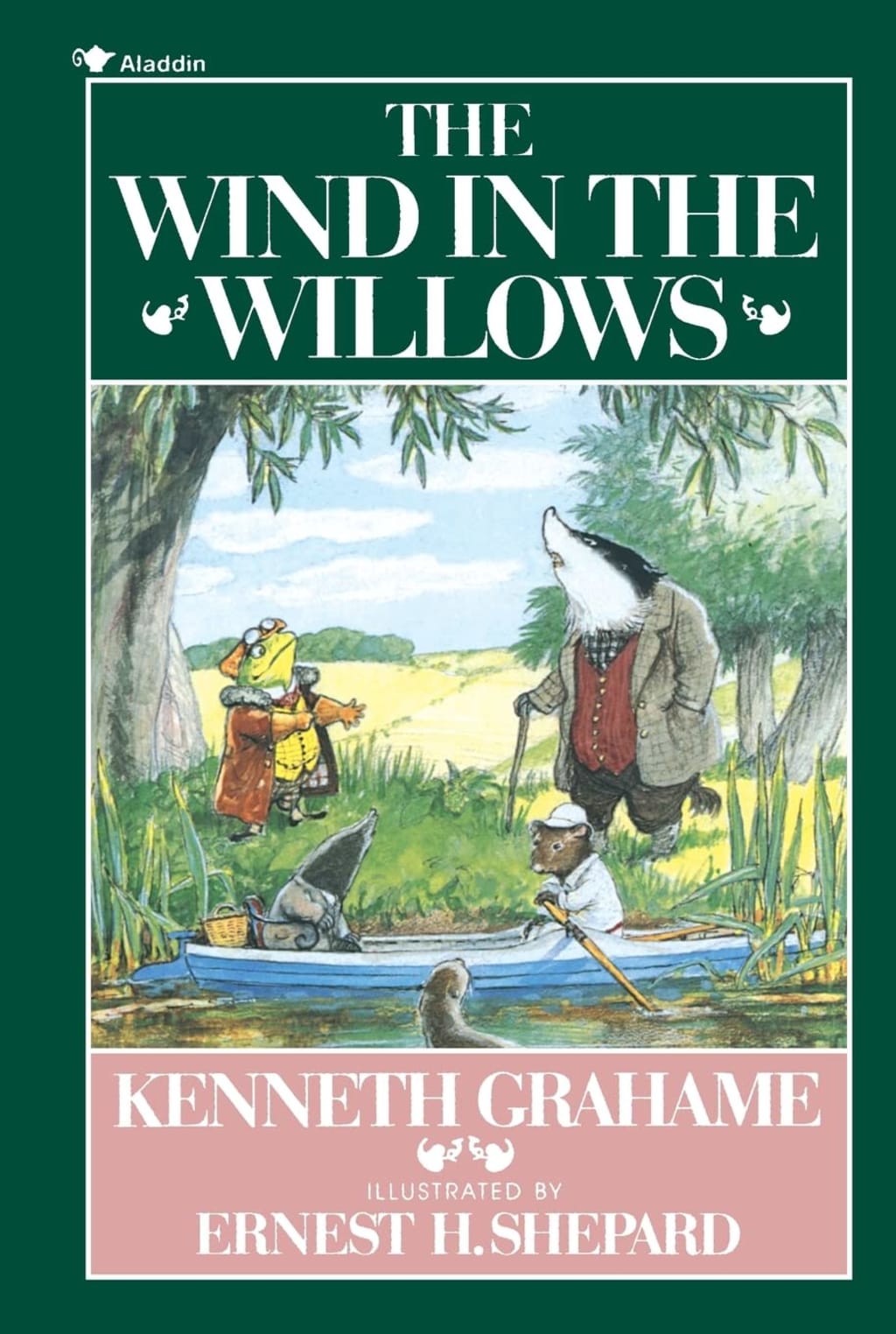
The Wind in the Willows by Kenneth Grahame was first published in 1908 and has since become a timeless classic of children’s literature. Grahame, a Scottish-born author, was working as Secretary of the Bank of England when he began crafting the stories that would form the novel. The tales originated as bedtime stories for his son, Alastair, whom he affectionately nicknamed “Mouse.” Grahame later developed these narratives into letters sent to Alastair during a holiday, creating the whimsical adventures of Mole, Rat, Badger, and the irrepressible Toad.
The book emerged at a time when children's literature was undergoing a significant transformation, shifting from didactic moral lessons to imaginative and entertaining stories. While The Wind in the Willows retained gentle moral themes, its enduring appeal lies in its celebration of friendship, the natural world, and the joy of simple pleasures. Its pastoral setting reflects Grahame’s love of the English countryside, particularly the Thames Valley, where he spent much of his youth.
Upon publication, the book received a mixed critical reception. Some reviewers were puzzled by its mixture of anthropomorphic animal characters, lyrical descriptions of nature, and episodic structure. However, the book quickly found a devoted readership and was championed by figures like A. A. Milne, who later adapted part of it into the successful play Toad of Toad Hall.
Plot
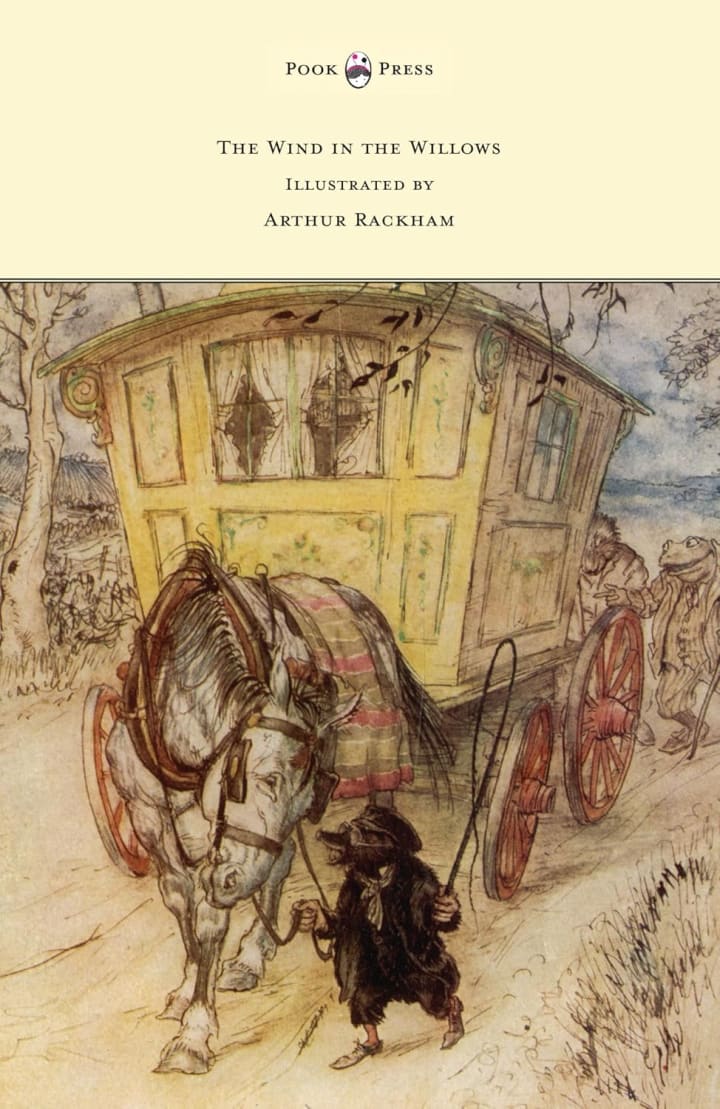
The Wind in the Willows begins with Mole, a gentle and unassuming creature, abandoning his spring cleaning to explore the world above his burrow. Overwhelmed by the beauty of the countryside, Mole befriends the Water Rat (Ratty), a kind and adventurous river dweller. Ratty introduces Mole to the delights of the river, including boating, picnics, and the joy of simple companionship.
The story soon introduces Mr. Toad of Toad Hall, a wealthy but reckless and conceited character who becomes obsessed with motorcars. Despite the warnings of his friends, Toad indulges in increasingly dangerous and foolish behaviour, leading to his arrest after stealing a motorcar. Meanwhile, Mole and Ratty visit the wise and reclusive Badger, who lives deep in the Wild Wood. Together, the friends decide to intervene in Toad’s life to curb his destructive habits and protect him from further trouble.
Toad’s escapades form much of the novel’s comedy. After escaping from prison in a series of disguises, Toad makes a perilous journey back to Toad Hall, where he learns that his ancestral home has been overrun by weasels and stoats from the Wild Wood. Determined to reclaim his estate, Toad joins forces with Mole, Ratty, and Badger in a daring plan to oust the intruders.
In the climactic battle, the friends succeed in driving out the weasels, restoring Toad Hall to its rightful owner. Toad, humbled by his experiences, becomes a reformed character, though his friends remain watchful of his impulsive tendencies.
The novel concludes with a return to the serenity of the riverbank, as Mole and Ratty resume their quiet lives, appreciating the beauty of nature and the enduring strength of their friendships.
Into the Book
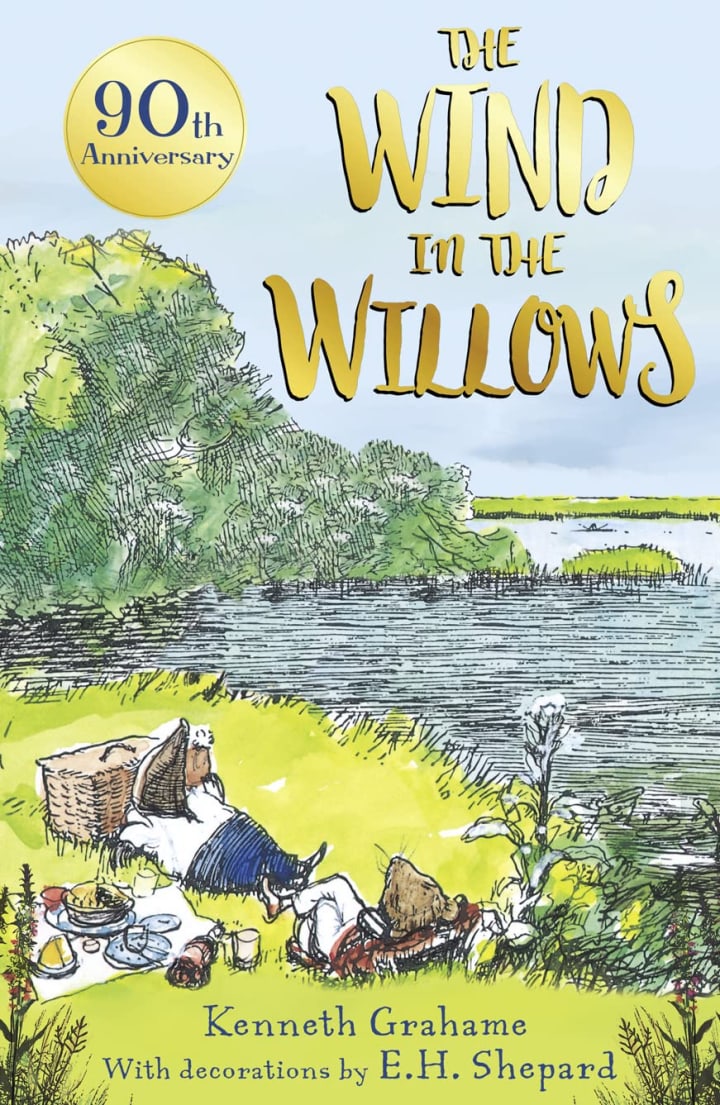
Friendship:
The Wind in the Willows is a story about the bonds of friendship and the loyalty that sustains these relationships. The characters: Mole, Ratty, Badger, and Toad, are very different from one another, yet their camaraderie forms the emotional core of the novel.
Mole and Ratty’s friendship begins with Mole’s curiosity and Ratty’s willingness to share his love of the river. Ratty’s kindness is evident when he reassures Mole: “Believe me, my young friend, there is nothing—absolutely nothing—half so much worth doing as simply messing about in boats.” Ratty’s generosity and patience reflect the ideal qualities of friendship, as he guides Mole through new experiences.
Their loyalty is most clearly tested with Toad, whose reckless behaviour strains their goodwill. Despite Toad’s arrogance and repeated blunders, his friends remain steadfast. Badger, the wisest of the group, declares, “It’s my duty to take him in hand and see if I can make something of him.” Their intervention in Toad’s life, particularly in reclaiming Toad Hall, demonstrates how friendship requires sacrifice, understanding, and forgiveness.
By portraying friendship as a source of strength and redemption, Grahame underscores its importance in creating a meaningful life. The loyalty between the characters not only resolves conflicts but also reinforces the themes of home and community.
“Believe me, my young friend, there is nothing - absolutely nothing - half so much worth doing as simply messing about in boats.”
- The Wind in the Willows by Kenneth Grahame
The English Countryside:
Grahame’s love of the English countryside permeates the novel, with the natural world serving as both setting and inspiration. The river, the woods, and the changing seasons are described with lyrical beauty, creating a pastoral idyll that contrasts with the chaos of modern life. The novel’s descriptions of nature are not merely decorative but central to its themes of tranquillity, belonging, and renewal.
The river, in particular, symbolises peace and constancy. Ratty’s deep connection to the water is expressed when he says, “The River...is the friend and comrade of all who take it as it comes, and they who love it best are the ones who go softly.” The river’s gentle flow mirrors the rhythm of the characters’ lives, offering respite from the chaos of Toad’s adventures.
The Wild Wood, in contrast, symbolises danger and the unknown, particularly for Mole, who ventures into it naively and becomes lost. Yet even the Wild Wood, when viewed through Badger’s home, represents a place of refuge and wisdom. Grahame’s portrayal of nature reflects both its beauty and its power, encouraging readers to appreciate its restorative qualities.
“Beyond the Wild Wood comes the Wild World," said the Rat. "And that's something that doesn't matter, either to you or to me. I've never been there, and I'm never going, nor you either, if you've got any sense at all.”
- The Wind in the Willows by Kenneth Grahame
Idleness vs. Responsibility:
Another theme in The Wind in the Willows is the tension between carefree idleness and the responsibilities of adulthood. Toad exemplifies this conflict, as his impulsive and reckless pursuits whether boating, caravanning, or driving motorcars, represent a rejection of responsibility. His behaviour disrupts both his own life and the lives of his friends, culminating in his imprisonment and the loss of Toad Hall.
Toad’s character arc serves as a cautionary tale about the dangers of excess and self-indulgence. When Badger scolds Toad, saying, “You’ve disregarded all the decent laws of society, and you’ve been a disgrace to them,” he highlights the need for personal accountability. Toad’s eventual redemption comes through the intervention of his friends and his acceptance of responsibility.
Mole, in contrast, begins the novel as an innocent figure but matures through his experiences. His journey from curiosity to wisdom reflects the novel’s broader message: that life requires a balance between pleasure and duty. By combining adventure with moments of quiet reflection, Grahame celebrates both the joys of leisure and the fulfilment that comes from meaningful responsibility.
“But Mole stood still a moment, held in thought. As one wakened suddenly from a beautiful dream, who struggles to recall it, but can recapture nothing but a dim sense of the beauty in it, the beauty! Till that, too, fades away in its turn, and the dreamer bitterly accepts the hard, cold waking and all its penalties.”
- The Wind in the Willows by Kenneth Grahame
Why It's a Masterpiece
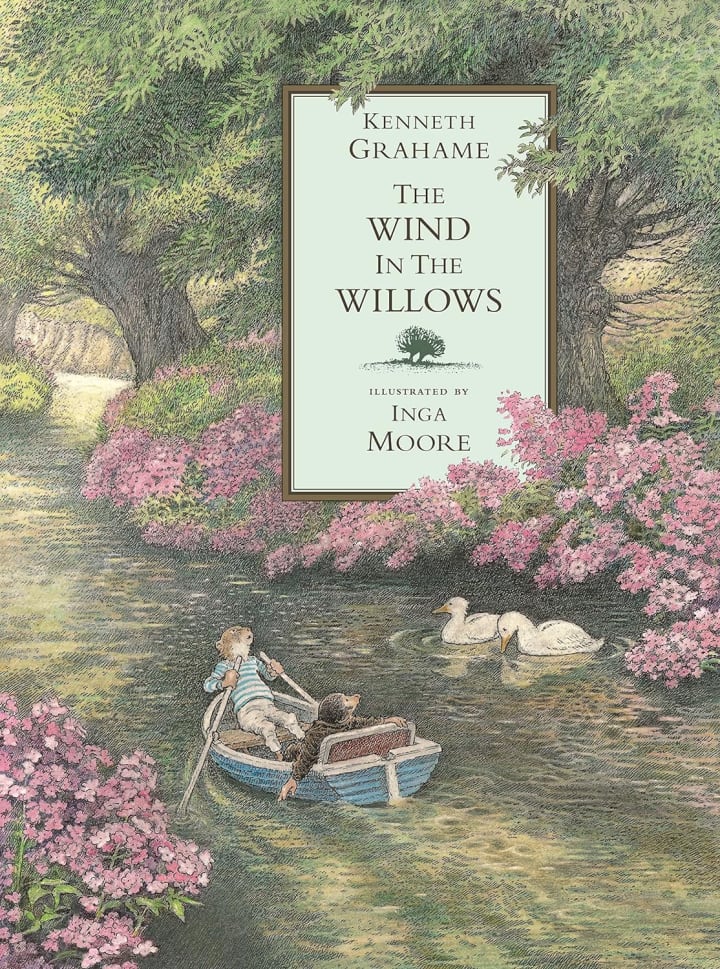
The Wind in the Willows is considered a masterpiece of children’s literature due to its lyrical prose, timeless themes, and rich characterisation. Kenneth Grahame’s ability to combine humour, adventure, and philosophical depth sets the novel apart, making it appealing to both children and adults. Its episodic structure allows for many tones, from the comedic escapades of Toad to the serene and contemplative moments along the river.
The novel’s enduring power lies in its exploration of important themes: friendship, home, and the beauty of nature, while grounding them in a vivid pastoral setting. Grahame’s descriptions of the countryside evoke a sense of nostalgia, offering readers an escape into an idyllic world that feels timeless and restorative.
Also, the characters are richly drawn and memorable. Toad, in particular, remains one of literature’s most beloved comic figures, while Mole, Ratty, and Badger embody qualities of loyalty, kindness, and wisdom. These characters resonate because they reflect the human desire for connection, adventure, and belonging.
Conclusion
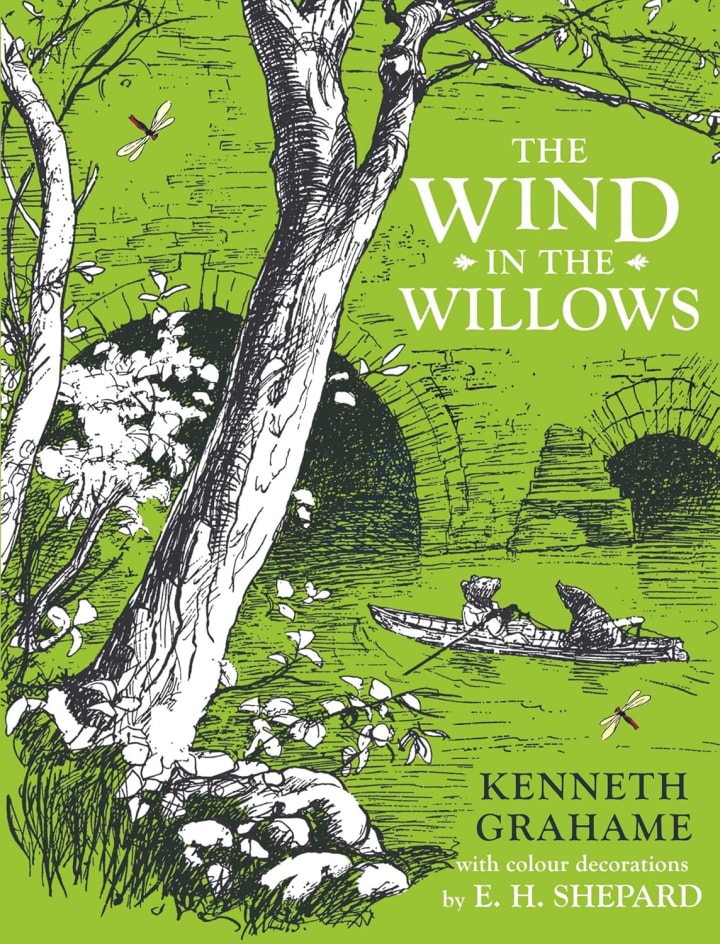
The Wind in the Willows remains a beloved classic because of its gorgeously pastoral themes, engaging characters, and celebration of nature. The novel offers us an escape into a simpler, more idyllic world while addressing universal human experiences. Whether read as a children’s tale or as a philosophical reflection on life’s joys and challenges, this book never fails to take us back to something more quitessentially human - how we perceive and act on happiness through others.
Next Week: Tono-Bungay by HG Wells
About the Creator
Annie Kapur
I am:
🙋🏽♀️ Annie
📚 Avid Reader
📝 Reviewer and Commentator
🎓 Post-Grad Millennial (M.A)
***
I have:
📖 280K+ reads on Vocal
🫶🏼 Love for reading & research
🦋/X @AnnieWithBooks
***
🏡 UK
Keep reading
More stories from Annie Kapur and writers in Geeks and other communities.
Book Review: "Are You Mad at Me?" by Meg Josephson
There's not much of a story behind this one. I found it whilst scrolling on Twitter and then noticed that it was quite pricey on Amazon. I searched around and found it on the internet for a lower price, snagged it and read it on my phone. Meg Josephson's book is about a number of things, but one of the main concepts that is covered is that how trauma changes fundamentally who we are and how we interact with people and our lives. There's so many books on how to 'get better' but not many books that explain what to 'get better' from. It was definitely an interesting read...
By Annie Kapur5 months ago in Geeks
Silver Screen Magic with Mae West
American actress and singer Mae West became a popular film actress during the Great Depression. She started entertaining in vaudeville, then performed on Broadway, and finally went to Hollywood. She signed up with Paramount Pictures and made her debut in the 1932 film “Night After Night.” She also starred in musicals, comedies, and crime dramas. The American Film Institute named her one of the best classic Hollywood actresses.
By Rasma Raisters6 days ago in Geeks
How to Succeed at the Benson Directory®
Congratulations and welcome to the Benson Directory® employee #22391! As our newest call handler, you will have the privilege of speaking with dozens of unique and interesting people on a daily basis as well as the opportunity to earn bonuses for high performance. Contained within this handbook you will find a set of ease to follow instructions designed to help you settle in to your new role and begin paving the way to success.
By S. A. Crawford2 days ago in Fiction




Comments (3)
My intro to this was, unironically, the Disney short film The Adventures of Ichabod and Mr. Toad. Read the book later and found it far superior. A great read as always Annie!
When it comes to “The Wind in the Willows”, I don't need convincing that it's a masterpiece. But I do need convincing that it's been 90 years. WHOA! That's almost a century!
I love this book, and it provided the title for the first Pink Floyd album