
The Pros and Cons of BYOD (Bring Your Own Device) in the Workplace
Balancing Convenience and Security: BYOD in the Workplace

Introduction
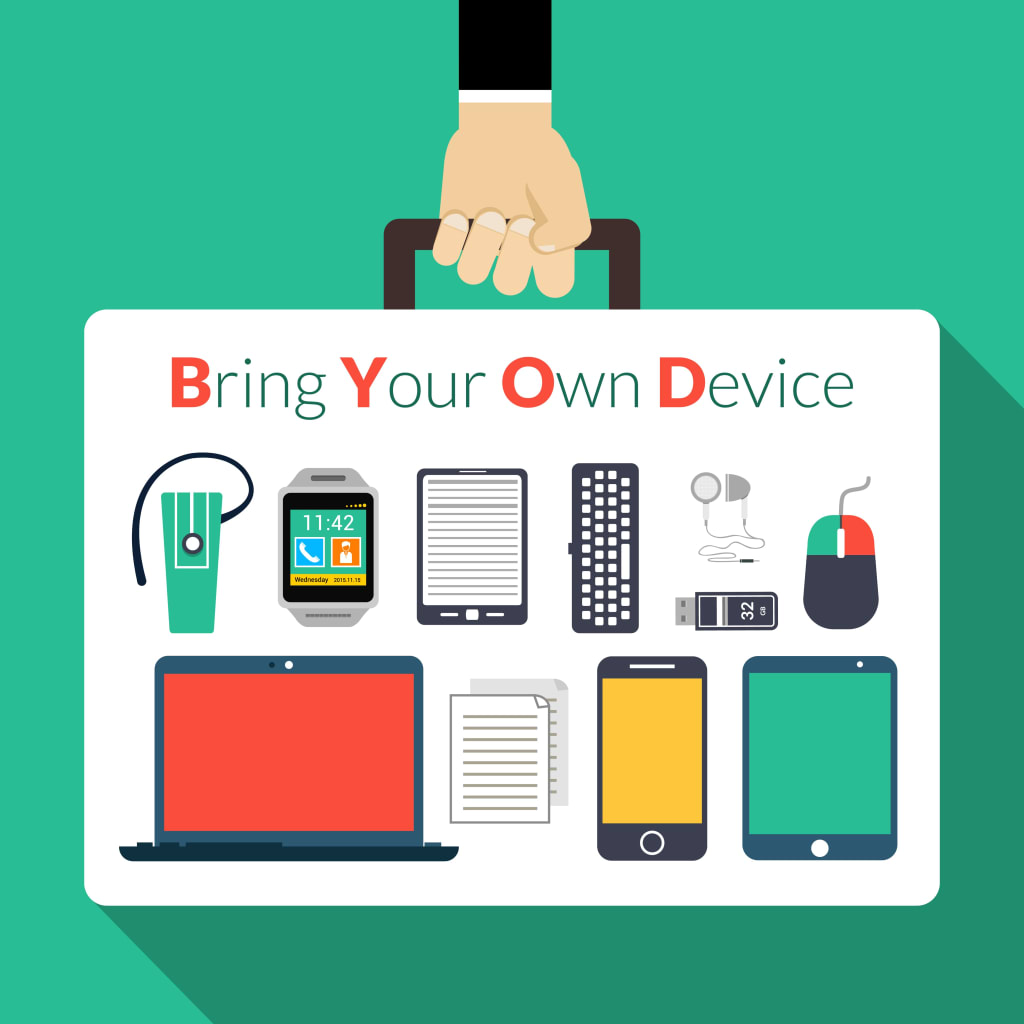
Bring Your Own Device (BYOD) is a practice that allows employees to use their personal devices, such as smartphones, laptops and tablets, for work purposes. In recent years, BYOD has become increasingly popular in the workplace due to its potential to improve employee productivity, reduce costs for employers and enhance employee satisfaction. However, the practice also poses certain risks and challenges, such as security threats, technical issues and compliance with data protection regulations. In this article, we will discuss the pros and cons of BYOD in the workplace and provide best practices for implementing the practice effectively and securely.
Pros of BYOD
Increased flexibility and convenience for employees:
One of the primary benefits of BYOD is that it offers increased flexibility and convenience for employees. With their own devices, employees can work remotely or on the go, which can improve work-life balance and reduce commute time. This can also allow for increased collaboration and communication among team members, regardless of their physical location.
Lower costs for employers:
Another advantage of BYOD is that it can result in lower costs for employers. Since employees are using their own devices, the company does not need to purchase or maintain as much hardware, software, or other equipment. This can result in significant cost savings for the company, especially in terms of IT expenses.
Improved employee satisfaction and productivity:
BYOD can also lead to improved employee satisfaction and productivity. When employees are able to use their preferred devices for work, they may feel more comfortable and engaged in their work. This can lead to higher levels of job satisfaction and motivation, which can in turn lead to increased productivity and better performance. Additionally, since employees can work remotely or on the go, they may be able to complete work tasks more efficiently and effectively.
Encourages innovation and creativity:
Lastly, BYOD can encourage innovation and creativity among employees. When employees are given the freedom to use their own devices and explore different ways of working, they may come up with new and innovative ideas. This can lead to new products, services, or processes that can benefit the company as a whole. Additionally, BYOD can encourage employees to learn new skills and stay up-to-date with the latest technology trends, which can improve their overall job performance and value to the company.
Cons of BYOD
Security risks and concerns:
BYOD presents several security risks and concerns for employers. When employees use their personal devices for work, it can be difficult to ensure that the devices are secure and free from malware or viruses. This can increase the risk of data breaches or cyber-attacks, especially if sensitive or confidential information is stored on the device. In addition, employees may not always adhere to security policies or best practices, which can further increase the risk of security incidents.
Technical challenges and compatibility issues:
Another potential issue with BYOD is the technical challenges and compatibility issues that may arise. Different devices may have varying operating systems, software versions, or hardware configurations, which can make it difficult for employers to manage and support them. For example, an application that works on one employee's device may not work on another's, leading to inconsistencies and inefficiencies in the work process. This can also create additional support and training requirements for IT teams, which can be time-consuming and expensive.
Potential for privacy violations and data breaches:
BYOD can also lead to privacy violations and data breaches, especially if employees store or transmit sensitive or confidential information on their personal devices. This can be problematic if the device is lost or stolen, or if the employee is terminated or resigns from the company. Even if the employer has a policy in place to prevent data breaches, it can be difficult to enforce the policy when the device is not owned or managed by the company.
Lack of control over employee devices and usage:
Another potential downside of BYOD is the lack of control that employers have over employee devices and usage. This can make it difficult to enforce security policies or prevent inappropriate use of company data or resources. Additionally, if an employee leaves the company, it may be difficult to ensure that all company data is removed from their personal device. This lack of control can also make it difficult for employers to maintain compliance with data protection regulations.
Best practices for implementing BYOD in the workplace
In addition to the best practices mentioned above, there are several other key considerations to keep in mind when implementing BYOD in the workplace.
Establishing clear policies and guidelines:
To ensure that BYOD is implemented smoothly and effectively, it is important for companies to establish clear policies and guidelines that outline the expectations and responsibilities of both the company and the employee. This can include guidelines for device usage, data access and sharing, security protocols and employee responsibilities.
Conducting regular security audits and risk assessments:
Another important best practice for implementing BYOD is to conduct regular security audits and risk assessments. This can help to identify potential security threats or vulnerabilities and allow the company to take proactive measures to address these issues. Regular audits can also help to ensure that security protocols are being followed and that data is being properly protected.
Providing employee training and support:
It is also important for companies to provide employee training and support to ensure that employees are knowledgeable about security best practices, data protection regulations and company policies related to BYOD. This can include training on how to use security features on devices, how to identify and report security threats and how to properly access and share data.
Ensuring compliance with data protection regulations:
Finally, it is crucial for companies to ensure compliance with data protection regulations when implementing BYOD. This includes ensuring that employees are aware of the regulations and that company policies align with these regulations. Companies should also take steps to protect sensitive data and ensure that it is not being improperly accessed or shared. Additionally, companies should be transparent about data usage and sharing practices and provide employees with clear guidelines on how to handle data in compliance with regulations.
Conclusion
The pros and cons of BYOD must be carefully weighed before implementing this trend in the workplace. While the benefits of increased flexibility, lower costs, improved employee satisfaction and creativity cannot be ignored, the risks of security breaches, technical challenges and privacy violations must also be considered. It is crucial for employers to establish clear policies and guidelines, conduct regular security audits and risk assessments, provide employee training and support and ensure compliance with data protection regulations when implementing BYOD. By balancing the benefits and risks of BYOD, employers can create a successful and secure BYOD environment that meets the needs of both the company and its employees. We encourage employers to carefully consider whether BYOD is right for their organization and to take the necessary steps to ensure that it is implemented in a secure and effective manner.
About the Creator
Lily James
I am blessed with a funny gene that makes me enjoy life to the fullest.
Keep reading
More stories from Lily James and writers in Geeks and other communities.
High-Performance Laptops for Office: Boost Your Productivity with the Right Device
Introduction In today's fast-paced business world, having a reliable and efficient laptop is crucial for maintaining productivity and staying ahead of the competition. Whether you're a busy professional, an entrepreneur, or a student, finding the right high-performance laptop for office use can make all the difference in your workflow and efficiency. This article will guide you through the key considerations when choosing a laptop for office work and recommend some top-notch options that combine power, portability, and productivity. So, let's dive in and explore the world of high-performance laptops for the office.
By Lily James3 years ago in Geeks
Silver Screen Magic with Mae West
American actress and singer Mae West became a popular film actress during the Great Depression. She started entertaining in vaudeville, then performed on Broadway, and finally went to Hollywood. She signed up with Paramount Pictures and made her debut in the 1932 film “Night After Night.” She also starred in musicals, comedies, and crime dramas. The American Film Institute named her one of the best classic Hollywood actresses.
By Rasma Raisters5 days ago in Geeks
Emma Watson, Sir Lenny Henry and Sir Elton John lead British Diversity Awards
The prizes will be handed out at a glittering ceremony in London on March 25 2026 and Harry Potter actress/activist Watson will compete with Henry and John for the top gong of Media Personality of the Year with the musician competing alongside his husband David Furnish.
By Dena Falken Esq2 days ago in Geeks




Comments (1)
Informative article :) Additionally, I would appreciate it if you could check out my stories, as I am a beginner and would welcome any suggestions about them.