
THE FINAL STAND: DECONSTRUCTING 'THE HOBBIT: THE BATTLE OF THE FIVE ARMIES'
'The Hobbit: The Battle of the Five Armies,' released in 2014, marked the climactic conclusion to Peter Jackson's ambitious adaptation of J.R.R. Tolkien's beloved children's book, 'The Hobbit.'

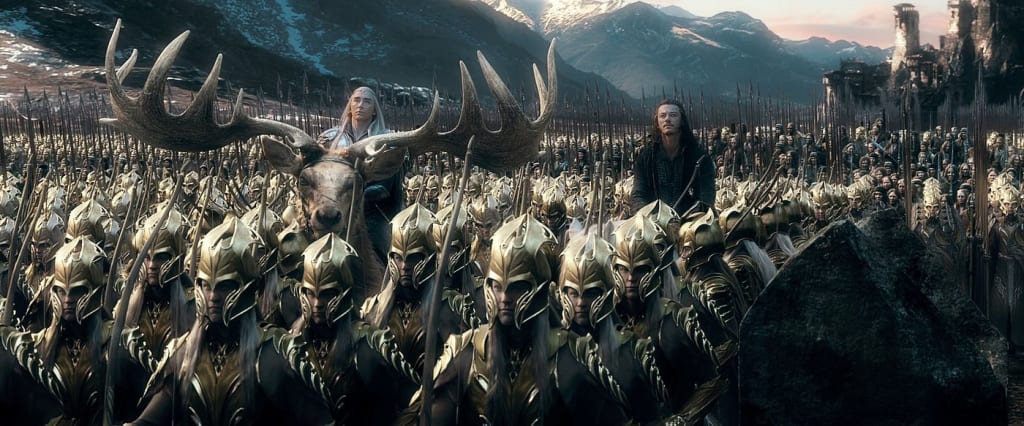
Serving as a direct sequel to 'The Desolation of Smaug,' this film plunges viewers into the epic conflict that erupts in the aftermath of Smaug's fiery demise. With a sprawling narrative scope and a monumental battle at its core, the film promised a spectacular showdown that would tie together the threads of Bilbo Baggins's journey and set the stage for the events of 'The Lord of the Rings.' While facing immense anticipation from fans eager to witness the culmination of the Hobbit trilogy, the film also bore the weight of expectations and the inherent challenges of adapting a relatively short novel into a three-part cinematic saga.
Plot:
'The Battle of the Five Armies' picks up immediately after Smaug's devastating attack on Lake-town. Bard the Bowman, the dragon-slayer, leads the survivors of Lake-town to Erebor, the Lonely Mountain, seeking recompense from Thorin Oakenshield, who is now consumed by "dragon sickness" – a possessive greed for the treasure within. Refusing to share the wealth, Thorin isolates himself and his company of dwarves within the mountain.
Meanwhile, an immense Orc army, led by Azog the Defiler and Bolg, marches towards Erebor, intent on claiming the mountain for Sauron. Thranduil, King of the Elves, also arrives, seeking the jewels promised to him long ago. The stage is set for a tense standoff between dwarves, elves, and men.
As tensions escalate, Bilbo Baggins, using the Arkenstone (a magnificent gem Thorin desperately desires), attempts to negotiate a peaceful resolution by offering it to Bard and Thranduil. However, Thorin's dragon sickness blinds him to reason, and he rejects the offer. A battle seems inevitable.
The arrival of Dain Ironfoot and his dwarf army from the Iron Hills complicates the situation further, triggering the initial skirmishes. Just as the dwarves, elves, and men are about to clash, Gandalf the Grey arrives with crucial information: the Orc army is far larger than anticipated and poses a grave threat to everyone.
A desperate alliance is formed between the elves, dwarves of Dain's company, and men of Lake-town to face the Orcish horde. The ensuing battle is a brutal and chaotic affair, with massive armies clashing in a spectacle of steel and magic.
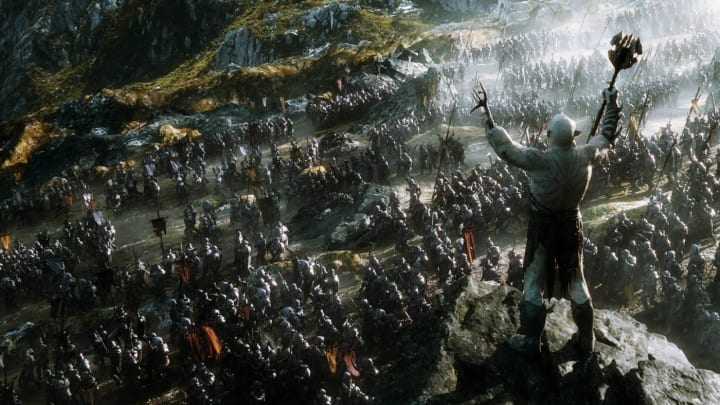
As the battle rages, Thorin, finally shaking off the dragon sickness, leads a small company of dwarves in a strategic attack against Azog on Ravenhill. The confrontation is fierce, resulting in the deaths of Thorin, Fili, and Kili. Azog is defeated, but at a tremendous cost.
Meanwhile, Beorn, a skin-changer who can transform into a bear, and the Eagles arrive to turn the tide of the battle against the Orcs. Bolg is slain, and the remaining Orcs are scattered.
In the aftermath, Bilbo bids farewell to the surviving dwarves, including a now repentant Thorin, before returning to the Shire. He arrives home to find himself presumed dead and his possessions being auctioned off. Bilbo reclaims his life, forever changed by his adventures. The film concludes with Gandalf visiting Bilbo years later, reaffirming their bond and hinting at the greater events to come in 'The Lord of the Rings.'
The narrative style relies heavily on large-scale action sequences and emotional character moments. The film's biggest "twist" lies in the tragic deaths of Thorin and his nephews, a departure from the source material that aimed to heighten the stakes and emotional impact.
Cast:
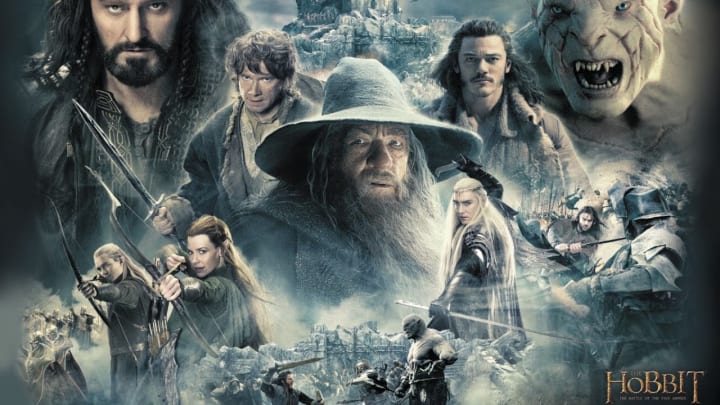
Martin Freeman as Bilbo Baggins: Freeman delivers a nuanced and compelling performance as Bilbo, showcasing his growth from a timid hobbit to a courageous adventurer. His ability to convey both vulnerability and inner strength is a highlight of the film.
Richard Armitage as Thorin Oakenshield: Armitage embodies the tragic figure of Thorin, portraying his descent into greed and his eventual redemption with depth and conviction. His physical presence and commanding demeanor make him a compelling leader.
Ian McKellen as Gandalf the Grey: McKellen reprises his iconic role as Gandalf, providing wisdom and guidance while wielding his considerable magical power. His presence adds gravitas and familiarity to the film.
Luke Evans as Bard the Bowman: Evans portrays Bard as a stoic and determined leader, driven by a desire to protect his people. His archery skills and unwavering resolve make him a formidable hero.
Orlando Bloom as Legolas: Bloom returns as Legolas, showcasing his acrobatic fighting skills and unwavering loyalty to his allies. His presence adds a touch of Elven grace and skill to the battle.
Evangeline Lilly as Tauriel: Lilly portrays Tauriel, a wood-elf warrior, who brings a strong female presence to the ensemble. Her archery skills and forbidden romance with Kili add a touch of drama and emotion.
Lee Pace as Thranduil: Pace captures the aloof and regal nature of Thranduil, the Elvenking. His elegant movements and piercing gaze convey a sense of power and authority.
Reviews:
'The Battle of the Five Armies' received mixed reviews from critics and audiences. While praised for its spectacular visual effects, action sequences, and performances (particularly by Martin Freeman and Richard Armitage), it was criticized for its bloated runtime, excessive CGI, and deviations from the source material.
Some critics felt that the film prioritized spectacle over substance, sacrificing character development and narrative depth in favor of massive battle scenes. Others argued that the expanded narrative and additions to the story diluted the original simplicity of Tolkien's tale.
However, many viewers enjoyed the film as a thrilling and visually stunning conclusion to the Hobbit trilogy. They praised the epic scale of the battle, the emotional performances, and the satisfying resolution of the storyline.
Production:
The production of 'The Battle of the Five Armies' was a massive undertaking, involving hundreds of crew members, thousands of extras, and cutting-edge visual effects technology. The film was shot in New Zealand, utilizing a combination of practical sets and digital environments.
Originally, Peter Jackson had planned for the Hobbit adaptation to be only two parts, but a third film was commissioned during production. The decision to divide the story into three parts added to the production cost, but it also allowed for a more comprehensive exploration of the characters and events.
Writing and Casting:
The screenplay for 'The Battle of the Five Armies' was written by Fran Walsh, Philippa Boyens, Peter Jackson, and Guillermo del Toro (who was originally attached to direct the films). The writing process involved expanding upon the events of Tolkien's novel and adding new elements to create a more cinematic and dramatic experience.
The casting process was meticulous, with the filmmakers seeking actors who could embody the iconic characters of Middle-earth. Martin Freeman was chosen for the role of Bilbo Baggins due to his ability to convey both the character's naivety and his growing courage. Richard Armitage was selected for Thorin Oakenshield because of his commanding presence and his ability to portray both the character's strength and his vulnerability.
Principal Photography:
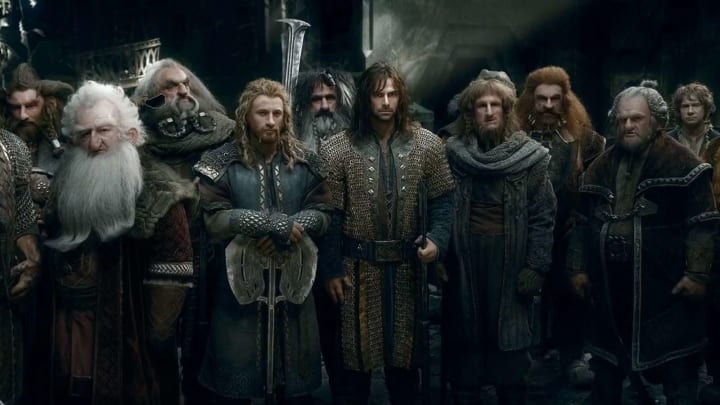
Principal photography for 'The Battle of the Five Armies' took place in New Zealand over a period of several months. The filming process was challenging, involving complex stunts, large-scale battle sequences, and the use of motion capture technology for the creation of digital characters.
One funny behind-the-scenes incident involved Benedict Cumberbatch, who voiced and motion-captured Smaug. He reportedly crawled around the set on all fours, mimicking the dragon's movements, much to the amusement of the cast and crew. Also, during the heavy filming, Ian McKellen and Martin Freeman would often play pranks and tell jokes to lighten the mood.
Production Design:
The production design of 'The Battle of the Five Armies' was crucial in creating the immersive world of Middle-earth. The set design was elaborate, featuring detailed recreations of Erebor, Lake-town, and the surrounding landscapes.
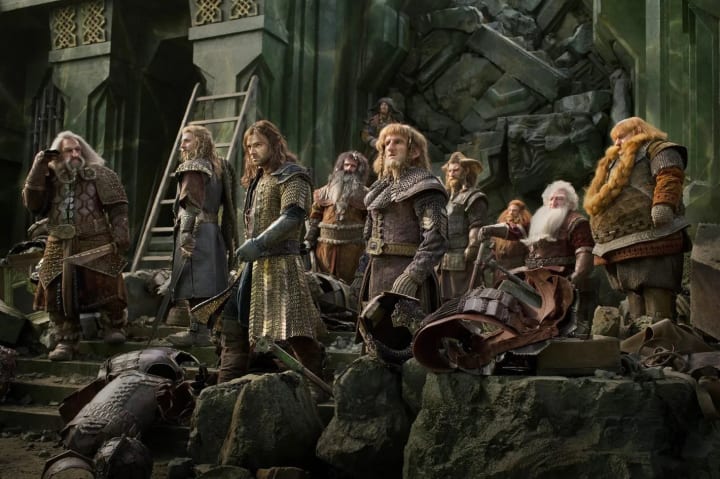
The costumes were equally impressive, with each character's attire reflecting their status and personality. The dwarves' armor was intricately crafted, the elves' robes were elegant and flowing, and the men's clothing was practical and functional.
The visual aesthetics of the film were stunning, with vibrant colors, breathtaking landscapes, and meticulously crafted visual effects. The overall look of the film was designed to be both realistic and fantastical, creating a world that felt both believable and magical.
Sound Design & Music:
The sound design of 'The Battle of the Five Armies' was crucial in creating the immersive atmosphere of the film. The sound effects were powerful and realistic, bringing the sounds of battle, the roar of dragons, and the whispers of the wind to life.
The musical score, composed by Howard Shore, was epic and emotional, enhancing the dramatic impact of the film. Shore's music perfectly captured the spirit of Tolkien's world, evoking a sense of wonder, adventure, and tragedy.
Visual Effects:
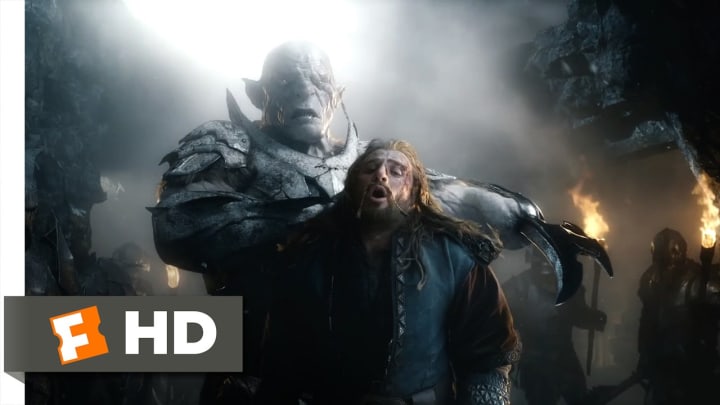
The visual effects in 'The Battle of the Five Armies' were state-of-the-art, pushing the boundaries of what was possible in cinematic storytelling. The film featured massive armies of Orcs, towering trolls, and the majestic dragon Smaug, all brought to life through computer-generated imagery.
The visual effects were seamlessly integrated into the film, creating a believable and immersive world. The battle sequences were particularly impressive, showcasing the scale and intensity of the conflict.
Influences:
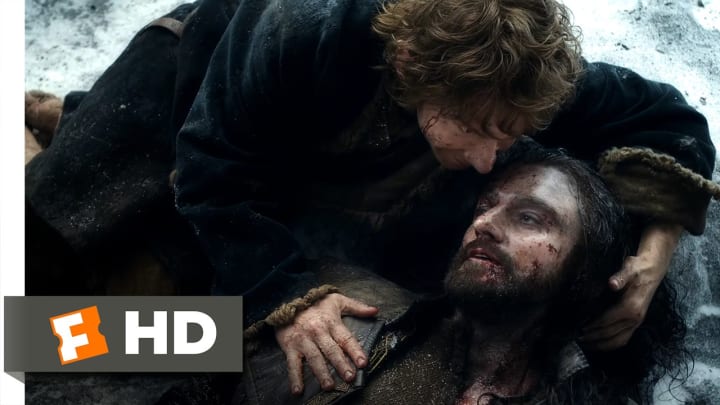
'The Battle of the Five Armies,' like the other films in the Hobbit trilogy, draws heavily from J.R.R. Tolkien's literary works. The film also incorporates elements from Norse mythology, medieval history, and Arthurian legends, creating a rich and complex tapestry of influences.
Scientific Knowledge :
While 'The Battle of the Five Armies' is primarily a fantasy film, it incorporates some elements of scientific knowledge. For example, the physics of archery are accurately depicted in the film, with characters accounting for gravity and wind resistance when shooting arrows. Additionally, the film portrays the geological formations of Middle-earth in a realistic manner.
Marketing, Release & Box Office:
The marketing campaign for 'The Battle of the Five Armies' was extensive, featuring trailers, posters, TV spots, and social media promotions. The film was heavily promoted as the epic conclusion to the Hobbit trilogy, generating immense anticipation among fans.
The film was released in theaters worldwide in December 2014 and was a box office success, grossing over $956 million worldwide. While its gross was impressive, it did fall short of some projections and underperformed compared to the previous two Hobbit films. The film's marketing, targeted at both fans of Tolkien and general moviegoers, ensured a wide reach and significant financial returns.
Critical Responses:
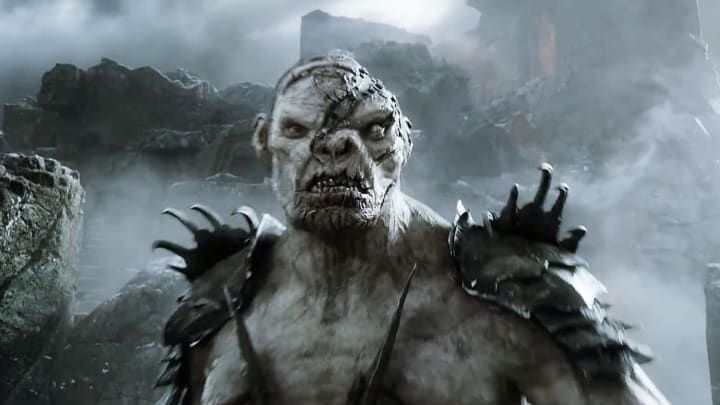
Ultimately, 'The Battle of the Five Armies' remains a divisive film. While celebrated for its visual spectacle and epic scale, it also faced criticism for its narrative departures from the source material, its reliance on CGI, and its perceived excesses. Despite the mixed reviews, the film provided a satisfying conclusion to the Hobbit trilogy, showcasing the bravery and resilience of its characters in the face of overwhelming odds. Though debated, its place in cinematic history is secured as a visually stunning and ambitious adaptation of a beloved literary work.
About the Creator
Xavier
Global news reporter covering science, tech, environment, Entertainment & sports. Delivering balanced insights to inform and inspire readers worldwide. Sometimes a poet.
A System That Isn’t Working Challenge Winners
Systems promise order. They organize behavior, distribute opportunity, and suggest that if everyone follows the rules, things will work. The entries in A System That Isn’t Working look closely at what happens when that promise begins to slip.
By Vocal Curation Team4 days ago in Resources



Comments (1)
Nice work! I really enjoyed this. Keep up the good work.