
The Final Role Chadwick Boseman Played While Fighting for His Life
He didn’t ask for sympathy. He gave us something better: a legacy that lives beyond the silence. By Muhammad Riaz

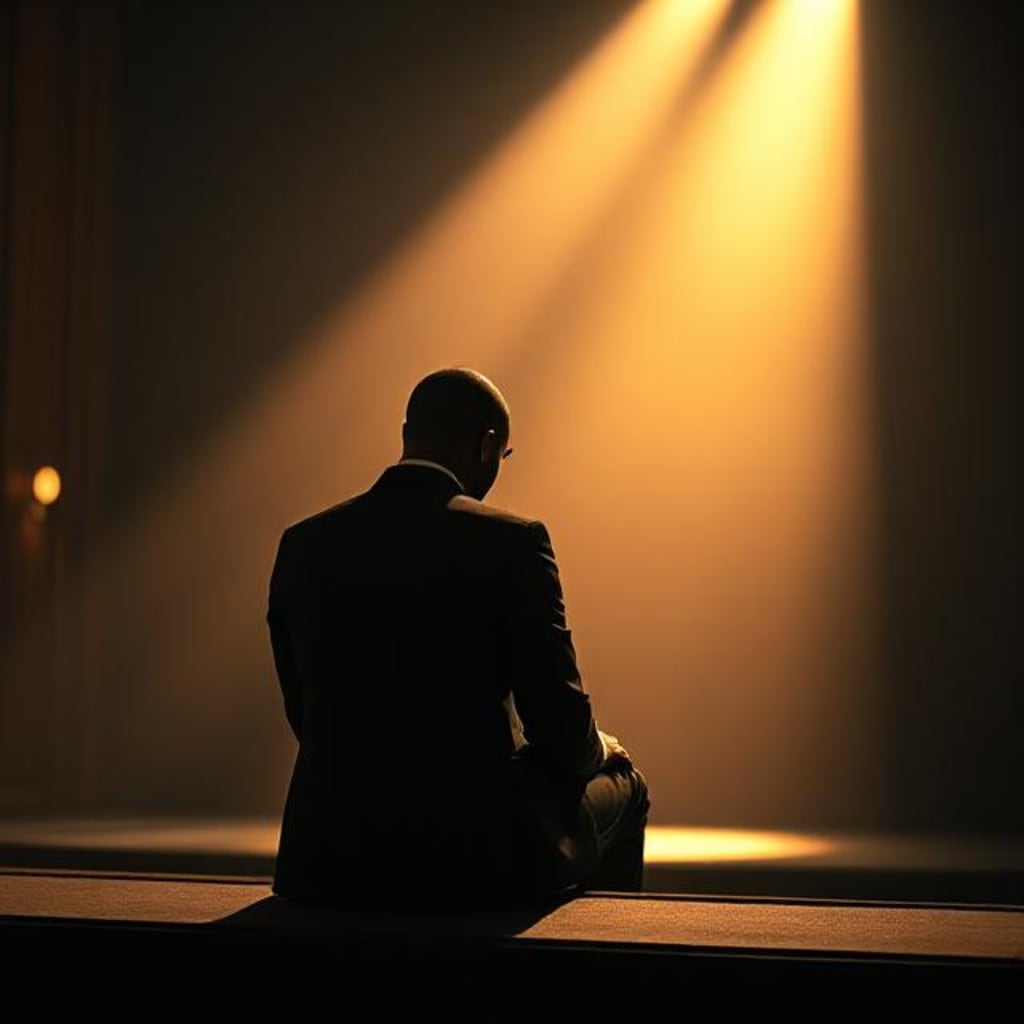
There are some actors who play heroes.
And then there are some who live like one.
When Chadwick Boseman stepped into the role of King T’Challa in Black Panther, the world saw a strong, regal figure on screen. But behind that suit of vibranium, behind the camera flashes and red carpets, was a man fighting the toughest battle of his life — and he chose to fight it in silence.
In 2016, Chadwick was diagnosed with stage 3 colon cancer. Over the next four years, while his disease quietly progressed to stage 4, he kept working. No one knew. Not the directors, not the cast, not the fans. He kept the pain to himself, not because he wanted to hide, but because he wanted the work to shine brighter than the struggle.
And it did.
---
🎬 His Final Performance Wasn’t Just Acting
In Ma Rainey’s Black Bottom, his last film before passing, Chadwick gave what many call his most emotional performance. He played Levee Green — a trumpet player full of passion, ambition, and pain. The film, adapted from August Wilson’s 1982 play, is set in 1927 and centers around racial tensions, dreams, and the harsh realities of Black artists trying to find their place in a white-controlled world.
Levee wasn’t just a character. He was a vessel for something much deeper.
There’s one particular scene where Levee breaks down, shouting at God, questioning why so much pain has been placed on his shoulders. His face is twisted in agony, his voice shaking, and for a moment, it’s no longer a role. It feels real.
And it was.
What we didn’t know at the time was that Chadwick was using every ounce of energy he had left. He filmed those scenes while going through chemotherapy, while experiencing fatigue, weight loss, and physical pain that most of us will never understand. And yet, he stood tall. He gave everything to the role.
Not for fame. Not for awards.
But because he believed the story needed to be told.
---
🤐 He Chose Silence, Not Out of Fear — But Out of Strength
In today’s world, many people share every detail of their lives. But Chadwick made a different choice. He didn’t want the world to see him as a cancer patient. He didn’t want the story to be about his sickness.
He wanted the story to be about the story.
Even his closest colleagues had no idea. Viola Davis, who starred alongside him, said she was stunned when she heard the news of his passing. “He suffered silently,” she said. “But he never once complained. He came to work ready.”
That’s what made him different.
He didn’t use his struggle to gain sympathy or attention.
He used it to fuel his purpose.
There’s a beautiful lesson in that — one that aligns deeply with the values of Islam. In our faith, patience (sabr) during hardship is not just a virtue. It’s a mark of true strength. The Prophet Muhammad (peace be upon him) said, “Verily, with hardship comes ease.” Chadwick embodied this through his quiet perseverance.
---
🕊️ His Death Shocked the World — And Taught Us Something
When news broke on August 28, 2020, that Chadwick Boseman had died at the age of 43, it didn’t feel real. Twitter exploded. Fans cried. Tributes poured in from around the world.
How could someone so alive, so full of promise, be gone?
And then, when people learned that he had been battling cancer for years — while filming Black Panther, 42, Da 5 Bloods, and Ma Rainey’s Black Bottom — the shock deepened.
He didn’t just act during that time.
He trained. He did action scenes. He visited children with cancer. He made speeches about legacy, purpose, and responsibility.
One of his most famous quotes comes from a speech he gave to students at Howard University, his alma mater:
“Purpose is an essential element of you. It is the reason you are on the planet at this particular time in history.”
He lived those words until his final breath.
---
🌿 A Legacy That’s Halal and Honorable
As someone who values earning halal income and sharing stories that align with Islamic values, I found Chadwick’s journey deeply inspiring. There’s no haram in honoring a man’s strength. There’s no wrong in telling the truth about someone who chose faith, silence, and purpose over pity.
He didn’t glamorize evil. He didn’t promote anything immodest or forbidden. He left behind a story of resilience, creativity, and dignity.
Even in death, he reminded us: it’s not how long you live.
It’s what you do with the time you're given.
---
💬 One Final Thought
It’s easy to forget that behind every actor is a real person. And sometimes, behind the strongest smile is the deepest pain.
Chadwick Boseman didn’t want to be remembered as a man who died young.
He wanted to be remembered as a man who lived with meaning.
And that, he did.
---
About the Creator
Muhammad Riaz
- Writer. Thinker. Storyteller. I’m Muhammad Riaz, sharing honest stories that inspire, reflect, and connect. Writing about life, society, and ideas that matter. Let’s grow through words.
Keep reading
More stories from Muhammad Riaz and writers in Geeks and other communities.
Chadwick Boseman: A Hero On and Off the Screen
To millions, he will always be remembered as King T’Challa, the Black Panther — a Marvel superhero who inspired generations with his dignity, courage, and wisdom. But beyond the silver screen, Chadwick’s true story was even more heroic. It wasn’t about superpowers or box office numbers. It was about resilience, humility, and the quiet strength of a man who faced death with grace while giving life to roles that touched the world.
By Muhammad Riaz5 months ago in Geeks
Silver Screen Magic with Mae West
American actress and singer Mae West became a popular film actress during the Great Depression. She started entertaining in vaudeville, then performed on Broadway, and finally went to Hollywood. She signed up with Paramount Pictures and made her debut in the 1932 film “Night After Night.” She also starred in musicals, comedies, and crime dramas. The American Film Institute named her one of the best classic Hollywood actresses.
By Rasma Raisters5 days ago in Geeks


Comments (1)
It seems like Chadwick’s strength, silence, and sense of purpose are a reminder that true heroism often happens far from the spotlight