
Master the art of suspense, fear, and psychological horror in your tabletop RPG sessions.
How to Run a Horror-Themed RPG That Truly Scares Your Players

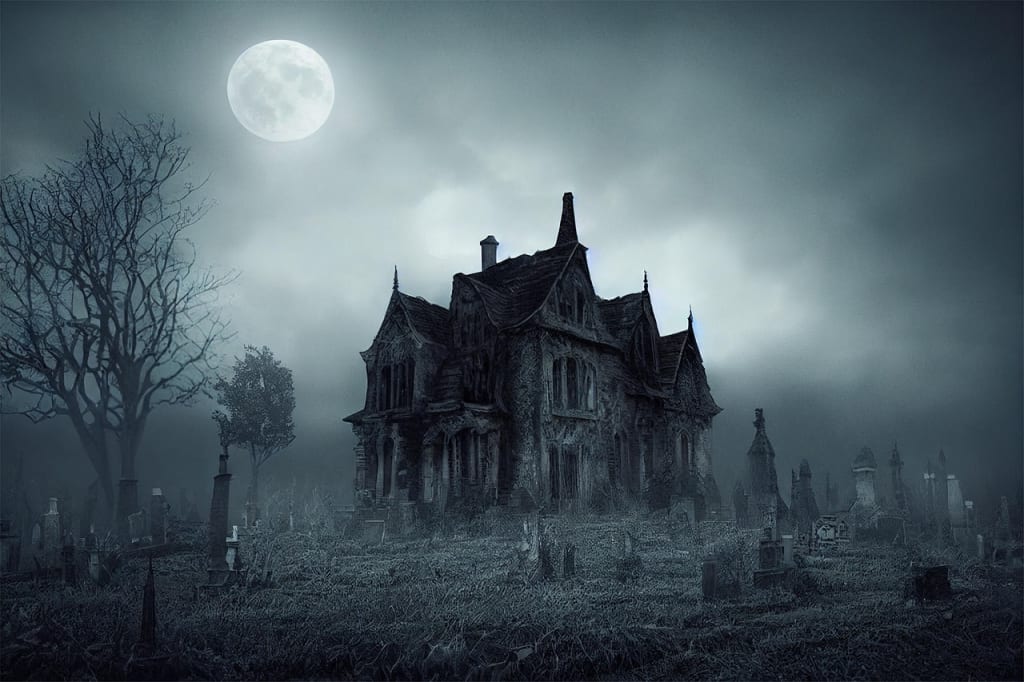
Horror RPGs stand apart from other genres due to their focus on tension, vulnerability, and the unknown. Unlike traditional fantasy or sci-fi adventures, where players often feel powerful and in control, horror thrives on the opposite: helplessness, paranoia, and a creeping sense of dread. A well-executed horror session can leave a lasting impact, making players question their every move. Horror RPGs are not just about monsters and gore—they are about atmosphere, psychology, and storytelling techniques that create an unforgettable experience.
Building the Atmosphere: Setting the Right Mood
A horror RPG is only as good as its atmosphere. Creating an immersive environment is essential to inducing fear and suspense in your players.
Use Lighting and Sound: Dim the lights, use candles, or play eerie background music to set the tone. Silence can be just as powerful as sound. Consider ambient soundtracks from horror films or video games.
Detailed, Sensory Descriptions: Instead of simply stating what players see, describe smells, sounds, and textures to immerse them fully. The more real it feels, the more unsettling it becomes. "You hear a faint whisper, just beyond the candlelight... or was it the wind?"
Pacing and Timing: Let moments of unease linger. Don't rush to reveal the horror; let it slowly creep into the scene. A slow build-up followed by a sudden shock is far more effective than constant action.
Use Props and Physical Cues: Bringing in real-world elements, such as letters, photographs, or even tactile elements like a cold metal key, can enhance immersion.
Fear Through Narrative: How to Tell a Truly Scary Story
A horror RPG thrives on storytelling. How you present information, reveal danger, and escalate tension can make all the difference.
The Power of the Unknown: Fear thrives in uncertainty. Don't give all the answers too soon—let players wonder. A half-seen creature is always scarier than one fully revealed.
Psychological Horror: Use themes of paranoia, isolation, and loss of control to create deeper fear. The human mind fears what it cannot understand.
Inspiration from Horror Media: Take cues from horror films and literature—Lovecraftian dread, supernatural hauntings, or slasher-style tension. Drawing inspiration from classics like Silent Hill, The Thing, or The Blair Witch Project can give you ideas on how to craft truly terrifying moments.
The Slow Burn: Horror isn’t about constant action—it’s about anticipation. Let players sit in unease before revealing the horror. They should feel that something is always just out of sight, watching.
Mechanics That Enhance Fear
Beyond storytelling, the mechanics of the game can reinforce the horror atmosphere.
Sanity and Stress Systems: Games like Call of Cthulhu or Dread use sanity loss to reinforce the fragile state of the characters. Implement similar mechanics in any system to make players feel their character's fear.
Limited Resources: Fear increases when supplies run low—whether it’s ammunition, light sources, or even time. Make players think twice before using a precious resource.
Uncertain Dice Rolls: Hidden rolls or mechanics that leave outcomes unclear can heighten suspense. Having a secret dice roll that only the GM sees can create doubt in players' minds. "Did I succeed... or just delay my doom?"
Perma-Death or Heavy Consequences: If failure truly means something terrifying, players will be more invested. Make death (or worse, survival with consequences) a real threat.
Player Buy-In: Getting Everyone on Board
For horror to work, players need to be invested in the experience.
Session Zero for Expectations: Horror isn’t for everyone. Ensure your players are comfortable with the level of fear and psychological intensity. Discuss boundaries and establish consent before diving into deeply disturbing themes.
Safety Tools: Use tools like the X-Card, Lines and Veils, and open discussion to prevent discomfort that goes beyond fun fear.
Encourage Immersion: If players commit to the tone, the experience becomes significantly more intense. Encourage them to describe their character's fear and reactions rather than simply rolling dice.
Pacing Player Involvement: Some players will engage differently. Give space for those who thrive on horror while ensuring that less expressive players aren’t sidelined.
Common Mistakes and How to Avoid Them
Avoid these pitfalls to ensure a memorable horror session.
Overuse of Gore: Blood and violence can be effective but lose impact if overdone. Psychological horror is often scarier. Fear of the unknown is far more powerful than excessive descriptions of guts and gore.
Making Players Feel Powerless Without Purpose: Taking away all control can lead to frustration rather than fear. Give them just enough agency to make their choices meaningful.
Breaking the Tension Too Often: Humor has its place, but too many jokes can ruin the atmosphere. Find the right balance. A brief laugh can relieve tension, but constant jokes will break immersion.
Forcing Horror Onto Uninterested Players: Not everyone enjoys the horror genre, and that’s okay. If your players aren’t engaged, the horror won’t land. Gauge the table's enthusiasm and adjust accordingly.
Conclusion: Crafting an Unforgettable Horror Experience
A great horror RPG session lingers in the minds of players long after it ends. By carefully building tension, using mechanics that reinforce fear, and ensuring players are engaged in the experience, you can create a truly terrifying game night. The most successful horror campaigns don’t just scare players—they make them feel like they have lived through something unforgettable. Now, go forth and haunt your players’ dreams!
About the Creator
Bounty Hunter
RPG storyteller, worldbuilder and game designer exploring immersive narratives.
Keep reading
More stories from Bounty Hunter and writers in Geeks and other communities.
The Psychology of Immersion: How RPGs Influence Identity and Empathy
Tabletop role-playing games (TTRPGs) offer more than just entertainment—they serve as powerful tools for self-exploration, empathy, and identity formation. Through immersive storytelling and character-driven experiences, players engage in deep psychological processes that shape their perception of themselves and others. But how exactly do RPGs influence identity and foster empathy?
By Bounty Hunter 11 months ago in Geeks
Silver Screen Magic with Mae West
American actress and singer Mae West became a popular film actress during the Great Depression. She started entertaining in vaudeville, then performed on Broadway, and finally went to Hollywood. She signed up with Paramount Pictures and made her debut in the 1932 film “Night After Night.” She also starred in musicals, comedies, and crime dramas. The American Film Institute named her one of the best classic Hollywood actresses.
By Rasma Raisters6 days ago in Geeks




Comments
There are no comments for this story
Be the first to respond and start the conversation.