
The Psychology of Immersion: How RPGs Influence Identity and Empathy
Exploring the Profound Impact of Roleplaying on Personal Growth and Emotional Connection


Tabletop role-playing games (TTRPGs) offer more than just entertainment—they serve as powerful tools for self-exploration, empathy, and identity formation. Through immersive storytelling and character-driven experiences, players engage in deep psychological processes that shape their perception of themselves and others. But how exactly do RPGs influence identity and foster empathy?
The Power of Roleplaying: Stepping Into Another’s Shoes
One of the most defining aspects of RPGs is the ability to assume different identities. Players create and embody characters with unique backgrounds, motivations, and moral codes, allowing them to experience life through a different perspective. This act of role assumption engages cognitive empathy—the ability to understand and anticipate another person's thoughts and emotions.
Neuroscientific studies suggest that when individuals take on roles different from their own, they activate mirror neurons, the same neurological mechanisms responsible for recognizing emotions and intentions in others. This means that by playing an exiled noble seeking redemption or a cunning rogue with a traumatic past, players can better understand the struggles and emotions of people with similar real-life experiences.
Identity Exploration: The Safe Space of RPGs
RPGs provide a low-risk environment where players can experiment with different identities, beliefs, and moral frameworks. In a world where social norms and expectations often dictate behavior, these games allow for unfiltered self-expression and self-discovery.
Many players use RPGs to explore aspects of their identity they might not feel comfortable expressing in real life. Whether through gender expression, moral alignment, or cultural background, roleplaying offers a space where players can test different facets of their personalities without fear of judgment.
Additionally, GMs and players collectively shape narratives that challenge traditional identity structures, encouraging growth and personal reflection. The ability to make meaningful choices within the game reinforces the idea that identity is fluid and adaptable.
Emotional Investment and Narrative Impact
A well-crafted RPG campaign fosters a deep emotional connection between players and their characters. Psychologically, this attachment stems from a combination of self-insertion and narrative empathy. As players invest time in developing their characters, their struggles, triumphs, and failures feel deeply personal.
Stories that include ethical dilemmas, personal relationships, and moments of vulnerability heighten emotional investment. Players often experience real emotional reactions—joy, grief, anger—when significant events unfold in their character's journey. This emotional depth enhances roleplaying immersion and strengthens empathy by allowing players to engage with emotions outside their typical range of experiences.
RPGs as Social and Therapeutic Tools
Beyond personal identity exploration, RPGs serve as social and therapeutic tools. Many therapists and educators use roleplaying exercises to help individuals develop social skills, process trauma, and build self-confidence.
Group storytelling requires cooperation, active listening, and negotiation—essential social skills that translate into real-world interactions. Players must balance their character’s goals with the needs of the group, mirroring real-life social dynamics.
Furthermore, RPGs offer a form of escapism that can be beneficial for mental health. By engaging in a compelling story, players can temporarily step away from real-world stressors, allowing them to process emotions in a structured yet freeing way.
Conclusion: The Psychological Depth of RPGs
RPGs are more than just games—they are immersive experiences that shape the way people understand themselves and relate to others. By providing a space for identity exploration, emotional engagement, and social development, they influence players on a deep psychological level.
Whether used for self-discovery, therapeutic intervention, or simply as a form of engaging storytelling, RPGs continue to prove their power in fostering empathy, creativity, and personal growth. In a world increasingly in need of understanding and connection, roleplaying games serve as a bridge to deeper human experiences.
About the Creator
Bounty Hunter
RPG storyteller, worldbuilder and game designer exploring immersive narratives.
Keep reading
More stories from Bounty Hunter and writers in Geeks and other communities.
The Philosophy of Choice: Moral Dilemmas in Tabletop RPGs
Tabletop role-playing games (TTRPGs) offer a unique space where players can explore ethical dilemmas in a safe and immersive environment. Through narrative-driven decisions, these games challenge players to weigh consequences, question their own values, and engage in deep moral contemplation. But what makes moral dilemmas in RPGs so compelling, and how can game masters (GMs) craft scenarios that leave lasting impacts?
By Bounty Hunter about a year ago in Geeks
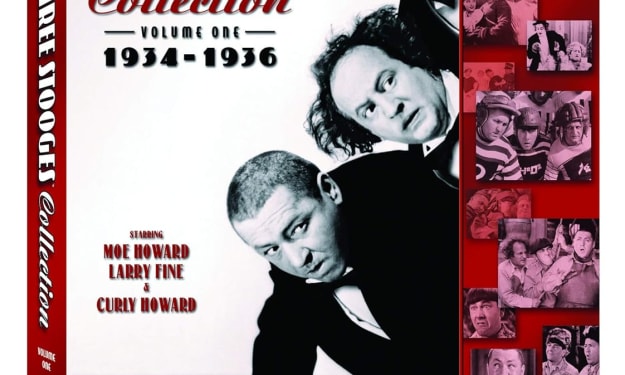
History of The Three Stooges (Part I: The Beginnings and Columbia Pictures - 1920s-1936)
I have been itching to write about The Three Stooges on Vocal for close to two years, but I couldn't figure out how to do it. I wanted to do it by third Stooge, but that's a bit complicated. I know this much. I was about eight or nine years old when I first saw The Three Stooges. I remember one of my local channels had the Stooges on for hours, and I tried my damnedest to be up for those shorts. I remember that the Family Channel actually had an hour of the Stooges on from 11PM to midnight, and it was the entire library on during that time.
By Clyde E. Dawkins4 days ago in Geeks
Psych: The running joke of Gus looking like Bud from The Cosby Show
Binge-watching Psych on Peacock, I realized how often Burton Guster (Dulé Hill) was asked if he were Bud/Kenny (Dion Richmond) from The Cosby Show. The fans noticed the resemblance from day one and often pointed out that Hill and Richmond looked alike.
By Cheryl E Preston7 days ago in Geeks
Hottest in the Office
Dear Rafi, You’re very distracting to work around. For the first second I saw you the other day, I thought you were some type of executive. It took a moment to realize no, you were just the new guy, dressed up for the job he wants. Be still, my heart.
By Gabriel Shames6 days ago in Pride



Comments
There are no comments for this story
Be the first to respond and start the conversation.