
I Faked My Own Breakup Online—Here’s What It Taught Me About Love and Attention
What It Taught Me

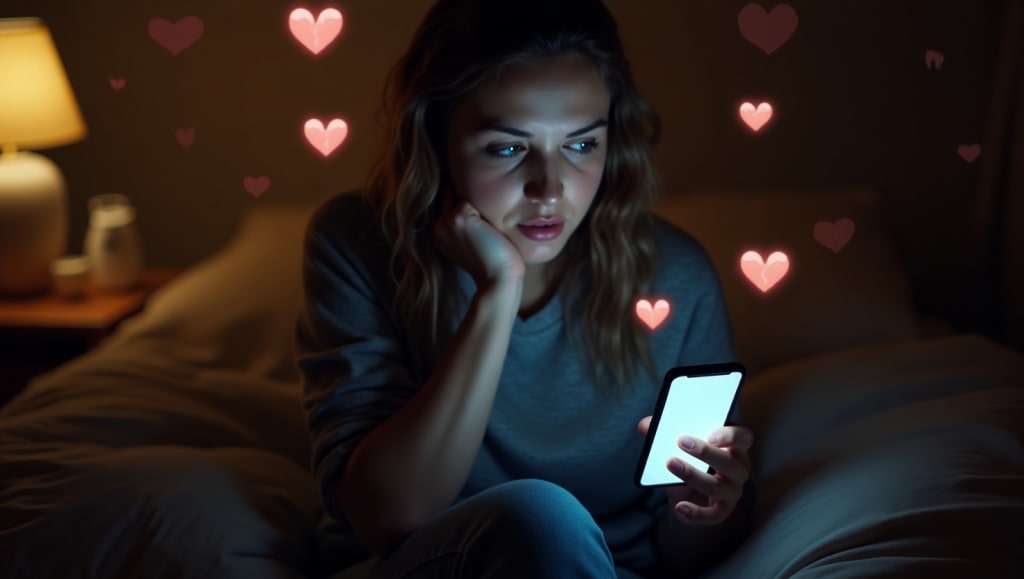
It started as a joke—something I blurted out over dinner to my best friend after yet another couple we followed posted a dramatic breakup announcement on Instagram. “What if I faked my own breakup online just to see how people react?” I laughed, swirling the last sip of wine in my glass. But deep down, I was curious. Not just about how people would respond—but why.
So I did it.
I staged a fake breakup with my boyfriend (who was in on it). We carefully curated sad quotes, ambiguous photos, and cryptic captions. The entire thing was a social experiment—a test to see what happened when we fed the attention economy exactly what it craved: heartbreak, drama, and vulnerability.
What I learned shook me more than I ever expected.
The Setup: Faking the Fallout
We planned it for two weeks.
I archived most of our couple photos. Then came the Instagram Story: a grainy black-and-white image of my hand holding a glass of wine, with a Lana Del Rey lyric overlay—“Don’t ask if I’m happy, you know that I’m not.”
The comments came fast. Friends messaged me privately. Some dropped heart emojis. Others offered “support.” A few asked if they should unfollow him. One person even wrote, “Knew it wouldn’t last.”
We had posted just enough curated perfection for people to assume they knew our love story. So when we pulled the rug, they felt involved. And they reacted like they were.
What Went Viral: Sadness Sells
Within 48 hours, I gained 327 new followers.
People shared my posts, messaged me support, and tagged me in quotes about self-worth and healing. The engagement was unreal. My story views doubled. A sad mirror selfie captioned “Taking it one day at a time” became my most-liked post in a year.
Here’s the wild part—I hadn’t actually lost anything. But people treated me like I had. They rewarded my perceived sadness with attention, sympathy, and clout.
It felt... addictive.
And disturbing.
The Psychology Behind It: Why We Watch Love Fall Apart
Why does heartbreak draw so much engagement online? According to psychologists, it’s partly because we’re wired for emotional storytelling. Breakups offer narrative tension, drama, and rawness—all highly digestible in the quick-scroll social media format.
In the attention economy, sadness sells. But not just any sadness—aesthetic sadness. Polished grief. Controlled chaos. If your pain is packaged beautifully enough, it becomes content. And content earns currency.
My fake breakup hit all the right notes for people to care—vague but juicy, emotional but not messy. It was made to perform.
And that scared me.
Behind the Screens: Who Actually Reached Out
You’d think close friends would call or ask what happened. But the truth? Most interactions stayed in DMs and likes. The “real” concern was mostly passive.
People shared my posts, reposted my captions, but few checked in offline. My own mother texted, “Are you okay?”—but never called. It made me realize: many people don’t want to support you; they want to observe you.
Social media has blurred the lines between empathy and entertainment.
The Wake-Up Call: Am I Addicted to Validation?
A week in, I started to believe the lie myself.
I felt emotionally drained. I checked my notifications obsessively. I stayed up at night wondering if I had gone too far. Was I manipulating people’s kindness? Was I becoming addicted to attention disguised as sympathy?
The fake breakup revealed an ugly truth: I was more affected by online engagement than I wanted to admit. The dopamine rush from likes and comments felt more validating than the steady, quiet love I had in real life.
And I hated that realization.
Coming Clean: The Aftermath
Ten days after our “split,” I posted a carousel of happy couple photos with a caption: “Sometimes, the best lessons come from experiments. We never broke up. But we saw what happens when we pretend we did.”
The response?
Mixed.
Some people applauded me for the bold experiment. Others unfollowed. A few accused me of manipulating emotions for attention. One girl wrote: “This is exactly why people don’t trust social media anymore.”
And maybe she’s right.
What I Learned About Love, Attention, and the Algorithm
Here’s what my fake breakup taught me:
- People crave emotional content—even if it’s not real.
- Sympathy and attention are not the same as support.
- The algorithm favors drama over authenticity.
- Real love is quiet, consistent, and often invisible online.
- Validation from strangers can never replace connection with someone who knows you offline.
Most importantly, I learned that the realest parts of life are often the ones we don’t post. My relationship, flawed and beautiful as it is, doesn’t need the world’s approval to be valid.
Final Thoughts:
Would I do it again?
No.
The cost of temporary attention was emotional whiplash and a messy look in the mirror. But I’m grateful for the lesson. It showed me how easy it is to lose yourself in the game of likes—and how powerful it is to walk away from it, still holding someone’s hand in real life.
And that, ironically, is the kind of love no algorithm can measure.
About the Creator
Vincent Otiri
I'm a passionate writer who crafts engaging and insightful content across various topics. Discover more of my articles and insights on Vocal.Media.
Keep reading
More stories from Vincent Otiri and writers in Geeks and other communities.
Silver Screen Magic with Mae West
American actress and singer Mae West became a popular film actress during the Great Depression. She started entertaining in vaudeville, then performed on Broadway, and finally went to Hollywood. She signed up with Paramount Pictures and made her debut in the 1932 film “Night After Night.” She also starred in musicals, comedies, and crime dramas. The American Film Institute named her one of the best classic Hollywood actresses.
By Rasma Raisters6 days ago in Geeks
Ikkis and Dhurandhar Should Co-Exist in a Democracy’: Writers on Facing Trolls and Working With Dharmendra
In an era where social media commentary often overshadows artistic discourse, the creators of the upcoming film Ikkis have opened up about navigating public scrutiny, collaborating with Bollywood legend Dharmendra, and defending the democratic spirit of storytelling. The film, which blends political satire with action-driven drama, has sparked discussions not only about its cinematic merit but also about the broader responsibilities of filmmakers in a politically aware society.
By Fiaz Ahmed Brohi3 days ago in Geeks


Comments
There are no comments for this story
Be the first to respond and start the conversation.