

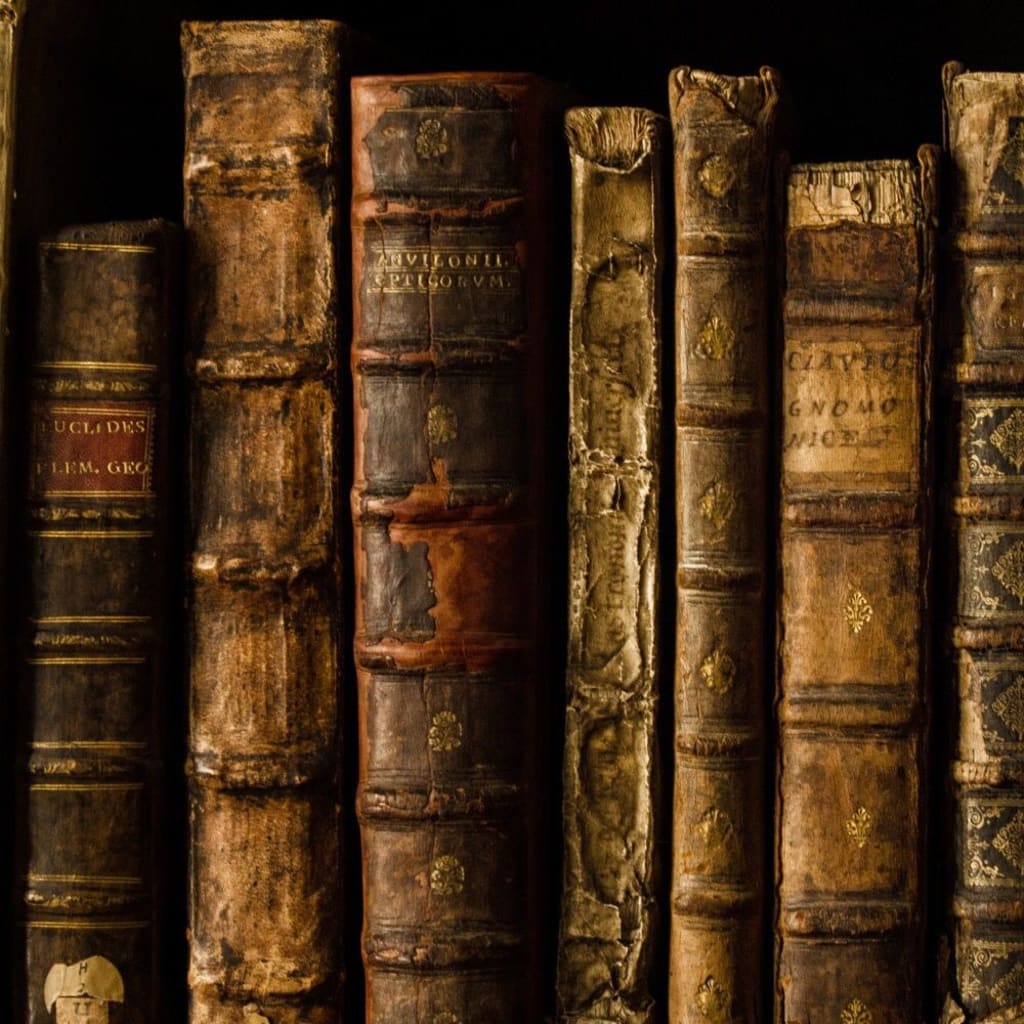
Throughout the years, there have been many books that have changed my existence for the positive. Some of these books I have read multiple times over the years and some of them I have even annotated. When it comes to reading, it is the one pleasure I have in my life in which I have never said to myself 'I don't feel like it' - when it comes to reading, I always feel like it. There's many books I could've put on this list, but the five I have ultimately chosen are extra special.
So, as we approach 500 on my 20 Books of 2020 list, I wanted to show you the five books over the years that have managed to have a profound impact on me. Thank you for joining me on this journey - all the lists are available on my public page.
These books are in no particular order.
Five Books That Changed My Life:
1. War and Peace by Leo Tolstoy
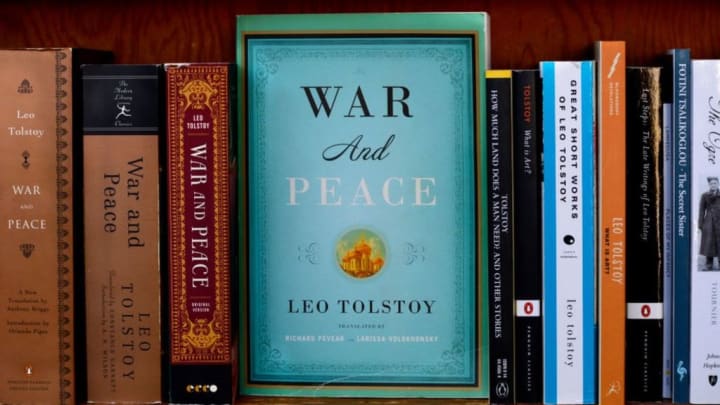
When it comes to books, very few books have had the same impact as "War and Peace" by Leo Tolstoy. The first time I read this book, I was about 14 years' old - so that was approximately ten years' ago. I was absolutely enamoured with characters like Andrei and Natasha. You can see that these families are in absolute turmoil at what proves to be one of the threatening eras in Modern Russia and the Napoleonic Wars are getting worse and worse as people are forced from their homes. This includes the Rostova family. You have these incredible characters with a sense of purpose like Andrei and Nikolai. When it comes down to it, Anatole also has this same sense of purpose and when he lay in the hospital bed next to the hospital bed of Prince Andrei you could really see that in the most vulnerable moments of the human experience, people want to repair things that were previously harmed between them.
"War and Peace" is rarely a book you forget because it's so intense for such a long time. When the book begins to turn towards its ending and, like any great novel, tragedy ensues and people die. There's something satisfying about how the ends are wrapped up. When the Rostova father dies, there is a sense of closure coming to Nikolai's soldiering life and now, he is becoming a man in his own right - a husband and a father. Though Natasha has lost a lot, she gains someone in her greatest friend, a man searching for his own sense of purpose - Pierre Bezukhov. It's a beautifully written book in which all these characters become connected through their place in both the aristocracy and the war and in this war, they search for peace in humanity. Peace between themselves, in their relationships and most importantly, in love and through all turbulence. There really is no greater war than that between two lovers like Pierre and Helene, or the ill-fated secrecy of Natasha and Anatole which causes the rift between Natasha and Andrei. There is something satisfying about the ending in which there may not be peace in Russia, but there is definitely a sense of peace appearing between these families. Some who have lost everything seek peace in each other and those who have not lost as much seek to make peace with others.
2. The Brothers Karamazov by Fyodor Dostoevsky
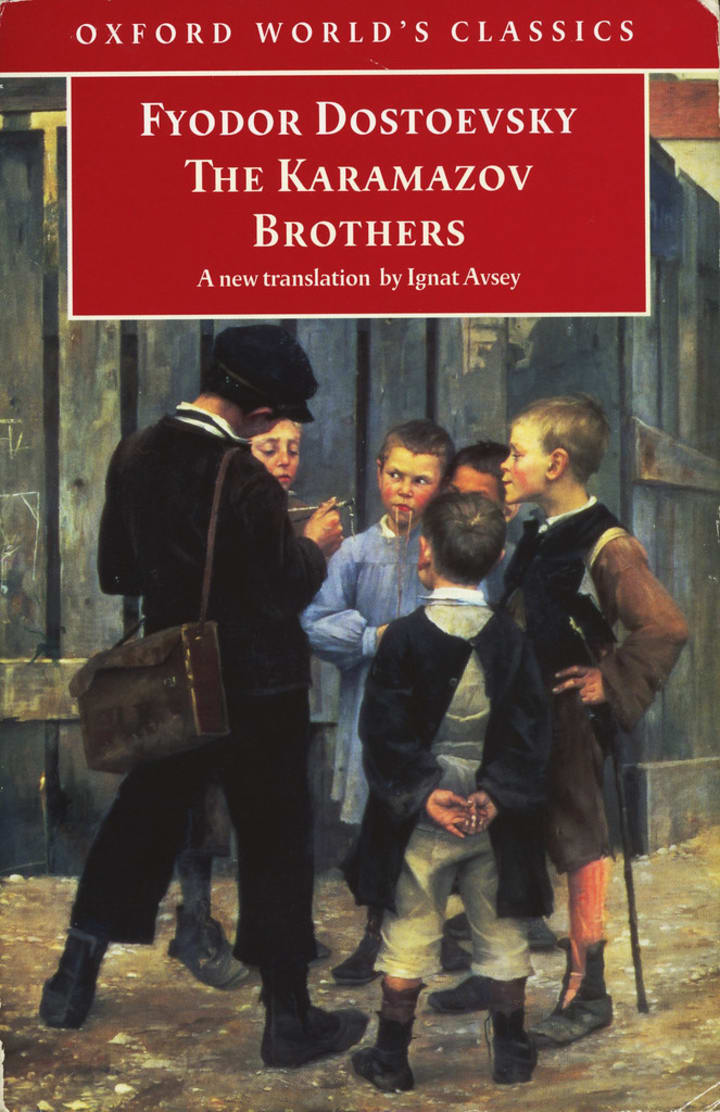
This novel completely changed my outlook on human relationships and it just so happens that I read it just before I read "War and Peace". So you could say I got a completely pessimistic outlook on humanity followed by a slightly more optimistic one. This, in my opinion, is Dostoevsky's greatest novel because it displays not only his writing skill, but all of the best themes associated with Dostoevsky in one book.
First of all, we have the theme of family. All of the characters in the family are completely different. We have the father, Fyodor Pavlovich - he is a crude man with a tortured yet immoral soul. He has three sons who each have an aspect of his own personality. The eldest is Dmitri who, in most aspects, has his father's sense of self. He has his father's temper and want for a better life. Dmitri has his father's sense of self in the aspect of wanting something more for himself. He believes that he deserves more, just like his father did before he was born - causing his father's divorce and remarriage. We then have Ivan who has his father's cunning and slyness. Ivan is a dark and aloof character who is often around harbouring some sort of grudge, he influences and encourages the temperament of Dmitri which sometimes gets him into serious concern with others. The youngest son is possibly the most different of all, Alyosha (Alexei). Alyosha is a religious character who is basically his father's guilt, worry and concern rolled up into a human being. Aloysha provides the moral compass of the story alongside a side plot of a young boy throwing rocks, which reflects the patricide of the book.
We have the illegitimate son as well, Smerdyakov. This character represents the secrecy, curiosity and melancholy of Fyodor Pavlovich. Ultimately, there will be a great divide between the brothers which is one of the many factors which leads to death and destruction - not just of Fyodor Pavlovich, but of the whole Karamazov family.
3. Heart of Darkness by Joseph Conrad
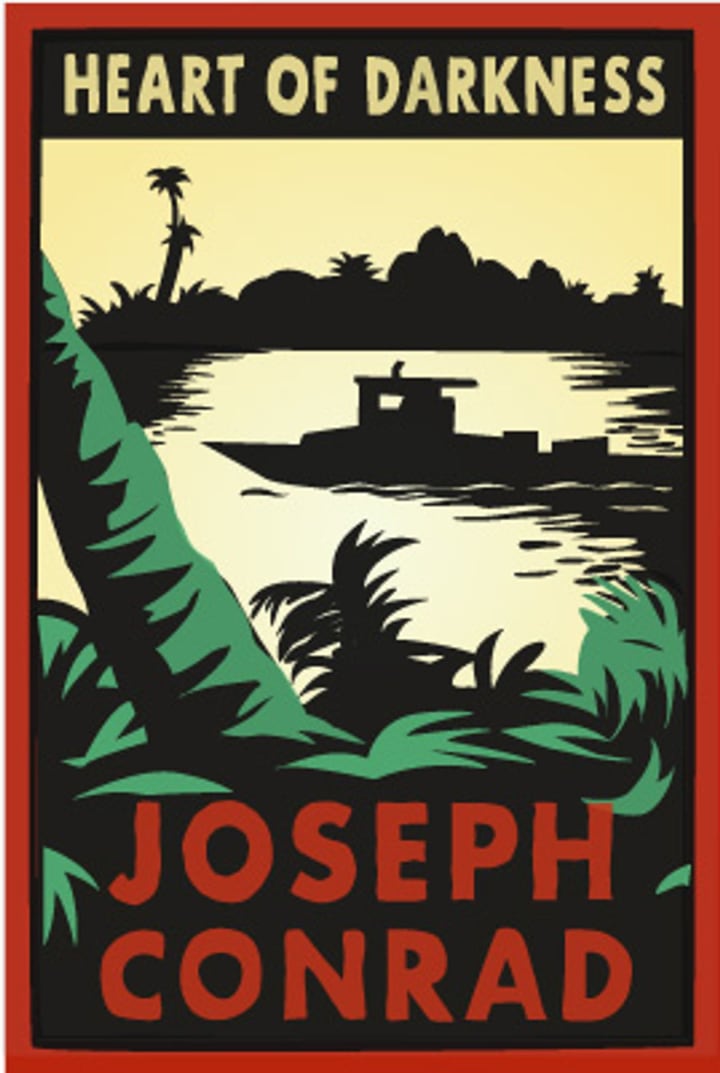
I didn't read this book until I was 16 but it was one of the greatest things I had ever read because of the fact it took a deep and intense look at the difference between civilisation and savagery. It looks especially strange once the two meet up and there is a certain conflict ensuing.
Marlow is one of the most incredible characters that has ever changed my life. Marlow is one of those characters that has a moral compass that undergoes intense changes even though he is already a worldly man by the time the novella begins. When it comes to the journey down the river in the Belgian Congo, we get these moments of strong and graphic scenes of human savagery. Yet, Marlow actually learns something - he learns to entrust in the correct people. Kurtz is not the correct person to trust. With a man that has a fence made from human heads outside his house, he already seems like a shady character. Marlow, though worldly, does not yet know what he is up against and the ivory trade is dangerous.
The danger of this novella is offset against the way in which Marlow behaves towards the other characters. He treats Kurtz with a certain amount of respect even though it is clear to the reader that Kurtz is more of a savage man than the suspected savages. The people of the Congo rely on their savagery for survival whereas with Kurtz, it seems like an act of sheer cruelty towards the natives. It is this that makes us see who we side with and why Kurtz's last words are so incredible significant.
4. Go Tell it on the Mountain by James Baldwin
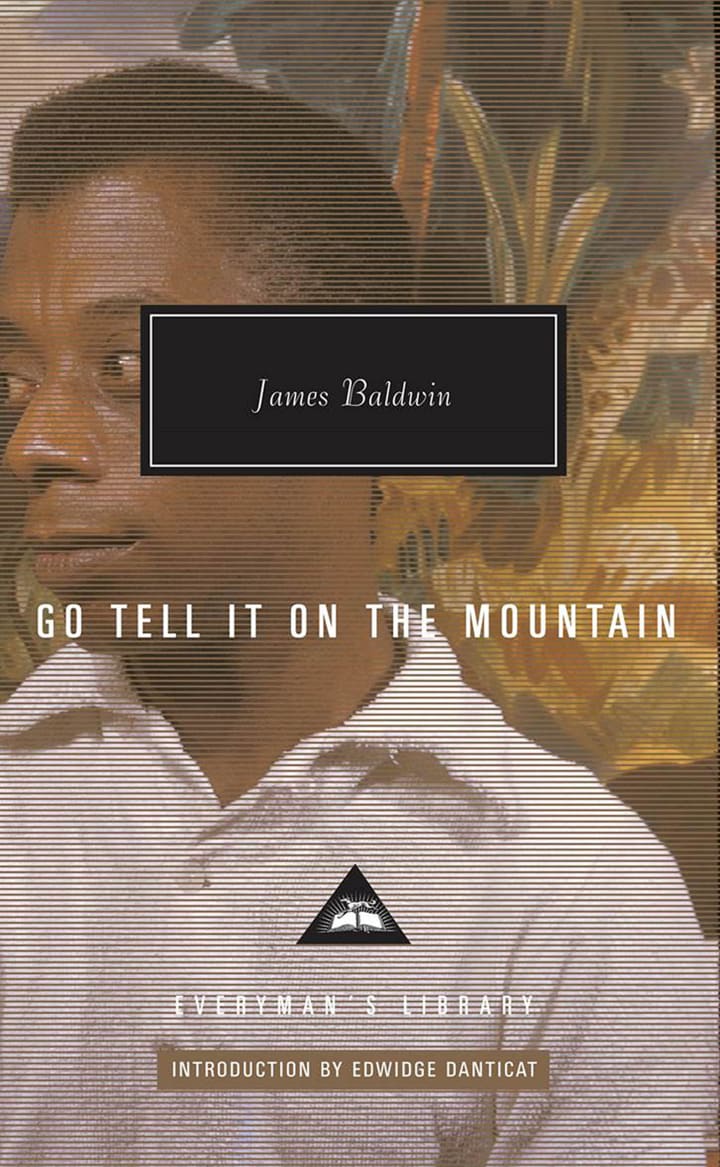
This book changed my teen years because it made me aware of what was really going on when it came to people within my own age range at the time of great racism and racial injustice. John Grimes is a character of great complexity and the novel, set on his birthday, is a vast look into his own life and his family in this period of great tension. John Grimes cares greatly for his younger brother and yet, even though he is young, he understands the kind of world he is living in and the fact that the vast majority of the people around him are against him.
When it comes to his father's narrative - Gabriel (the father) though a rough and harsh father to John himself, has an incredibly upsetting backstory with a lot of tough realities which he faces from a young age. We come to realise that the Grimes family has experienced the same fates over and over again, the same injustices over and over again and Gabriel is being harsh with his own children in order to build their character as nobody was attempting to build his. It hurts the characters incredibly and we realise that there is no correct way to teach the children how to deal with these injustices.
"Go Tell it on the Mountain" though a shorter book in this list, is a novel that teaches us that there is no correct way of dealing with trauma head on, especially when it is caused by those around us. Fighting trauma with trauma does not work and ignorance does not work either. When John Grimes turns to religion, it really does seem like the church is the last option he has.
5. Brideshead Revisited by Evelyn Waugh
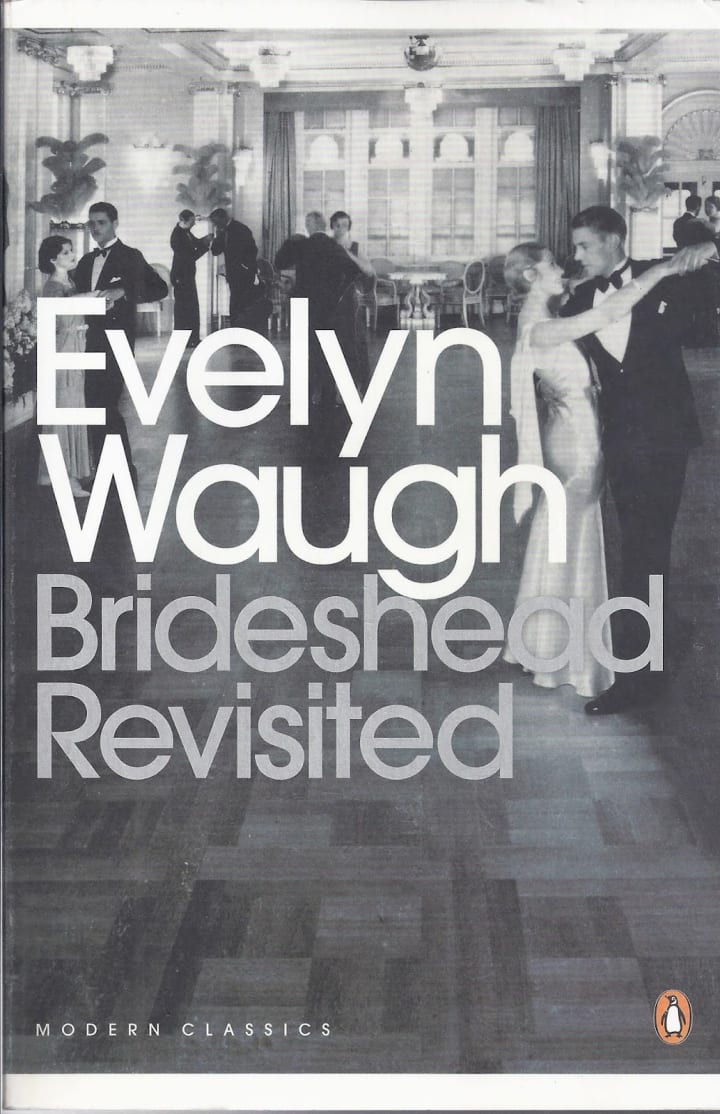
When I first read this book in my teens, I could not put it down. I was reading it by a light in the car in the dead of night whilst my mom was driving us all home. When I got home, I put off getting dressed into my PJs because I wanted to finish the book first. It was one of the most intense books I'd ever read because it is all about how human perception changes. It is about how our opinions of people, families and situations can change from start, middle and end. It is about how these perceptions will come to shape our very being.
Charles Ryder is the everyman character who is warned against the aloof but enchanting man-child, Lord Sebastian Flyte. Looking for some work in artistry, the first volume of the book named rightly after the mysterious artwork "Et in Arcadia Ego" - explores the great mystery of Sebastian and his teddy bear Aloysius. The painting is a painting of perception and it is the name of the volume because the subjects observing the block are all Charles Ryder and the readers of the book. The block on which there is strange inscriptions and codes is Lord Sebastian.
When Charles Ryder meets the family, everything becomes even more intense. Human relationships are seen behind the handsome facade of Lord Sebastian and they are crumbling faster than his humanity. Sebastian's crippling drinking problem, Julia's existentialism in love, Lady Marchmain's failed marriage and Lord Marchmain's disappearance. Through travel and his attempt at salving what is left of Lord Sebastian Flyte, Charles Ryder's very existence begins to change into a profane nightmare. The book turns quickly dark and the decadence becomes more quantified by the amount Sebastian can drink rather than just the building in which these broken souls live together within - Brideshead.
Conclusion
These obviously aren't the only five books that have had an impact on my life, there are a ton more as you probably know. Here are some others that you may want to look into:
- Anna Karenina by Leo Tolstoy
- Cloud Atlas by David Mitchell
- Absalom, Absalom! by William Faulkner
- Moby Dick by Herman Melville
- Huckleberry Finn by Mark Twain
- Invitation to a Beheading by Vladimir Nabokov
- Kafka was the Rage by Anatole Broyard
- The Beast Within by Emile Zola
- In Cold Blood by Truman Capote
- The Sea is My Brother by Jack Kerouac
These books are again, only some, that have changed everything about my existence. Everything about my personality is made from the various literatures I have read, the adventures I've taken and the characters I've met along the way. Everything from "War and Peace" to "The Wreck of the Mary Deare", from "Jane Eyre" to "Jazz" by Toni Morrison. My personality is all Truman Capote and James Baldwin at the same time, along with touchers os Dostoevsky's tragedy, Tolstoy's optimism, Wilde's wit, Kerouac's rhythmic writing and the love and loss of Stefan Zweig and Javiar Marias.
So, from the writings of Yukio Mishima to Yann Martel, from Italo Svevo to Italo Calvino - I have managed to find my place within the galaxy of literature. I am nicely seated in the dead centre of the universe and spinning around me is the vast eternity of every single book. It is endless.
About the Creator
Annie Kapur
I am:
🙋🏽♀️ Annie
📚 Avid Reader
📝 Reviewer and Commentator
🎓 Post-Grad Millennial (M.A)
***
I have:
📖 280K+ reads on Vocal
🫶🏼 Love for reading & research
🦋/X @AnnieWithBooks
***
🏡 UK
Keep reading
More stories from Annie Kapur and writers in Geeks and other communities.
A Filmmaker's Guide to the 40 Things You Should Know About "Pulp Fiction" (1994)
Pulp Fiction (1994) is normally a favourite amongst the clan of 'movie buffs' who watch Fight Club on a regular basis and live in their mother's basements at the age of 35. But, it has been analysed and analysed and over analysed by these people that the movie itself has become a kind of cliché whilst these men pretend to be edgy movie-goers, they have pretty much worn the film out for most people.
By Annie Kapur6 years ago in Geeks
Silver Screen Magic with Mae West
American actress and singer Mae West became a popular film actress during the Great Depression. She started entertaining in vaudeville, then performed on Broadway, and finally went to Hollywood. She signed up with Paramount Pictures and made her debut in the 1932 film “Night After Night.” She also starred in musicals, comedies, and crime dramas. The American Film Institute named her one of the best classic Hollywood actresses.
By Rasma Raisters7 days ago in Geeks
Sabrina Carpenter To Appear In Her First-Ever Super Bowl Ad
Sabrina Carpenter will appear in her first-ever Super Bowl advertisement during the big game in early February. Carpenter is featured in a Pringles campaign, to be aired during Super Bowl LX on February 8.
By Dena Falken Esqabout 2 hours ago in Geeks



Comments
There are no comments for this story
Be the first to respond and start the conversation.