
Book Review: "The Rub of Time" by Martin Amis
2.5/5 - Amis often gets caught up in himself...

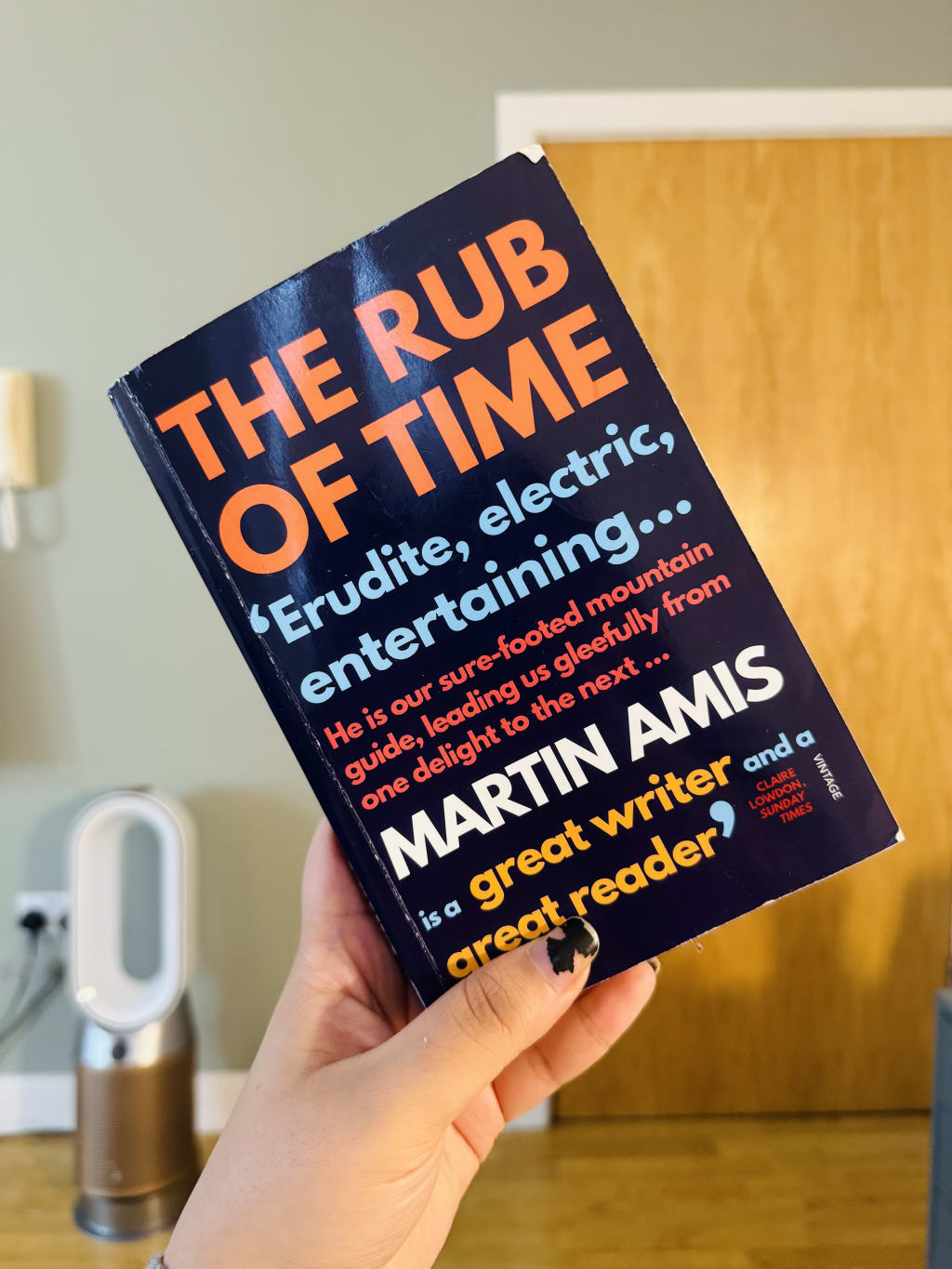
Every now and again I will do a deep-dive into a book of essays because life is too short not to. Previously, I did a deep dive of Pulphead by John Jeremiah Sullivan which was perhaps, too long and so, I've learnt my lessons. Martin Amis' The Rub of Time is not nearly as good as that but is still interesting in many ways. Though the writing style meant I was reading it for far longer than I normally would. It took me a few weeks to go through and pick out the things I enjoyed but, it was well worth it if to also tell you the things I did not enjoy. I won't however be going through every single essay because there are absolutely tons in this anthology and not all of them are very good at all.
Note to the reader: I will select certain essays in order to illustrate points I would like to make about Amis' writing and how he treats his subject matters.
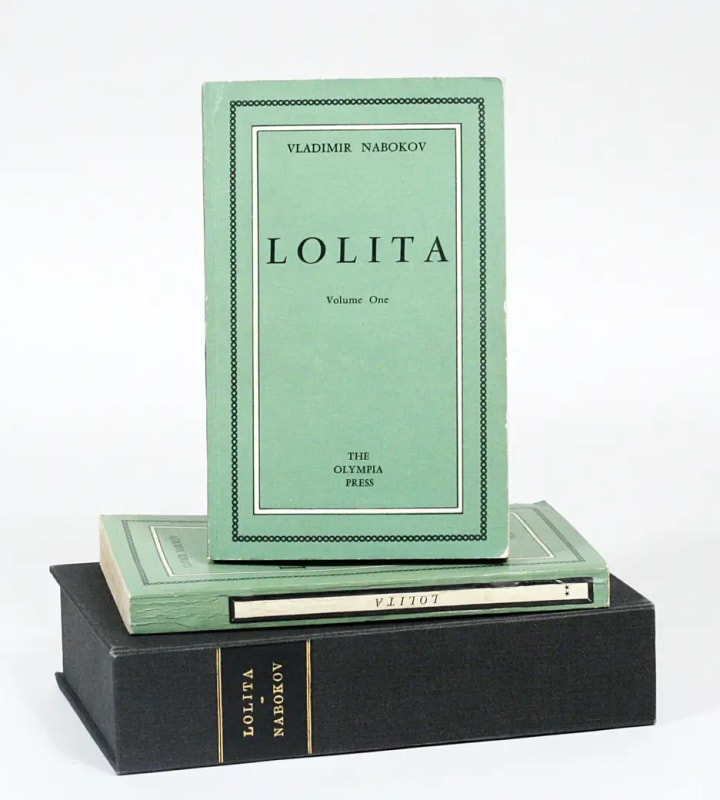
1. Nabokov and the Problem from Hell
"Language leads a double life - and so does the novelist"
In this essay, Martin Amis embarks on a cerebral and provocative examination of Vladimir Nabokov’s controversial masterwork, Lolita. Amis’s essay grapples with what he terms “the problem from hell”—the moral and artistic paradox of a novel that asks its readers to empathise with a paedophile protagonist, Humbert Humbert. It’s an essay as much about the moral responsibilities of literature as it is about Nabokov’s extraordinary craft, and it strikes at the heart of why Lolita continues to inspire both admiration and unease.
Amis does not mince words about the challenge Nabokov presents. “Nabokov demands our complicity,” he writes, pointing out that the narrative is designed to seduce and entangle readers with Humbert’s poetic, erudite, and often darkly comic voice. This, according to Amis, is the essence of the “problem from hell”: Nabokov manipulates us into a position of aesthetic pleasure while forcing us to confront the moral revulsion of Humbert’s crimes.
- Pros: It goes into extreme depth regarding the problems that readers tend to have with Nabokov's writings.
- Cons: Towards the end of the essay it seems Amis turns to gloating about his Nabokovian expertise than actually giving the reader a clear conclusion or takeaway point.
2. Philip Larkin: His Life and His Work
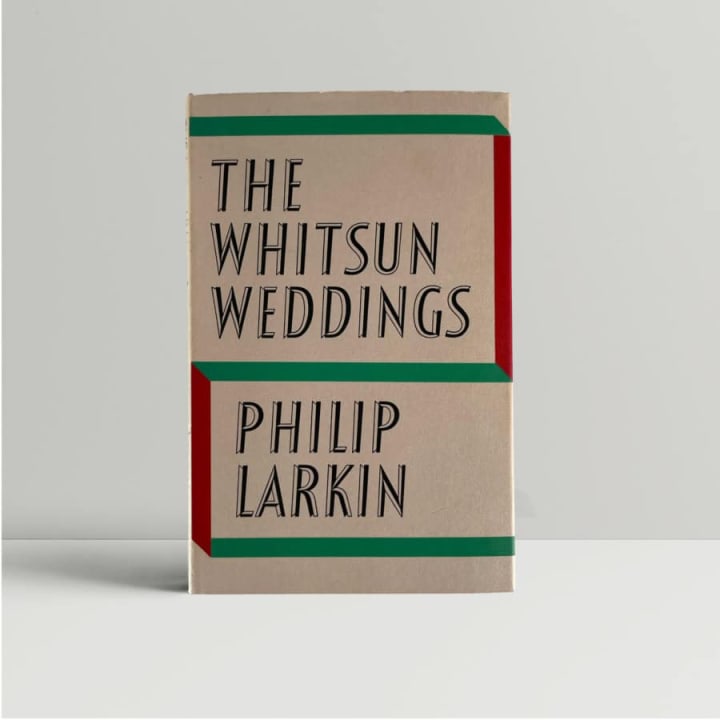
Martin Amis presents a detailed but overcomplicated analysis of the poet’s work and personality. While the essay delves deeply into Larkin’s writing and character, it is bogged down by Amis’s tendency to use overly long sentences and unnecessarily complex vocabulary, often making points that feel frustratingly vapid. The writing style distracts from the subject, as if Amis is more interested in showcasing his own linguistic dexterity than providing meaningful insights. If there was ever something that put me off reading Larkin (and many things have), this would be in the top three things (numbers one and two are that Larkin's work was something I hated reading on my degrees and that even my lecturers looked bored stiff teaching him with critical theory involved).
The essay also delves into Larkin’s personal life, examining his famously misanthropic outlook and the contradictions between his public persona and private correspondence. Amis seems determined to find a grander narrative within Larkin’s often modest themes, but the effort feels strained. His attempts to elevate Larkin’s legacy are undermined by an overwrought style and a lack of persuasive evidence for why Larkin should be considered one of the greats. When I say 'lack of persuasion' - I mean it.
Pros: I don't think I have any for this essay apart from the fact that eventually it was over.
Cons: There is only one thing worse than reading Larkin and that is reading Martin Amis' essay about him.
3. Princess Diana: A Mirror, Not a Lamp

The author examines how Diana’s life and image encapsulated the late 20th century’s obsession with celebrity, media spectacle, and emotional transparency. He argues that her public persona, shaped as much by tabloid narratives as by Diana herself, revealed society’s hunger for relatable royalty—a figure who appeared accessible yet still imbued with mystique. Her vulnerability, whether in her tumultuous marriage, her charity work, or her struggles with mental health, made her a modern archetype: a princess who suffered like an ordinary person.
Amis is critical of how Diana’s image was weaponised by the media and consumed by the public, often to the detriment of her humanity. He contends that her tragic death amplified this dynamic, turning her into a saint-like figure who continued to reflect the world’s fantasies and griefs even after her passing.
While the essay offers some intriguing insights, I couldn’t help but wonder why it was so brief, especially compared to Amis’s essay on Philip Larkin. Diana’s cultural impact—both during her life and after her death—was undoubtedly far greater than that of a relatively average poet, and yet the analysis feels oddly cursory. For all the intellectual weight Amis brings to bear on the subject, it seems strange that he would devote so much more space to Larkin while leaving Diana’s far-reaching legacy explored in only the broadest strokes. Ultimately, the essay presents Diana as an unparalleled cultural figure, but it stops short of fully unpacking the profound and lasting ways in which she shaped the late 20th century.
Pros: Everyone loves an essay on Princess Diana and the fact that she was basically wronged and used even after she died. It is a nice addition to the anthology as it doesn't get overly wordy and tired - which seems to characterise a lot of Martin Amis' essays.
Cons: It is basically less than three pages long. Horrifying in comparison to the sheer length of that annoying essay on Philip Larkin.
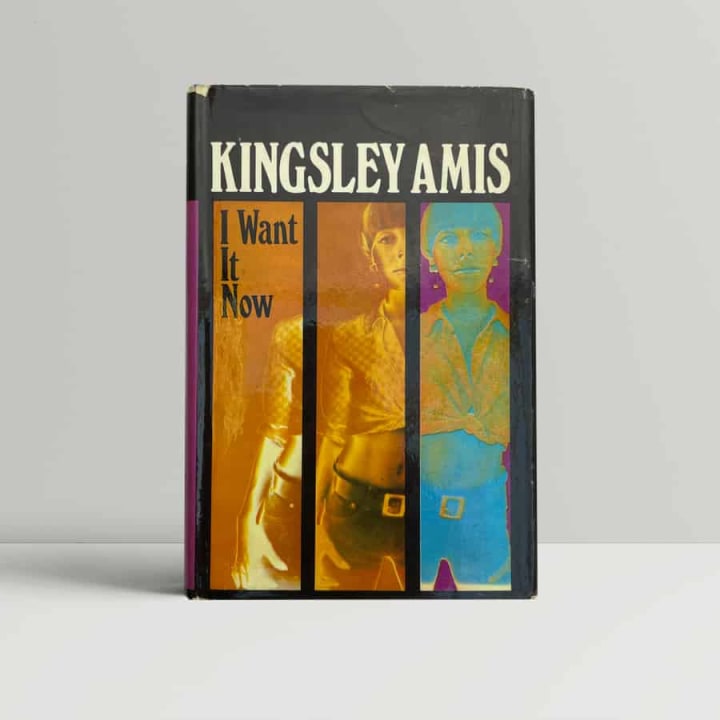
4. The King's English
When I was sixteen or seventeen and started reading books for grown-ups, I became in his eyes worth talking to. And when, half a decade later, I started using the English Language in the literary pages of newspapers, I became worth correcting...
The essay explores Kingsley Amis’s attitudes toward language, particularly his sharp, no-nonsense approach to English usage and his scorn for pretension. Which is why I would rather be reading books by the father than the son.
Martin frames his father’s linguistic style as emblematic of a broader philosophy—one rooted in clarity, wit, and a resistance to what Kingsley saw as the creeping pretentiousness of modern English. While Martin clearly admires his father’s precision and humour, his own attempts to inject levity into the essay often miss the mark.
There’s an undeniable tinge of upper-middle-class privilege in Martin Amis’s humour—jokes and references that likely resonate only with those from a similar class and educational background. His anecdotes and asides are laced with a knowingness that presumes his audience is already in on the joke, but for readers outside that bubble, the humour can feel alienating or, at times, smug. What he likely intends as wry or self-deprecating instead lands as slightly tone-deaf, a reflection of his insular upbringing and elite literary world.
Pros: At least Martin Amis acknowledges his father is a better writer than he is.
Cons: It reminds me I'd much rather be reading a novel by Kingsley Amis. At least it would be funny and dry at the same time, rather than someone thinking they're funny but they're actually just dry.
5. Losing Las Vegas

I can see myself at the bar, enjoying a second skull-chilling margarita...
In this essay, Martin Amis adopts a more straightforward and engaging style compared to some of his other essays, delivering a piece that feels less bogged down by the verbose, self-consciously clever language that often mars his writing. Here, his observations about the city are sharp, insightful, and rooted in genuine curiosity, making for a much more enjoyable and accessible read.
Amis explores the contradictions of Las Vegas—the glitzy, over-the-top spectacle juxtaposed against the deep undercurrents of emptiness and decay. He reflects on the city’s sense of artificiality, where everything is designed to seem real but ultimately feels hollow, a point he makes with surprising subtlety and depth. He deftly describes Las Vegas as a place that entices with its promise of escape and excess, but ultimately traps its inhabitants and visitors in a never-ending cycle of consumption and illusion.
What sets Losing Las Vegas apart from some of his other works is how Amis grounds his insights in the real, physical space of the city. He isn’t just examining Vegas as a cultural symbol; he’s reflecting on the sensory experience of being there—its heat, its lights, its noise—and the way these sensations mirror the superficiality of the lives lived in its shadow. It’s a city that thrives on reinvention, yet is deeply entrenched in a kind of deadening repetitiveness.
Pros: It is definitely one of the more fun essays in the whole anthology.
Cons: There was a bit too much name-dropping - perhaps cutting out so many random food and drink names would've made for a solid 10/10 reading experience.
6. In Search of Dieguito Maradona
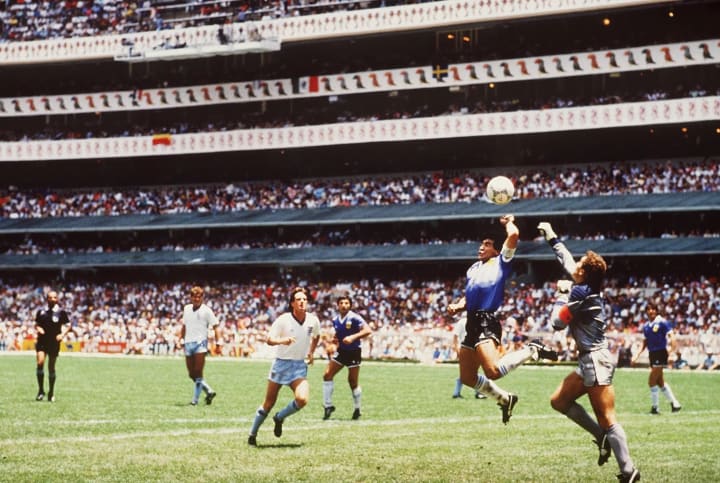
Martin Amis crafts a concise and mostly engaging essay about the legendary Argentine footballer, offering a close look at Maradona's complex persona. The essay stands out because it lacks the usual verbosity and self-indulgence that often characterises Amis’ writing. Instead, he adopts a more accessible tone, focusing on Maradona’s incredible skill and his place in both the sporting and cultural landscape, making for a relatively straightforward yet captivating read.
However, while the essay is largely effective in its examination of Maradona, there’s a recurring tendency for Amis to slip in references to highbrow figures like Jorge Luis Borges and V.S. Naipaul. These name-drops, while perhaps intended to enrich the discussion, often feel like unnecessary flexes of his literary knowledge rather than contributing meaningfully to the essay’s central theme. The inclusion of these references not only detracts from the focus on Maradona but also gives the impression that Amis is more interested in demonstrating his intellectual range than in deepening our understanding of the subject at hand.
The essay is already brief, and these flourishes of name-dropping add little to the core of the narrative. Instead of enhancing the analysis, they seem to serve more as a reminder of his literary pedigree, which can come across as distracting and somewhat pretentious. This tendency to insert literary references where they aren't strictly necessary makes the essay feel bloated and, in some places, detracts from its otherwise sharp focus on Maradona’s life and legacy.
Pros: It was genuinely interesting and I hate reading about sports
Cons: Martin Amis needs to stop shoving his ability to reference into our faces so often. It's annoying.
7. Christopher Hitchens
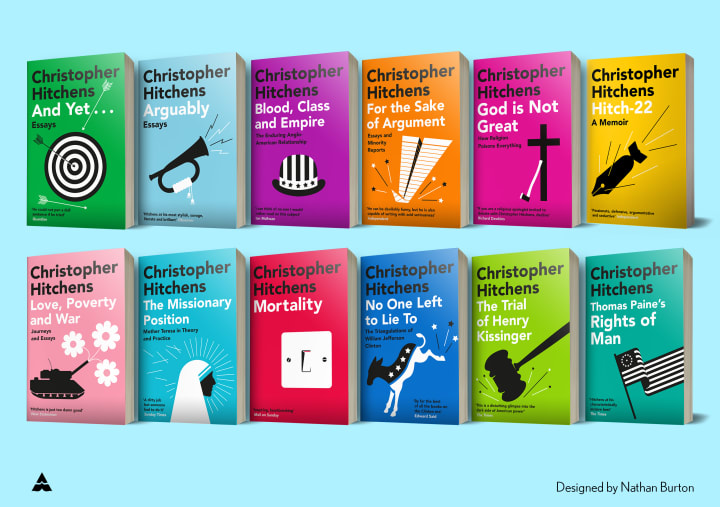
In his essay on Christopher Hitchens, Martin Amis delivers a mostly well-written and insightful reflection on the life and legacy of the famous journalist and intellectual. Amis captures Hitchens’s intellectual prowess, his sharp wit, and his unapologetic, sometimes confrontational style. The essay is engaging in its exploration of Hitchens's complex personality, touching on both his brilliance and his flaws, and it effectively conveys the admiration Amis had for him while also acknowledging the contradictions in Hitchens’s character.
Throughout the essay, Amis is able to balance a sense of reverence for Hitchens’s intellectual contributions with a critical eye, offering reflections on his views and the broader cultural impact of his work. There’s a genuine warmth to Amis’s portrayal of his friend, and the essay provides readers with a thoughtful look at Hitchens’s enduring influence, as well as the personal connection between the two men.
However, as the essay progresses, it begins to feel somewhat self-indulgent, particularly in the final pages. Amis starts to delve into personal anecdotes and reflections that, while perhaps meaningful to him, come across as indulgent to the reader. The last paragraph, in particular, is a striking example of this. Rather than wrapping up the essay with a sense of closure or reflection on Hitchens’s legacy, it reads almost as a self-serving tribute to their friendship. It feels as though Amis is using the essay as a platform to make a more personal statement about himself and his relationship with Hitchens, which detracts from the otherwise strong analysis of Hitchens as a public figure.
Pros: I always think an essay on Christopher Hitchens in a great idea in an anthology about great ideas and philosophies.
Cons: On the whole, this essay probably should not be written by Martin Amis and his extravagantly self-indulgent personality.
Conclusion
As we can see, this is still very long and I had to cut it down. Ultimately, I have to say that though there were some really good essays, they were often weighed down by the ones I did not enjoy so much. I was quite disheartened to see that the book definitely had some more negative than positive points for me. However, I'd still encourage you to give it a read and tell me what you think.
About the Creator
Annie Kapur
I am:
🙋🏽♀️ Annie
📚 Avid Reader
📝 Reviewer and Commentator
🎓 Post-Grad Millennial (M.A)
***
I have:
📖 280K+ reads on Vocal
🫶🏼 Love for reading & research
🦋/X @AnnieWithBooks
***
🏡 UK
Reader insights
Outstanding
Excellent work. Looking forward to reading more!
Top insights
Compelling and original writing
Creative use of language & vocab
Easy to read and follow
Well-structured & engaging content
Expert insights and opinions
Arguments were carefully researched and presented
Eye opening
Niche topic & fresh perspectives
Heartfelt and relatable
The story invoked strong personal emotions
On-point and relevant
Writing reflected the title & theme
Keep reading
More stories from Annie Kapur and writers in Geeks and other communities.
The Prime of Miss Jean Brodie by Muriel Spark
The Prime of Miss Jean Brodie by Muriel Spark was first published in 1961, a time of significant cultural and social change in Britain. Spark, who was born in Edinburgh in 1918, based much of the novel on her own experiences attending an all-girls' school in Edinburgh, the James Gillespie’s High School for Girls. The central character, Miss Jean Brodie, was reportedly inspired by one of Spark’s own teachers, Christina Kay, though Spark’s portrayal in the novel is more exaggerated and satirical. The novel reflects many of Spark’s own complex feelings about her education and the broader themes of influence, control, and the role of women in society.
By Annie Kapur10 months ago in Geeks
Silver Screen Magic with Mae West
American actress and singer Mae West became a popular film actress during the Great Depression. She started entertaining in vaudeville, then performed on Broadway, and finally went to Hollywood. She signed up with Paramount Pictures and made her debut in the 1932 film “Night After Night.” She also starred in musicals, comedies, and crime dramas. The American Film Institute named her one of the best classic Hollywood actresses.
By Rasma Raisters6 days ago in Geeks
Villainess Review: Amanda (Disturbing the Peace)
It's been a minute, or two, or three, since I've written a Villainess Review, though the year-end Top 10 lists centered on Lifetime film villainesses feel like a big two-part review. One of my big promises for 2026: the Villainess Reviews will be plentiful again. I don't have a set schedule for them; I never do. But there will be quite a bit on Vocal, as this April will mark my fifth anniversary of me actually doing this. Fittingly, my very first of almost 2000 stories on this site was a Villainess Review.
By Clyde E. Dawkins4 days ago in Geeks


Comments (1)
I have this and a few other collections by Mr. A., and I think you nailed some of the problems I've faced in reading him (his fiction is like visiting a very tightly controlled film set with no one allowed to improvise). Excellent work, Ms. K.!