
The Prime of Miss Jean Brodie by Muriel Spark
Why It's a Masterpiece (Week 55)

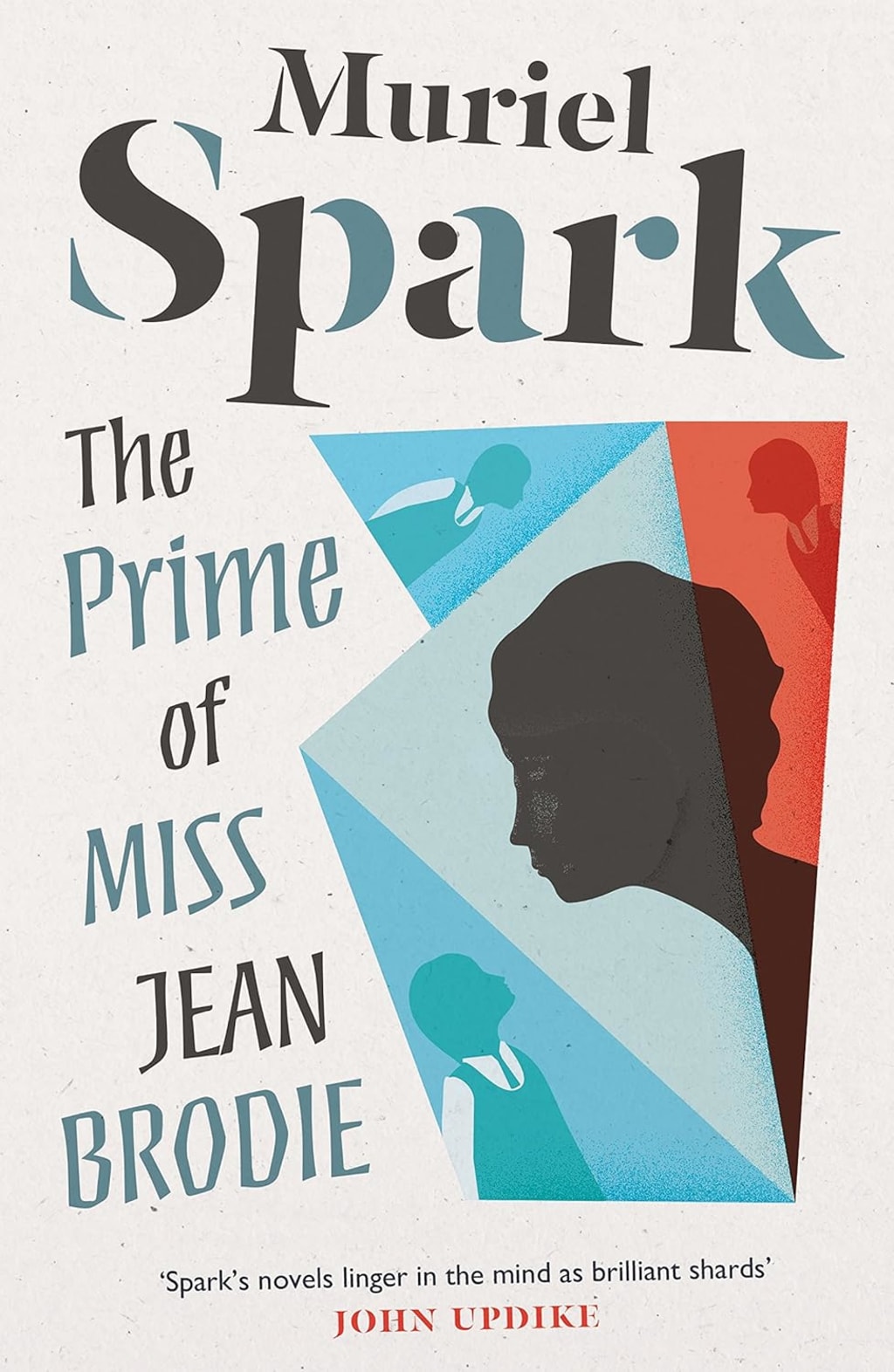
The Prime of Miss Jean Brodie by Muriel Spark was first published in 1961, a time of significant cultural and social change in Britain. Spark, who was born in Edinburgh in 1918, based much of the novel on her own experiences attending an all-girls' school in Edinburgh, the James Gillespie’s High School for Girls. The central character, Miss Jean Brodie, was reportedly inspired by one of Spark’s own teachers, Christina Kay, though Spark’s portrayal in the novel is more exaggerated and satirical. The novel reflects many of Spark’s own complex feelings about her education and the broader themes of influence, control, and the role of women in society.
The book’s exploration of a charismatic teacher’s control over her students, and the consequences of her unorthodox influence, resonated with readers and critics alike. Its setting in 1930s Edinburgh, at the cusp of World War II, also lent the novel a historical depth that contributed to its critical success. The novel’s popularity would later lead to successful adaptations, including a stage play and a 1969 film starring Maggie Smith, which further solidified its place in literary and cultural history.
Plot
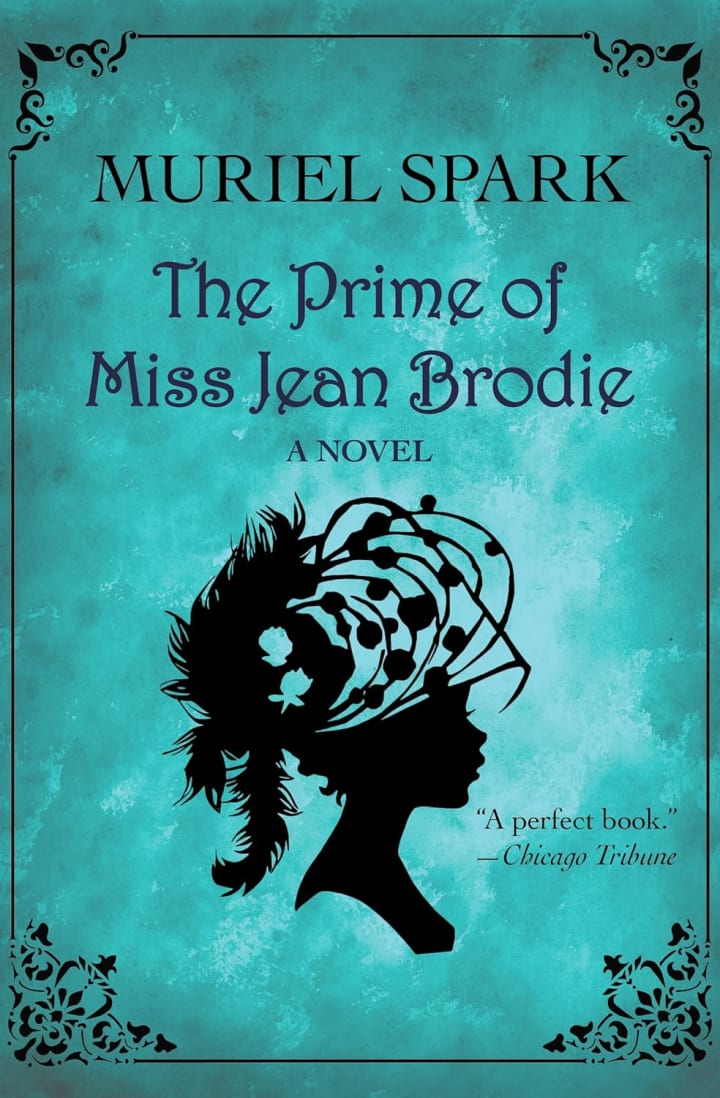
The Prime of Miss Jean Brodie follows the lives of a group of young girls, known as "the Brodie set," who come under the powerful and eccentric influence of their teacher, Miss Jean Brodie, at an all-girls' school in Edinburgh during the 1930s. The narrative begins with Miss Brodie’s declaration that she is “in her prime,” believing herself to be at the peak of her intellectual and personal powers. She handpicks a group of students—Sandy, Rose, Jenny, Eunice, Monica, and Mary—whom she transforms according to her own beliefs, encouraging them to reject the traditional curriculum in favour of her personal philosophies, stories of her travels, and admiration for figures like Mussolini and fascism.
Miss Brodie’s influence is profound, and each of the girls is affected by her in different ways. Sandy, the most introspective of the group, gradually becomes disillusioned with Miss Brodie’s manipulation and egotism, particularly when it becomes clear that Miss Brodie’s political beliefs and personal actions have troubling consequences. Miss Brodie pushes Rose, whom she considers the most sexually appealing, toward a romantic relationship with the art teacher, Mr. Lloyd, though it is Sandy who eventually has an affair with him. Over time, the power Miss Brodie wields over her students grows darker as her authoritarian tendencies surface.
As the novel progresses, it is revealed that one of the girls in the Brodie set will eventually betray Miss Brodie. This act of betrayal becomes a central mystery, which is gradually unraveled as the novel moves back and forth in time, revealing the long-term impact of Miss Brodie’s influence on the lives of her students. It is Sandy who ultimately informs the school’s headmistress, Miss Mackay, of Miss Brodie’s support for fascism and her harmful manipulations, leading to Miss Brodie’s forced retirement. Sandy, who later becomes a nun, reflects on the complexity of Miss Brodie’s character and the lasting effect she had on her life. The novel ends with Miss Brodie dying alone, still convinced that she was betrayed by one of her chosen girls, unaware of the true nature of her influence.
Into the Book
One of the central themes of The Prime of Miss Jean Brodie is power and control, particularly the ways in which authority figures can manipulate and shape the minds of those under their influence. Miss Brodie’s charismatic authority over her students is absolute, as she handpicks girls she deems “special” and molds them according to her own ideological views. The novel examines the fine line between teaching and indoctrination, as Miss Brodie’s influence strays from education into manipulation. Her fascination with fascism, a political ideology based on authoritarian control, reflects her own desire for dominance over her students’ lives. The novel ultimately questions the morality of such control, as Miss Brodie’s inability to recognize the harm she causes leads to her downfall.
“To me education is a leading out of what is already there in the pupil's soul.”
- The Prime of Miss Jean Brodie by Muriel Spark
Another key theme in the novel is the conflict between individualism and conformity. Miss Brodie prides herself on being unconventional, encouraging her students to break away from the traditional norms of their school and society. She views herself as a champion of free thought, but her version of individualism is rigid and narcissistic, as she imposes her own values on her students without truly encouraging them to form their own identities. The girls in the Brodie set, particularly Sandy, struggle with the tension between Miss Brodie’s influence and their own desires for independence. Sandy’s eventual rebellion against Miss Brodie reflects the need to break free from oppressive control in order to achieve true personal growth.
“It is well, when in difficulties, to say never a word, neither black nor white. Speech is silver but silence is golden.”
- The Prime of Miss Jean Brodie by Muriel Spark
A third major theme in the novel is betrayal and loyalty. The idea of betrayal runs through the novel, as it is revealed early on that one of the girls will eventually betray Miss Brodie, but the reasons for this act remain unclear until the end. The novel explores the complexities of loyalty, particularly in the context of manipulative relationships. Miss Brodie expects absolute loyalty from her students, but her own loyalties—to fascism, to her romantic ideals—are misguided and harmful. Sandy’s decision to betray Miss Brodie is both an act of rebellion and a moral choice, as she recognizes the danger of Miss Brodie’s influence. The theme of betrayal is thus linked to questions of moral responsibility and personal freedom.
“Give me a girl at an impressionable age and she is mine for life.”
- The Prime of Miss Jean Brodie by Muriel Spark
Why It's a Masterpiece
The novel’s central character, Miss Jean Brodie, is one of the most memorable and compelling characters in 20th-century fiction. Spark’s portrayal of Miss Brodie’s charismatic yet destructive personality is both humorous and tragic, as her influence over her students leads to unintended consequences. The novel’s exploration of the dangers of absolute power, both in personal relationships and in the broader political context, resonates with readers across generations. Its commentary on the nature of influence, indoctrination, and free will remains as relevant today as it was when the novel was first published. It is recognised as one of the author's greatest achievements and was included in Time magazine’s list of the 100 best English-language novels since 1923.
Conclusion
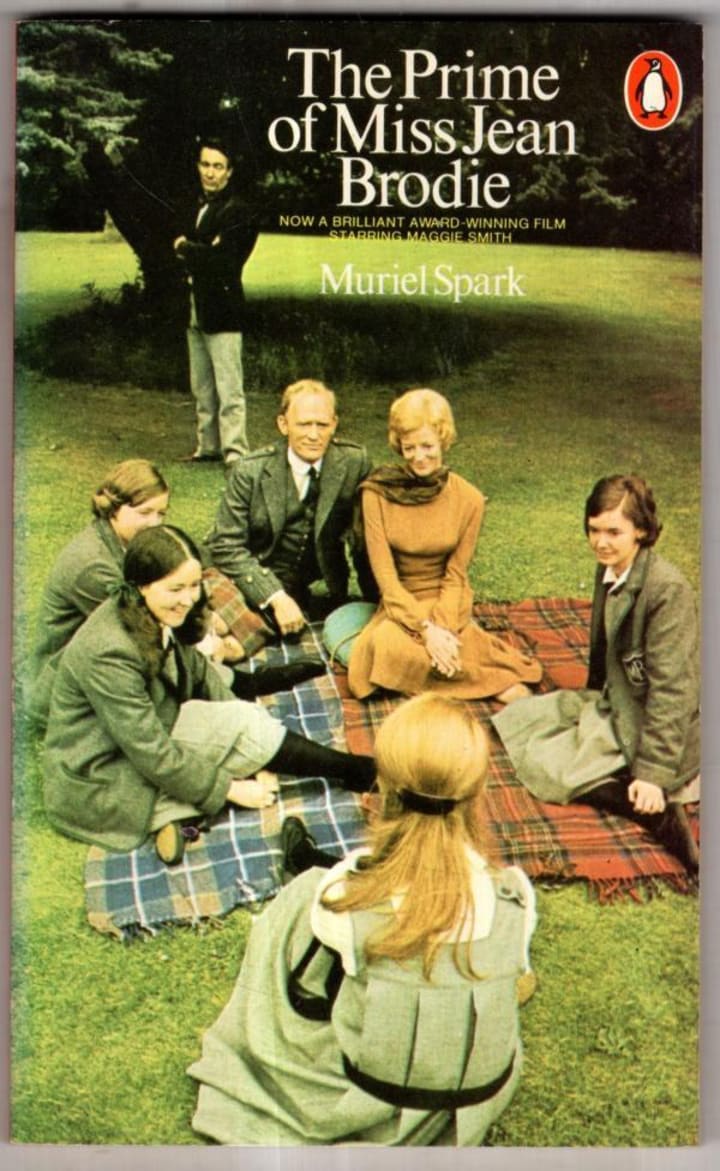
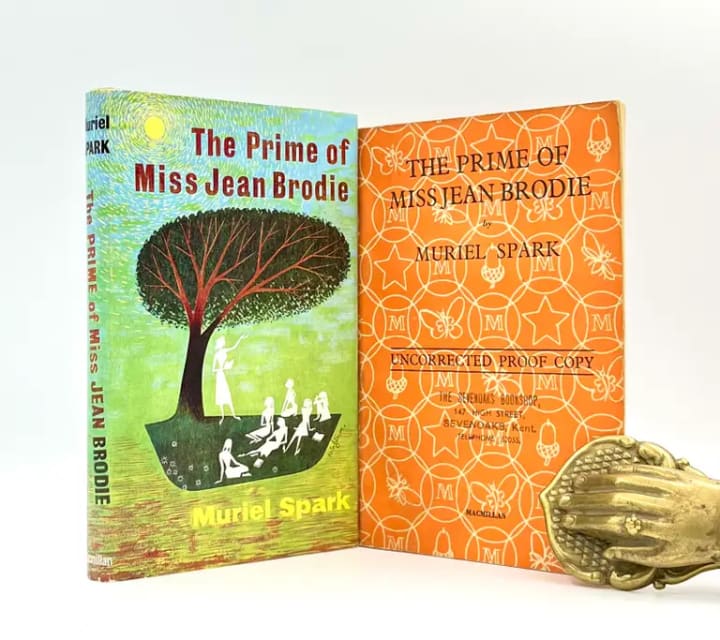
The Prime of Miss Jean Brodie is an excellent book to include in this list of masterpieces, and it's short too if you haven't read it already and wanted to pick it up. Muriel Spark's writing is amazing. I hope you have enjoyed learning about this novel and are looking forward to next week when we will discover another. I have thoroughly enjoyed re-reading this novel in preparation for this article and going through and annotating my fairly aged copy. On this site, I have reviewed some of Muriel Spark's works but never The Prime of Miss Jean Brodie, for reasons I cannot understand. So, here is the analytical article, which I think really does the trick if not a review.
Next Week: The Beautiful and the Damned by F Scott Fitzgerald
About the Creator
Annie Kapur
I am:
🙋🏽♀️ Annie
📚 Avid Reader
📝 Reviewer and Commentator
🎓 Post-Grad Millennial (M.A)
***
I have:
📖 280K+ reads on Vocal
🫶🏼 Love for reading & research
🦋/X @AnnieWithBooks
***
🏡 UK
Keep reading
More stories from Annie Kapur and writers in Geeks and other communities.
Book Review: "Fake Heroes" by Otto English
You can really tell when I've been paid because I'll splash out on a book I've wanted to read for ages but has always been a bit expensive even to buy on the Kindle. Fake Heroes is one of those books. This is one of those books where I thought 'yes it's nonfiction, but is it going to be more data-based or entertaining?' and it happened to be a cool mix of the two. I was not really very surprised by the people explored in the book and the way in which for example, the cinema industry exploited the death of Rudolph Valentino in order to shake up talk for the re-release of his movies. But what I was surprised about is how it made me confront how I often idolise people like perhaps JFK - who has a lengthy chapter in this book that doesn't colour him a very good person.
By Annie Kapur10 months ago in Geeks
Silver Screen Magic with Mae West
American actress and singer Mae West became a popular film actress during the Great Depression. She started entertaining in vaudeville, then performed on Broadway, and finally went to Hollywood. She signed up with Paramount Pictures and made her debut in the 1932 film “Night After Night.” She also starred in musicals, comedies, and crime dramas. The American Film Institute named her one of the best classic Hollywood actresses.
By Rasma Raisters7 days ago in Geeks
How to Succeed at the Benson Directory®
Congratulations and welcome to the Benson Directory® employee #22391! As our newest call handler, you will have the privilege of speaking with dozens of unique and interesting people on a daily basis as well as the opportunity to earn bonuses for high performance. Contained within this handbook you will find a set of ease to follow instructions designed to help you settle in to your new role and begin paving the way to success.
By S. A. Crawford3 days ago in Fiction



Comments (3)
I own that Penguin edition at the end of your article, and I must say that this is the only one of her books I have read with enjoyment. Thank you for this!
What a fantastic selection, it seems to be library.you have very exceptional ability to bring wonderful story.I pray this article will be fly weekend best and goodluck.
I’ll check this book out at the library’’ Great review!