
Book Review: "James and John" by Chris Bryant
5/5 - an engrossing read of Victorian England's horrific treatment of homosexuality...

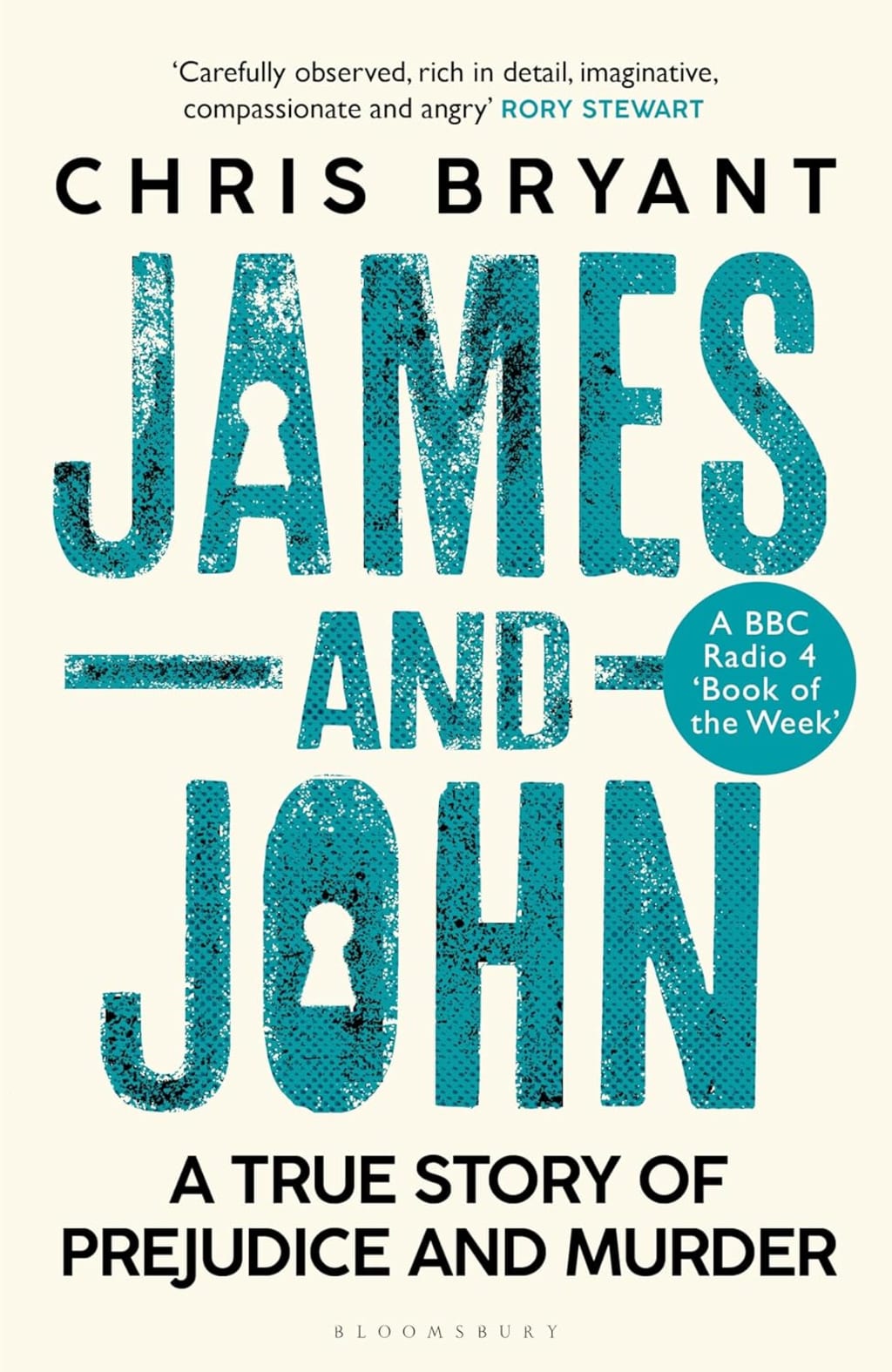
I've known for a bit that this book is a book to read and yet again, I had to wait for available funds to be able to get it. James and John is about a miscarriage of justice which resulted in horrors but then again, it is about so much more. It is about the way in which that from the Restoration to the Georgian period, the English especially began to get so disgusted by homosexuality that it was pretty much omitted from Victorian arrest records and the most famous case therefore became Oscar Wilde's 1895 trial after he wrote The Picture of Dorian Gray. Even foreigners from on the continent were confused about the Englishman's disgust at same-sex relationships to the point that homosexuality was punishable by execution. This book details England's dark years in which love was punishable by death. It was a truly terrifying time.
James Pratt and John Smith were arrested in August 1835 after being discovered together in a rented room in Southwark, London. They were not caught by accident; their activities had been deliberately spied upon by the landlord, who peered through a keyhole before alerting the authorities. This act of surveillance was not uncommon at the time, as accusations of sodomy could be highly lucrative for informers and landlords seeking favour with law enforcement. Their immediate arrest highlights how vulnerable working-class men were to persecution, as they lacked the privacy and protections that wealthier men enjoyed. Once in custody, Pratt and Smith found themselves at the mercy of a deeply prejudiced legal system that saw their very existence as criminal.
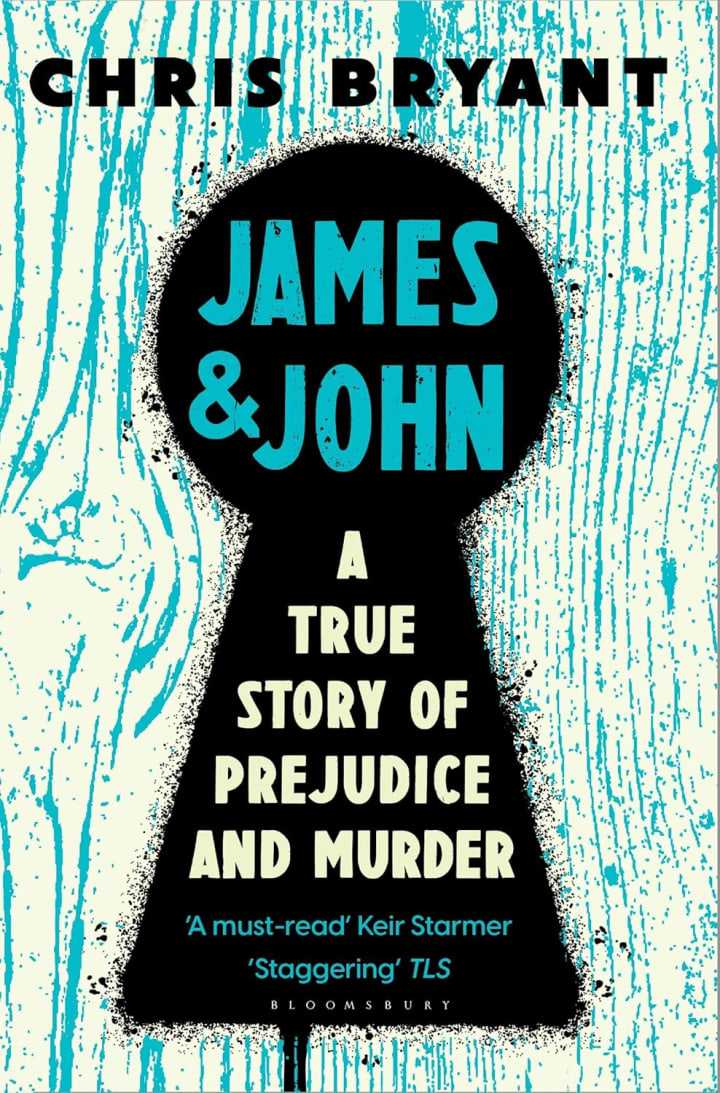
The legal proceedings against Pratt and Smith were shockingly swift. Their trial at the Old Bailey lasted only a few minutes, during which they had little opportunity to defend themselves. The court relied heavily on the dubious testimony of their landlord and his wife, who claimed to have witnessed illicit activity through the keyhole. There was no physical evidence, nor did Pratt and Smith have any prior criminal history that might suggest habitual wrongdoing. Nevertheless, they were found guilty and sentenced to death under the existing sodomy laws. Their case exemplifies the cruelty of the 19th-century judicial system, which treated homosexuality as an unforgivable moral failing rather than a private matter between consenting adults.
The author draws attention to the stark contrast between how working-class and upper-class men were treated when accused of sodomy. Wealthier men often had the means to conduct their relationships in private homes or exclusive clubs, whereas working-class men like Pratt and Smith had no such protections. Those with money and social influence could also bribe police officers or hire skilled lawyers to secure a lighter sentence—or escape justice altogether. In contrast, men of lower social status, particularly those who rented rooms or met in public spaces, were easy targets for moral crusaders and law enforcement. Pratt and Smith’s fate was sealed not just because they were accused of a crime, but because they lacked the resources to defend themselves.
After their conviction, Pratt and Smith were sent to Newgate Prison to await execution. The conditions there were appalling, with overcrowded cells, filthy surroundings, and the constant presence of disease. Inmates were often subjected to cruelty from both guards and fellow prisoners, particularly those accused of crimes deemed socially repugnant. As men condemned for sodomy, Pratt and Smith likely faced additional hostility. Bryant’s descriptions of Newgate’s grim environment serve to highlight the inhumanity of the 19th-century penal system, which treated even minor offenders with extreme brutality. Apart from Bryant, I also think Dickens does a good job of depicting the horrors of Newgate Prison in Great Expectations. There is something about this prison which seems, I don't know...against humanity.
All in all, Chris Bryant’s James and John is more than just a history book—it is a powerful exploration of injustice, prejudice, and resilience. Through meticulous research and compelling storytelling, the author restores dignity to two men whose lives were brutally cut short. The book is a must-read for anyone interested in LGBTQ+ history, legal reform, and the long battle for equality. It was truly fantastic reading.
About the Creator
Annie Kapur
I am:
🙋🏽♀️ Annie
📚 Avid Reader
📝 Reviewer and Commentator
🎓 Post-Grad Millennial (M.A)
***
I have:
📖 280K+ reads on Vocal
🫶🏼 Love for reading & research
🦋/X @AnnieWithBooks
***
🏡 UK
Keep reading
More stories from Annie Kapur and writers in Geeks and other communities.
"Instruments of Darkness"
Background and Context: Yes, I'm still sifting through those notes I'm finding on essay ideas I had but never wrote from back when I was in university. It was a long time ago but I think I had some pretty good ideas I never explored. Here's one of the finished products.
By Annie Kapur10 months ago in Geeks
Silver Screen Magic with Mae West
American actress and singer Mae West became a popular film actress during the Great Depression. She started entertaining in vaudeville, then performed on Broadway, and finally went to Hollywood. She signed up with Paramount Pictures and made her debut in the 1932 film “Night After Night.” She also starred in musicals, comedies, and crime dramas. The American Film Institute named her one of the best classic Hollywood actresses.
By Rasma Raisters5 days ago in Geeks
Maharashtra BMC Elections 2026: Aamir Khan, Rakesh Roshan, Boney Kapoor, Shraddha Kapoor And Others Flash Smiles After Casting Their Votes- Watch
Bollywood veterans and Mumbai celebrities made a strong presence at the 2026 BMC polls, actively participating by casting their votes and urging the public to support the democratic process. During the Mumbai elections, notable stars such as Aamir Khan, Boney, Shraddha Kapoor and others were spotted at various polling stations, demonstrating their commitment as responsible citizens. From early morning, many celebrities were seen fulfilling their civic duties with a sense of responsibility.
By Dena Falken Esq3 days ago in Geeks


Comments (1)
Wow 😲 Great work 👍🙏🙋♂️