
Book Review: God , Greed And The (Prosperity) Gospel
How Truth Overwhelms a Life Built on Lies

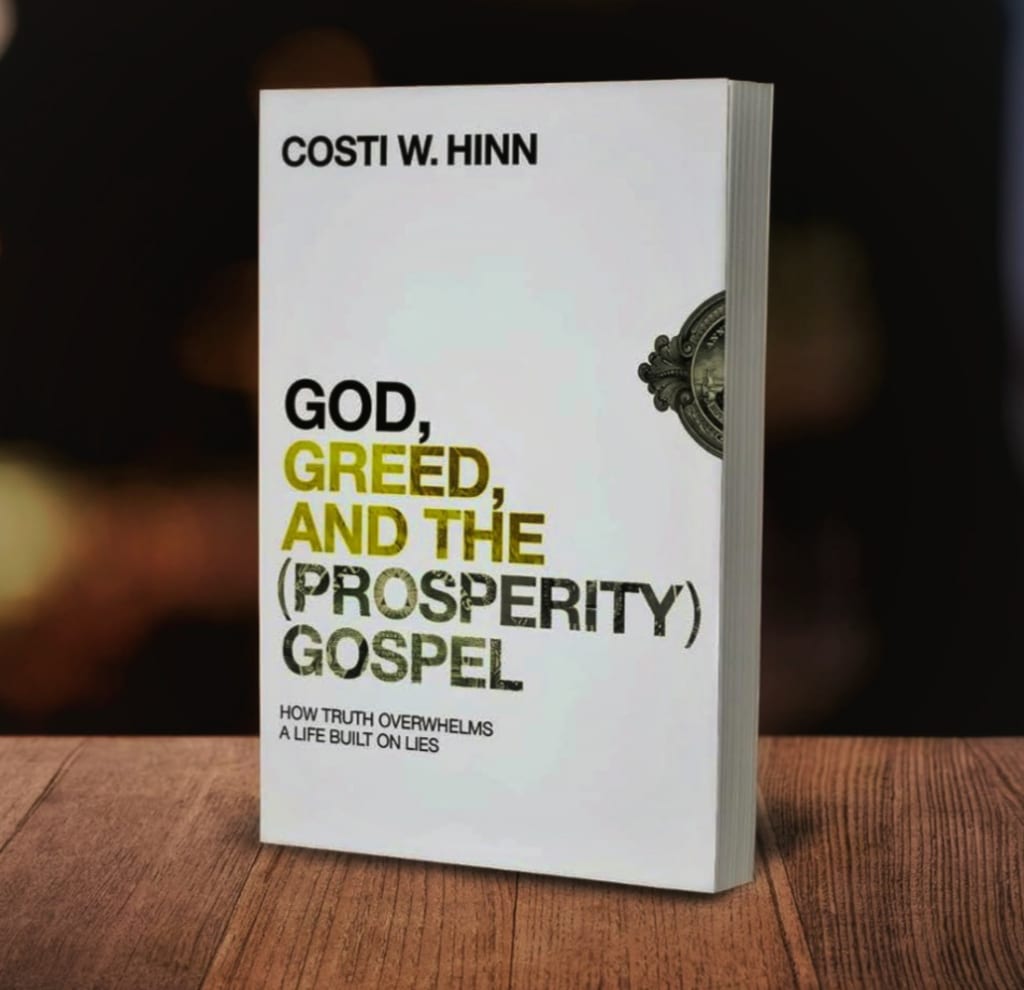
God, Greed, and the (Prosperity) Gospel: Overview and Insights
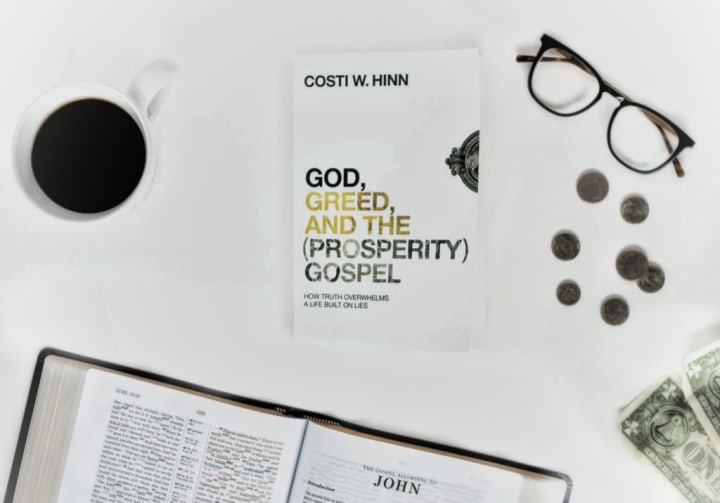
God, Greed, and the (Prosperity) Gospel: How Truth Overwhelms a Life Built on Lies by Costi W. Hinn, published in 2019 by Zondervan, is a 224-page memoir and theological critique that exposes the inner workings of the prosperity gospel—a movement promising wealth, health, and success through faith and financial giving. Authored by the nephew of televangelist Benny Hinn, the book chronicles Costi Hinn’s journey from a life steeped in prosperity theology to embracing what he describes as the true gospel of Jesus Christ. With its blend of personal narrative, biblical analysis, and practical advice, the book has become a significant resource for Christians seeking to understand and counter prosperity teachings. Available in paperback, audiobook, eBook, and Spanish editions, it has an ISBN of 9780310355274 and is praised for its accessibility and humility.
Book Summary
The book is structured in two main parts: Hinn’s personal testimony and a doctrinal critique of the prosperity gospel. The autobiographical section details Hinn’s upbringing in the Hinn family’s prosperity gospel empire, where he was groomed as a successor to his uncle’s global ministry. He describes a childhood of luxury—private jets, mansions, and Rolex watches—funded by donations from followers who believed their gifts would unlock divine blessings. Hinn recounts specific moments, like witnessing desperate people give their last dollars at healing crusades, which planted seeds of doubt. His time at Dallas Baptist University exposed him to evangelical teachings that contrasted with his family’s theology, particularly the idea that suffering could align with God’s will. A turning point came when his fiancée, Christyne, hid her asthma to avoid being labeled faithless, prompting Hinn to question the movement’s harm.
The second part systematically dismantles prosperity gospel tenets, which Hinn argues distort Scripture and exploit the vulnerable. He identifies key falsehoods: that financial giving guarantees prosperity, that believers can “name and claim” blessings, and that sickness reflects weak faith. Using passages like Luke 12:15 (“Beware of all covetousness”) and 2 Timothy 4:3-4 (warning against false teachers), Hinn contrasts these teachings with biblical principles of contentment, stewardship, and trust in God’s sovereignty. He also addresses the movement’s global impact, noting its prevalence in regions like Africa and Latin America, where poverty makes promises of wealth particularly seductive. The book concludes with guidance for engaging prosperity gospel adherents, urging readers to approach them with grace, ask probing questions, and share biblical truth.
Reception and Impact
The book has earned widespread acclaim, averaging 4.5-5 stars across hundreds of reviews on Amazon and Goodreads. Readers praise its storytelling, theological clarity, and Hinn’s refusal to vilify his family despite their role in the movement. The Gospel Coalition lauded its “pastoral heart,” while Tim Challies called it a “powerful testimony” that educates through narrative. On X, users like @SummrWrites (2019) described it as “heart-wrenching” and “eye-opening,” reflecting its emotional and intellectual impact. Some reviewers, however, felt Hinn could have been more forceful in condemning prosperity preachers, given their exploitation. The book is widely recommended for pastors, missionaries, and laypeople, particularly in regions where prosperity theology thrives.
Article: The Prosperity Gospel’s Lasting Influence
The prosperity gospel, also known as the “health and wealth” or “word of faith” movement, remains a polarizing force in global Christianity. Promulgated by figures like Kenneth Copeland, Creflo Dollar, and Benny Hinn, it teaches that faith, positive confession, and financial “seed” offerings unlock divine blessings. While appealing to those in economic hardship, it often leaves followers disillusioned when promised miracles fail to materialize. Costi Hinn’s book highlights this tension, but the movement’s influence extends beyond individual stories, shaping cultural and religious landscapes worldwide.
In the United States, prosperity theology has roots in the 20th-century Pentecostal movement and gained traction through televangelism in the 1980s. Today, it thrives in megachurches and media ministries, with leaders leveraging social media to reach millions. Globally, its spread is pronounced in developing nations, where poverty and lack of social safety nets make promises of supernatural provision enticing. A 2014 Pew Research study found that prosperity teachings are embraced by significant portions of Christians in countries like Nigeria (60%) and Guatemala (55%), often blending with local traditions.
Critics, including Hinn, argue the prosperity gospel misrepresents God as a cosmic vending machine, undermining the biblical call to self-denial (Mark 8:34). It also disproportionately harms the poor, who may give beyond their means, as seen in Hinn’s accounts of crusade attendees. Yet defenders claim it inspires hope and entrepreneurship, citing success stories of faithful givers. The movement’s resilience lies in its adaptability, repackaging itself through influencers and “life coaches” who emphasize positivity over overt theology.
Hinn’s work underscores the need for discernment, urging Christians to test teachings against Scripture (1 John 4:1). His approach—combining personal vulnerability with doctrinal clarity—offers a model for addressing false teachings without alienating those ensnared by them. As prosperity theology evolves, resources like God, Greed, and the (Prosperity) Gospel remain vital for fostering biblically grounded faith.
About the Author
Costi W. Hinn is a pastor, author, and founder of For the Gospel, a ministry providing biblical resources. Raised in the prosperity gospel movement as Benny Hinn’s nephew, he rejected its teachings after studying at Dallas Baptist University and Midwestern Baptist Theological Seminary. He is pursuing a doctorate at The Master’s Seminary and serves as teaching pastor at Shepherd’s House Bible Church in Chandler, Arizona, where he lives with his wife, Christyne, and their six children. Hinn’s other books include Knowing the Spirit and More Than a Healer. His royalties from God, Greed, and the (Prosperity) Gospel reportedly support pastoral training, reflecting his commitment to ministry over profit.
Conclusion
God, Greed, and the (Prosperity) Gospel is a poignant blend of memoir and theology, offering a rare insider’s critique of a pervasive movement. Its impact lies in its ability to educate without alienating, equipping readers to navigate the prosperity gospel’s allure with biblical wisdom. By sharing his transformation, Hinn invites others to seek a faith rooted in truth, not greed.
About the Creator
Am@n Khan
I'm educational storyteller passionate about turning knowledge into engaging narratives.
I write about topics like science, history and life skills.
Contact
WhatsApp : +923336369634
Silver Screen Magic with Mae West
American actress and singer Mae West became a popular film actress during the Great Depression. She started entertaining in vaudeville, then performed on Broadway, and finally went to Hollywood. She signed up with Paramount Pictures and made her debut in the 1932 film “Night After Night.” She also starred in musicals, comedies, and crime dramas. The American Film Institute named her one of the best classic Hollywood actresses.
By Rasma Raisters4 days ago in Geeks
Sadie Sink Found Out About Her ‘Spider-Man’ Casting Via Online Speculation: “There’s Sometimes Some Truth To It”
Although sworn to secrecy by the MCU, Sadie Sink admits there’s sometimes some truth to the online fan theories. The actress, who will star in Spider Man Brand New Day in an undisclosed role, admitted “it’s torture” not being able to tell people which character she’s playing in the fourth installment of the Marvel Studios franchise.
By Dena Falken Esq7 days ago in Geeks




Comments
There are no comments for this story
Be the first to respond and start the conversation.