
Book Review: Atomic Habits - How Atomic Habits Can Transform Your Life
Small Steps, Big Results – The Science of Building Good Habits & Breaking Bad Ones

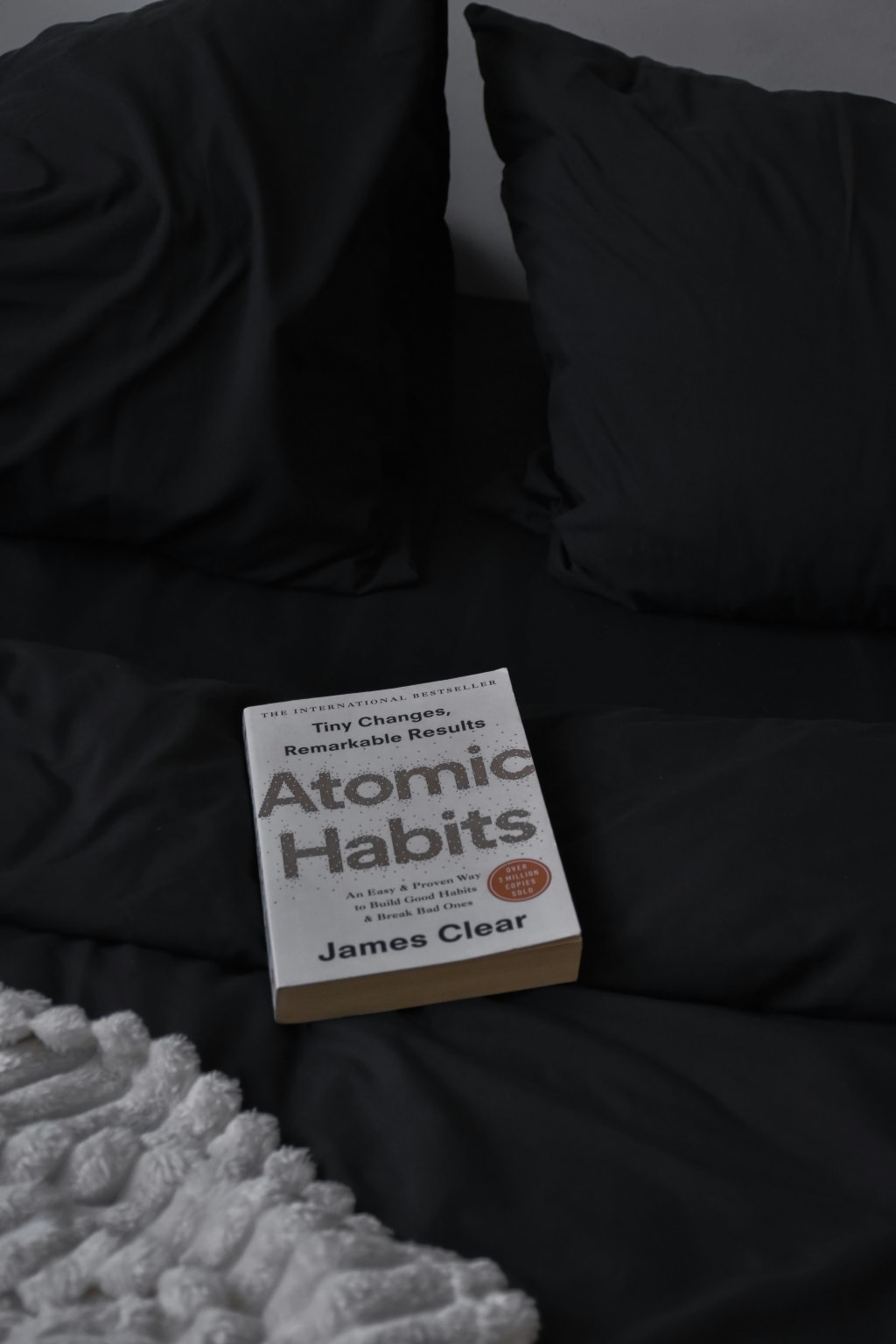
📖 The Power of Tiny Changes: How Atomic Habits Can Transform Your Life 🚀
Small Steps, Big Results – The Science of Building Good Habits & Breaking Bad Ones
👨💼 ABOUT THE AUTHOR: JAMES CLEAR
James Clear is a renowned writer, speaker, and productivity expert focused on habits, decision-making, and continuous improvement. With over 2 million book copies sold and a popular newsletter with hundreds of thousands of subscribers, Clear has become a leading voice in personal development.
His work is backed by scientific research in psychology and neuroscience, making Atomic Habits a practical and evidence-based guide to behavior change. Clear’s insights have been featured in The New York Times, Forbes, Time, and Harvard Business Review.
🔍 INTRODUCTION: WHY TINY CHANGES MAKE A BIG DIFFERENCE
Most people underestimate the power of small habits. We chase massive transformations—losing 30 pounds, writing a book, building a business—but overlook the daily 1% improvements that compound over time.

James Clear explains:
"You do not rise to the level of your goals. You fall to the level of your systems."
This means success isn’t about motivation; it’s about systems. If you improve just 1% every day, you’ll be 37 times better in a year. But if you decline by 1% daily, you’ll drop nearly to zero.
🧩 The Four Laws of Behavior Change
Clear introduces four core principles for building good habits and eliminating bad ones:
1. � Make It Obvious (Cue)
Bad habits persist because they’re invisible. To change, you must increase awareness.
Habit Stacking: Link a new habit to an existing one (e.g., "After I brush my teeth, I will meditate for 2 minutes.")
Environment Design: Make cues for good habits obvious (e.g., place a book on your pillow to read before sleep).

2. 💡 Make It Attractive (Craving)
We adopt habits because they’re rewarding.
Temptation Bundling: Pair something you need to do with something you want to do (e.g., listen to a podcast only while working out).
Social Influence: Join a culture where your desired behavior is normal (e.g., fitness groups for exercise motivation).
3. 🛠️ Make It Easy (Response)
Reduce friction for good habits; increase it for bad ones.
The Two-Minute Rule: Start with a habit so easy you can’t say no (e.g., "Read one page a day").
Automation: Use technology to lock in habits (e.g., automatic savings transfers).
4. 🎁 Make It Satisfying (Reward)
We repeat what feels rewarding.
Immediate Reinforcement: Track habits with a checklist or app for instant gratification.
Accountability: Use a habit contract (e.g., "If I skip the gym, I pay my friend $50.")

🚫 Breaking Bad Habits: Inversion of the Four Laws
To eliminate a bad habit, reverse the framework:
Make It Invisible (Remove cues, like keeping junk food out of sight).
Make It Unattractive (Reframe the habit’s downsides).
Make It Difficult (Add friction, like uninstalling social media).
Make It Unsatisfying (Add accountability, like a penalty for failure).
📈 The Compound Effect of Atomic Habits
Small habits don’t just add up—they multiply.
💰 Finances:
Saving 10daily becomes 3,650 in a year.
📚 Learning: Reading 10 pages a day = 12+ books a year.
💪 Fitness: One workout a week leads to 52 workouts annually.
Clear writes:
"Time magnifies the margin between success and failure. It will multiply whatever you feed it."

🎯 Identity-Based Habits: The Key to Lasting Change
Most people focus on outcomes ("I want to lose weight"), but lasting change comes from identity shifts ("I am a healthy person").
Every action is a vote for the person you want to become.
Habits are not just what you do—they shape who you are.
Example:
Smoker → Non-smoker: Instead of "I’m trying to quit," say "I don’t smoke."
Writer’s Mindset: Instead of "I’m writing a book," say "I am a writer."
🔑 Key Takeaways & Actionable Steps
Start small—1% improvements compound.
Design your environment for success.
Focus on systems, not just goals.
Build identity-based habits.
Track progress for motivation.
🎬 Final Thought: The Aggregation of Marginal Gains
British cycling coach Dave Brailsford used the "1% rule" to turn his team into champions. By improving every tiny aspect—bike seats, sleep, nutrition—they dominated the Olympics.
The same applies to life. You don’t need radical changes—just consistent, tiny improvements.

As Clear says:
"You should be far more concerned with your current trajectory than with your current results."
🚀 Your habits today determine your future self. Start small, stay consistent, and let the power of atomic habits work for you.
📖 Ready to Transform Your Life?
Atomic Habits is more than a book—it’s a blueprint for success. If you want to build better habits, break bad ones, and achieve long-term growth, this is a must-read!
About the Creator
Am@n Khan
I'm educational storyteller passionate about turning knowledge into engaging narratives.
I write about topics like science, history and life skills.
Contact
WhatsApp : +923336369634
A Knight of the Seven Kingdoms Series Review (Season 1)
As one of the biggest properties in fantasy, A Song of Ice and Fire remains immensely popular with audiences. After reaching far into the past with House of the Dragon, a second spin-off was on the cards. A Knight of the Seven Kingdoms serves up a bite-sized slice of action and drama, but it still claims a spot among the best small-screen titles.
By Robert Cain7 days ago in Geeks


Comments
There are no comments for this story
Be the first to respond and start the conversation.