

Well, we are underway to the 700s and now, I want to say a massive thank you to anyone who has stuck around this far. I also want to say how thankful I am for having made some new friends online this year. I've joined some new book clubs, read alongs and other bookish things that have required me to actively and socially participate - something I would've been very reluctant to do last year.
We're just over halfway through the year and I think we could possibly hit the 1'000 mark - but I can only do that with your help. Honestly though, I don't actually read for speed, the only reason I end up reading so fast is because I refuse to get up until my book is finished. Often, I become too immersed in the book and end up reading the whole thing in a few hours. With poetry anthologies though, there's something about spreading it out over the course of a day which is so much nicer.
As we get this next part started, I would also like to say a thank you to everyone who has made friends with me over the past year - honestly, I've never felt so popular. I'm actually discussing things with people who care what I'm talking about and take me seriously. It's new to me. And with that all said and done, I'm looking forward to the rest of the year being a great one, filled with great books and great people.
Here's the next twenty books then - numbers 701 through to 720...
701. Old Greek Stories by James Baldwin
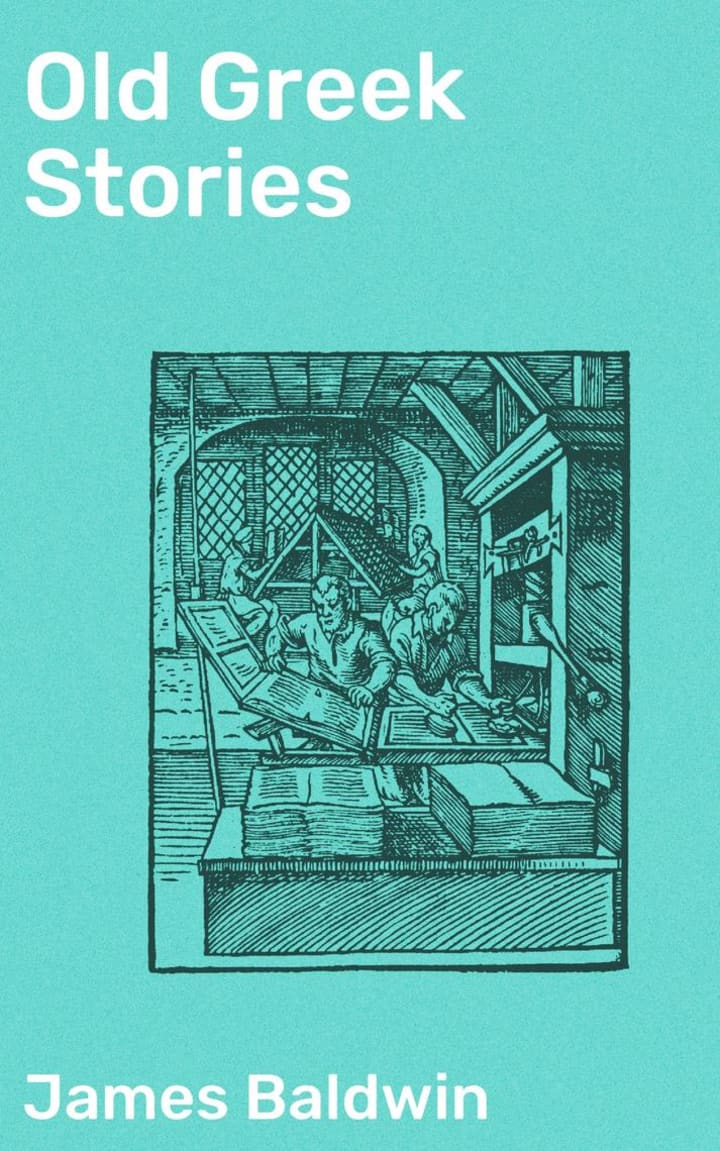
The Greek Stories written by James Baldwin are truly something else because they contain a lot of symbols and themes that are often relative to the agendas and beliefs of the prolific racial justice writer. For example: there is a huge theme of fratricide and a big theme of the ill-treatment of your fellow man. This is obviously relative to the work that James Baldwin did on the Civil Right's Movement. But there is also a big critical theme of Greece and how Greece was built on war and violence from the myths - and this translates over to obviously the love that James Baldwin has for America and that is why, as he said himself, he must be critical of her.
702. Journal of a Plague Year by Daniel Defoe
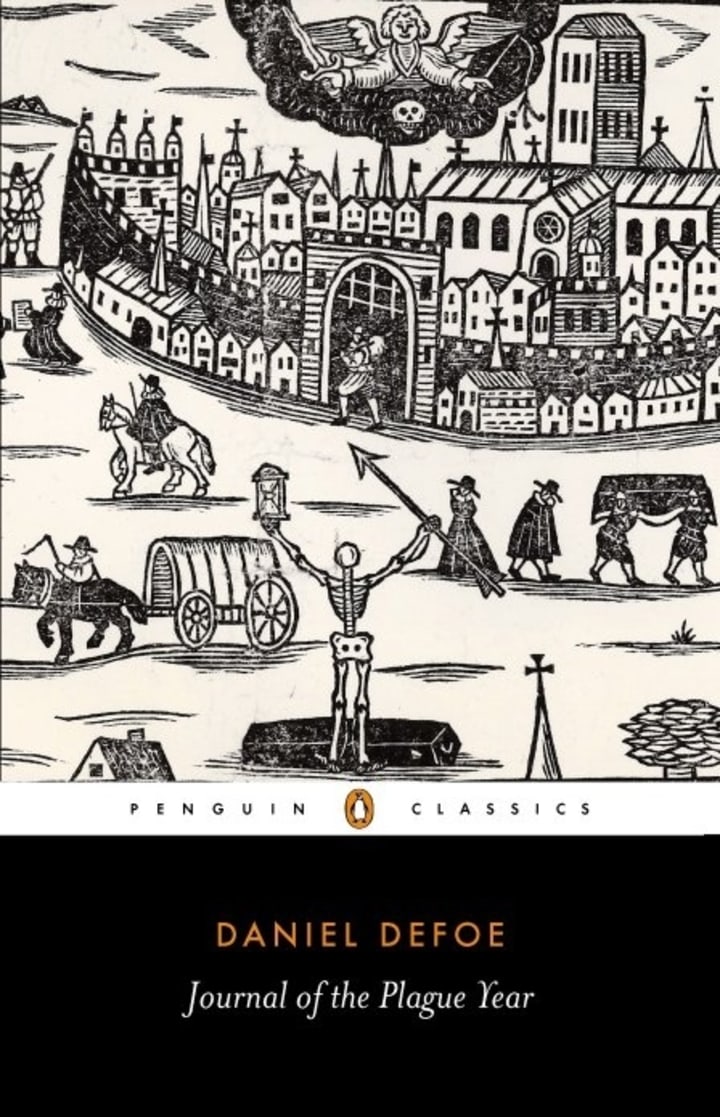
Gosh, I read this a long, long time ago - in fact it was so long ago that I pretty much forgot the feeling of it altogether. I gave it another read and I was hooked on the language of death, the perplexing solitude of the era and the way in which Defoe lets us know that this is far from the end, and actually it is a new beginning. The normality is gone, the people are gone, some of those whom he once knew have disappeared and all this time, he has been in London - waiting for it to all be over. Tinged with existential thoughts and near-madness, this book is by far, his best. (Sorry Robinson Crusoe, but it had to be said).
703. Homesick for Another World by Ottessa Moshfegh
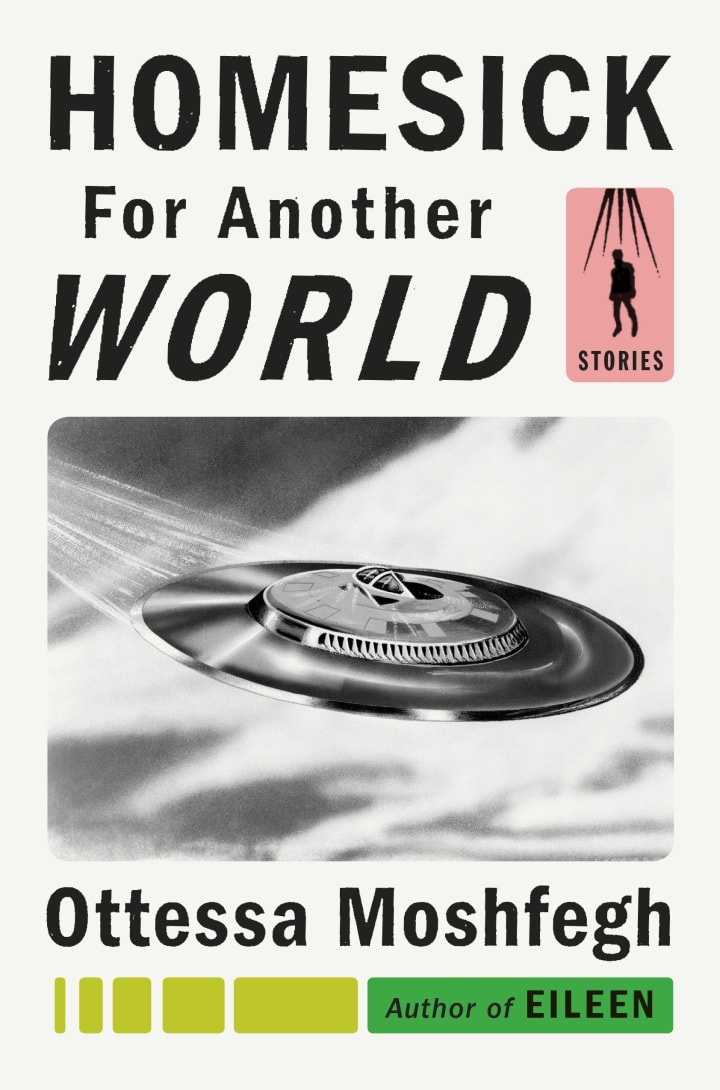
I had been waiting a while to read this because I wasn't overly fond of "My Year of Rest and Relaxation" even though it was well-written, I just couldn't get into it. But, I found this book to be completely different. In style, it was more like "Eileen" because of its psychological madness and obsessive and compulsive natures of characters. The feeling of being liberated from one's own mind but the inability to get out and ultimately convincing yourself that this is exactly where you want to be. A group of strange and absurd short stories (where the one set in the arcade grossed me out just a little) Moshfegh proves that she is our generation's Virginia Woolf with her avid psychological realism.
704. Crying the News by Vincent DiGirolamo
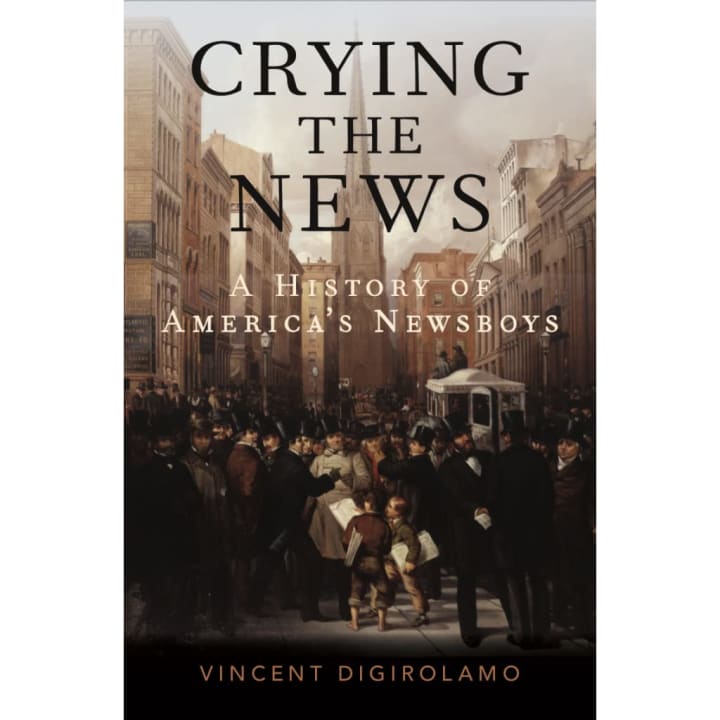
I got this book for Christmas and I have read it a few times since. I was reading it recently purely out of the fact that it was on my shelf and I'd been meaning to re-read it for a while having not picked it up since the start of Spring. I revisited all my favourite parts such as the part about the newsboys' and their gambling, "Children of the Breech" and that very last page that leaves you with eternal thoughts about how these children survived through a society raging in Civil War, losing money by the pocket-load and practically against them as the lower working class in every way. They are inspirational young children who deserve to be immortalised by this incredible text.
705. The Aeneid by Virgil
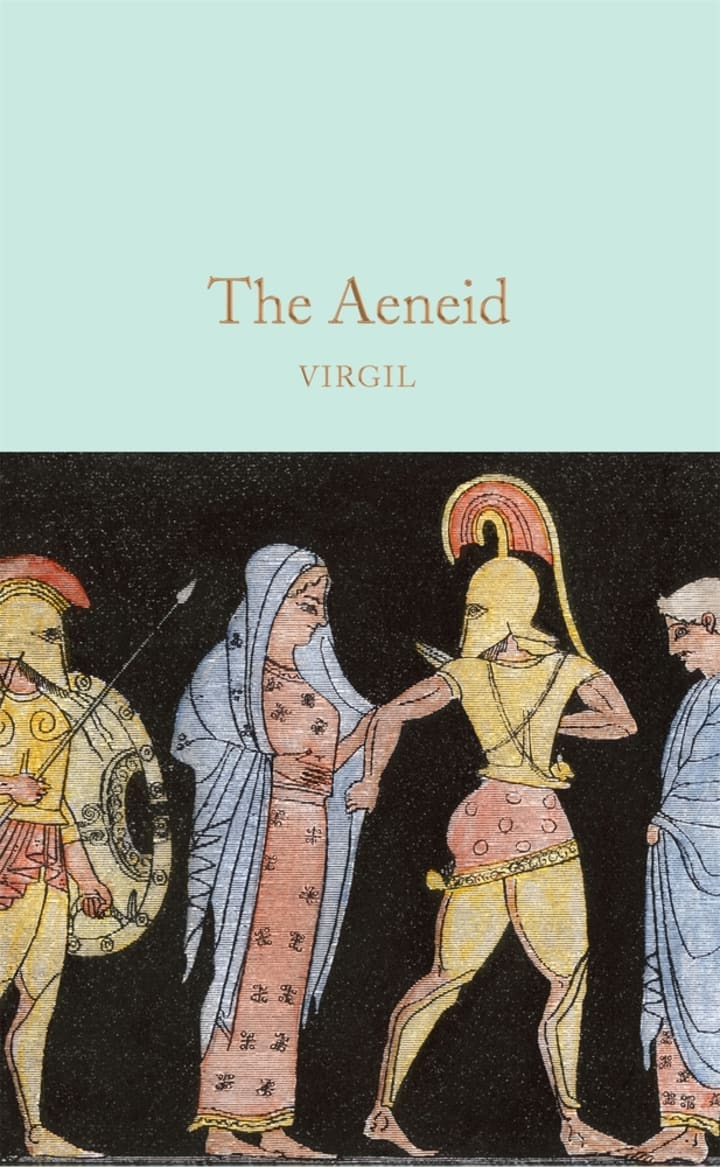
Yes, I'm on a re-reading spree but I re-read this one because I recently wrote an article about it. Personally, I like to read either the Penguin Edition of the book (the old translation) or the Cecil Day-Lewis translation (and I think that is the OUP edition). I love the thunderstorms, the raging love of Dido of Carthage, the denouement, the discovery of the Latin people and that absurdist ending that nobody can quite put their finger on. It is a beautiful book that is often overshadowed by Homer's works but requires just as much recognition. It is one of my personal favourite texts of all time.
706. A Sentimental Journey by Laurence Sterne
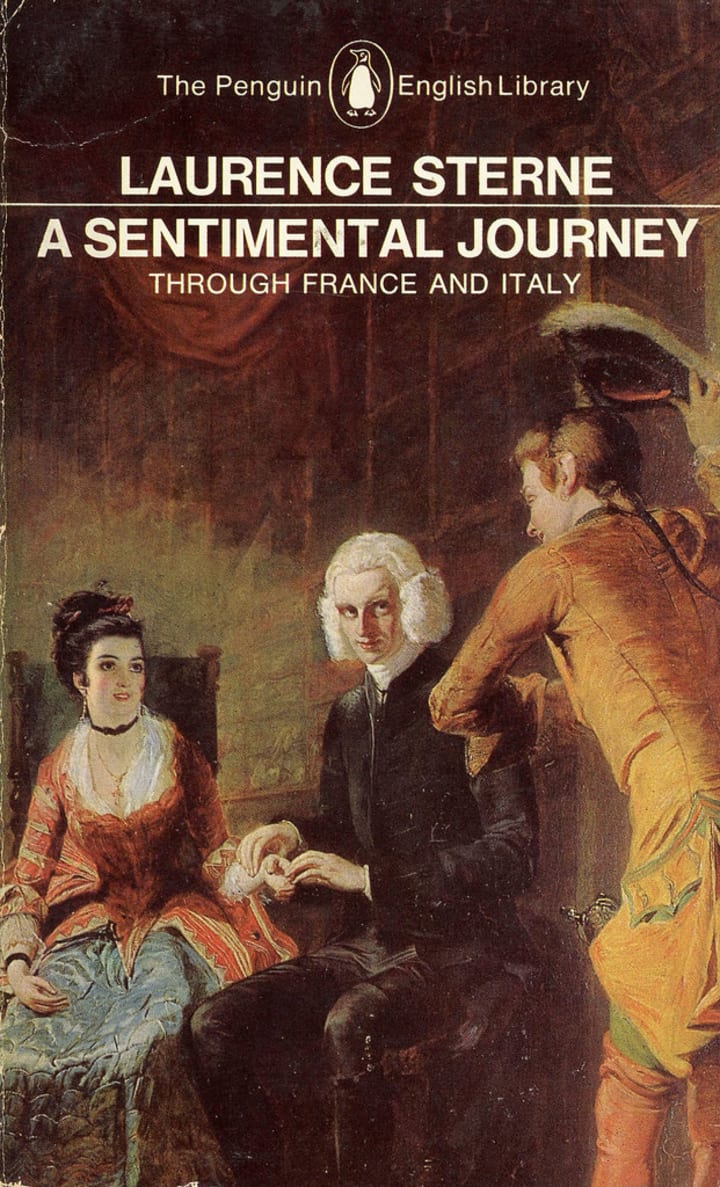
I waited a while before reading this because I didn't know whether my view of Sterne as the author of the comedic "Tristram Shandy" wanted to change yet. This book though wasn't all that great. It was thoroughly average but I found it underwhelming and often boring with the writing style being completely different to that of Sterne's magnum opus. The blandness made the book almost tedious to read at times. It definitely was not my thing.
707. Gorgias by Plato
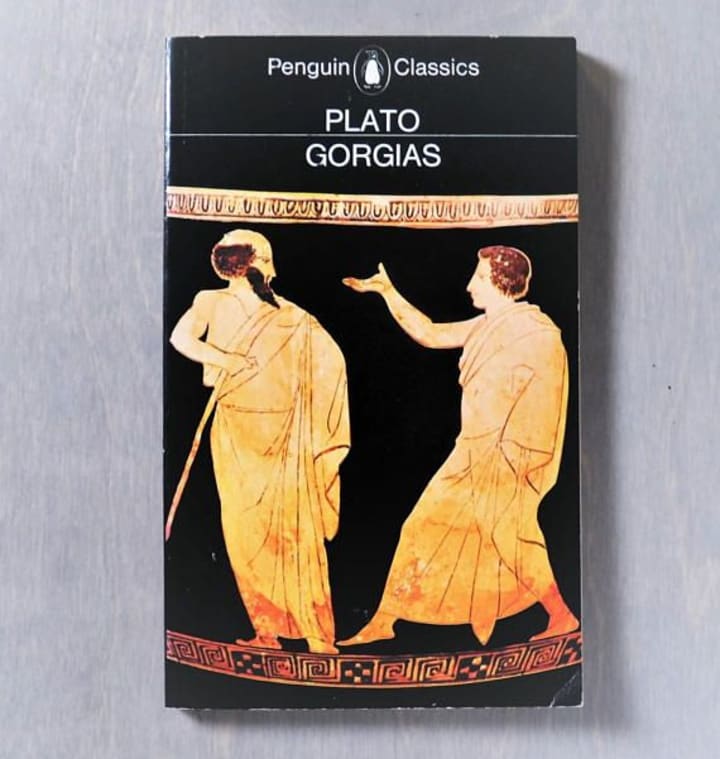
I often have heavily critical things to say about Plato and his writings because normally, I'm not going to lie, they're boring. But this one, like "Symposium", was different. It spoke clearly about the fact that Socrates and Plato both seemingly have problems with the value of rhetoric, asking the question of whether the rhetorician can be held responsible for the justices or injustices of the law courts when it comes to sentencing a criminal. It was actually pretty interesting regarding the fact that this is written by Plato who is basically just a Socrates fan-boy.
708. Jezebel’s Daughter by Wilkie Collins
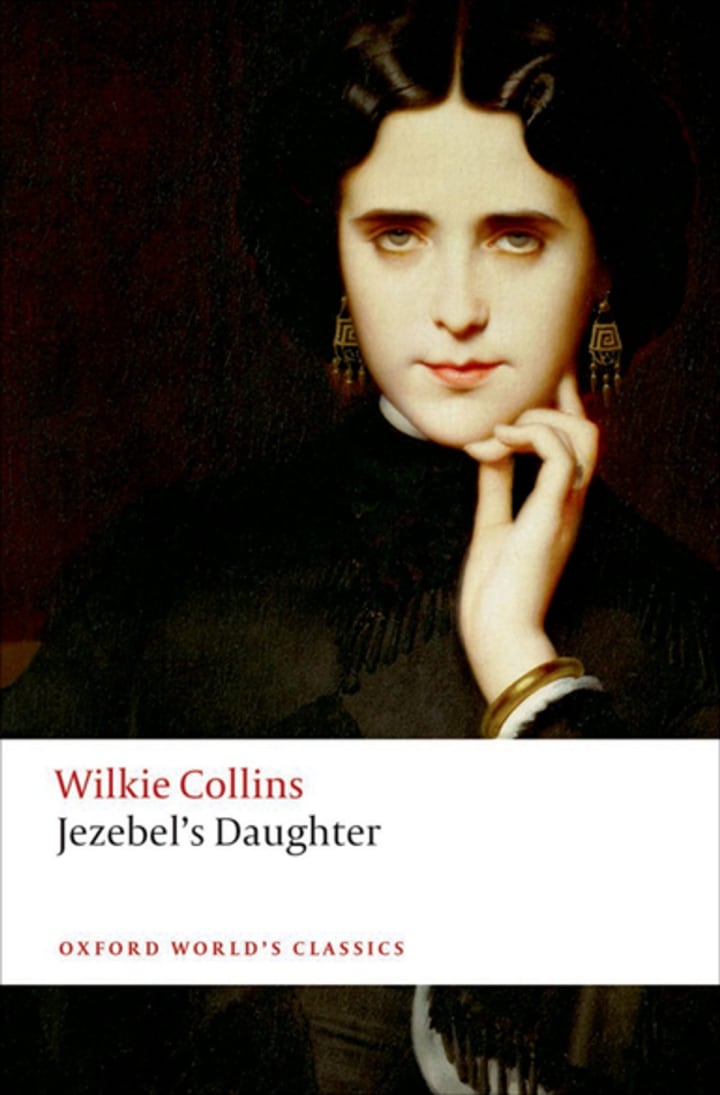
I was actually looking forward to reading this but, I wasn't all too impressed as the book went on. In the beginning, we get a double death and a woman visiting the Bedlam Insane Asylum. However, when the book gets underway, the pace often was cause for concern because it became very languid, giving the romantic impression. When the ending came around, I thought I had taken too simple of a guess what was going to happen, but in fact that was exactly what happened after all. The ending was a let down.
709. Orlando Furioso by Ludovico Ariosto
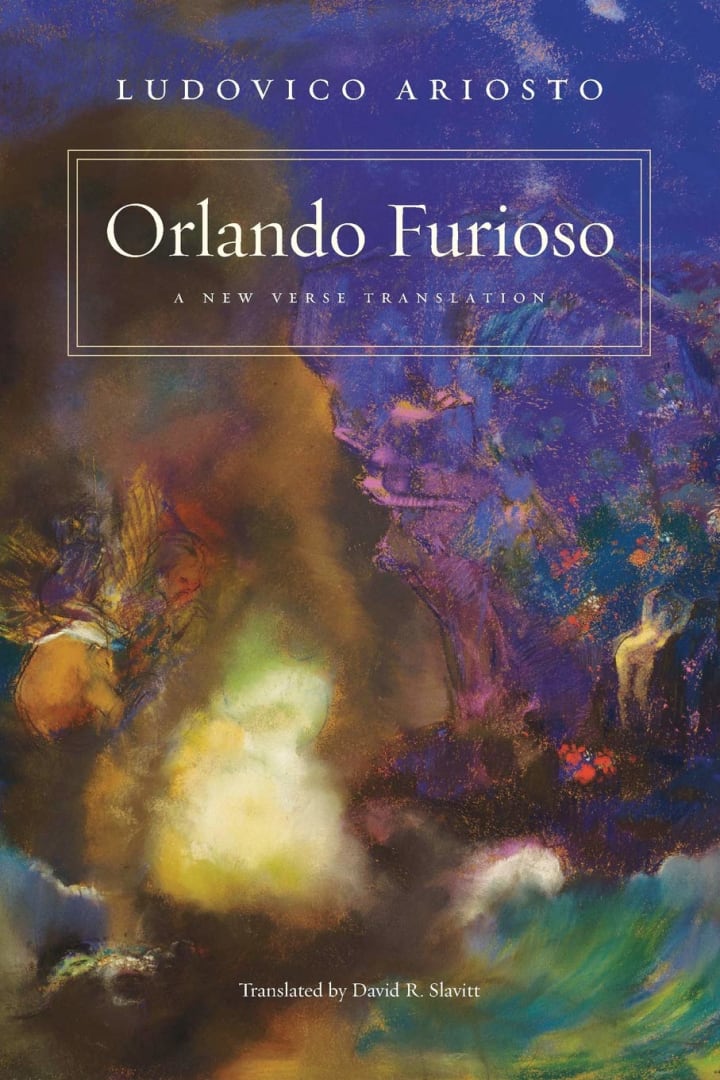
Whilst I was reading this I thought about how similar this was to something like Don Juan by Byron. It was a story set against certain backdrops of war that provided great fillers for when the characters themselves weren't doing anything too interesting. There were certain phrases and words that were repeated over and over, a clear indication of the inspiration takes from the oral tradition. All in all, the book was pretty good, I was impressed that Ariosto was able to fit in so much into the poem.
710. Indiana by George Sand
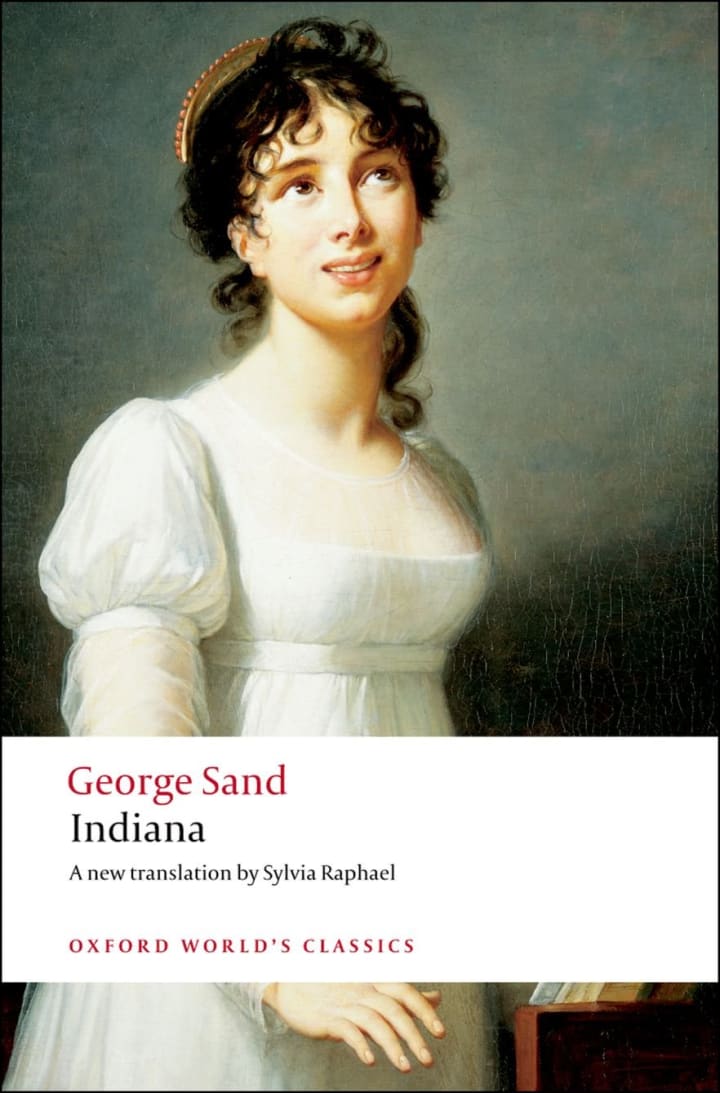
A story about a creole white woman and her maid who is black, or at least mixed race - this involves love, tragedy and family in one of the best works I've read by George Sand. She describes the way in which the two women have this almost private language that the man involved cannot understand as they are not only female, but very close. But they may even be closer than they both initially thought.
711. Man and Wife by Wilkie Collins
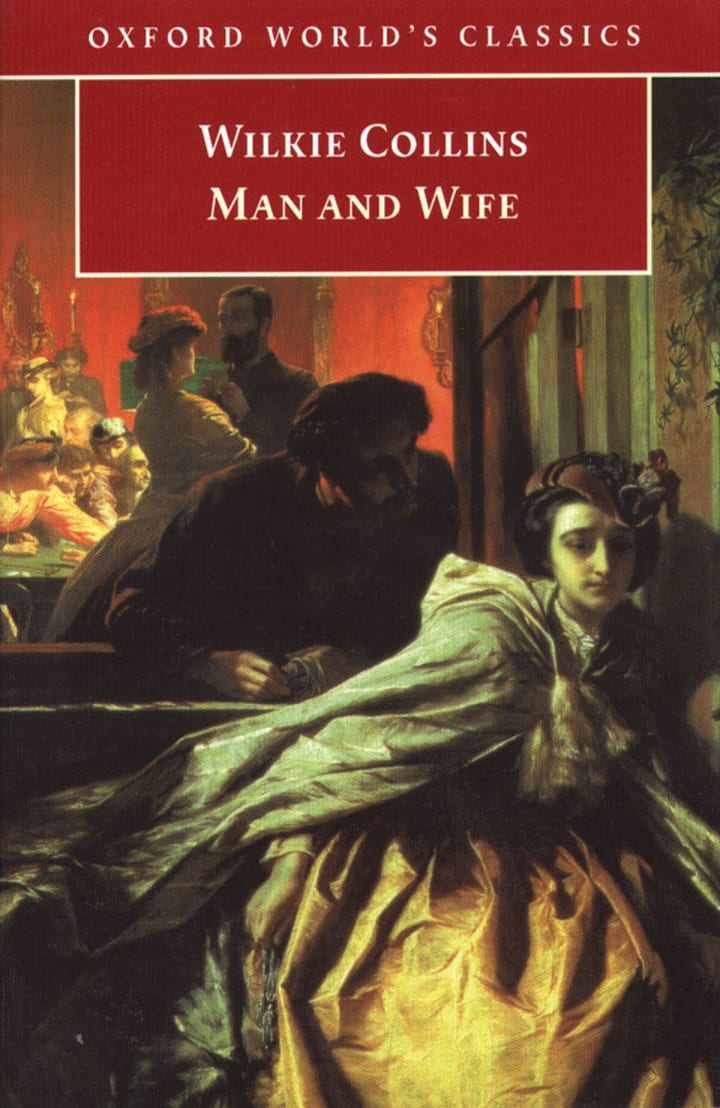
Normally, I'm very into Wilkie Collins novels with "The Moonstone" being one of my favourites next to "The Haunted Hotel" - but this one I found a little tedious mainly because of the writing style. Normally Collins' sensationalism jumps from the page in scandal and existential thought, but with this one there was almost a dullness to it as if the language had been regressed in comparison to his other books. Simpler than his various other novels, this book would've been better if it was the first Collins' book I read.
712. Jacques the Fatalist by Denis Diderot
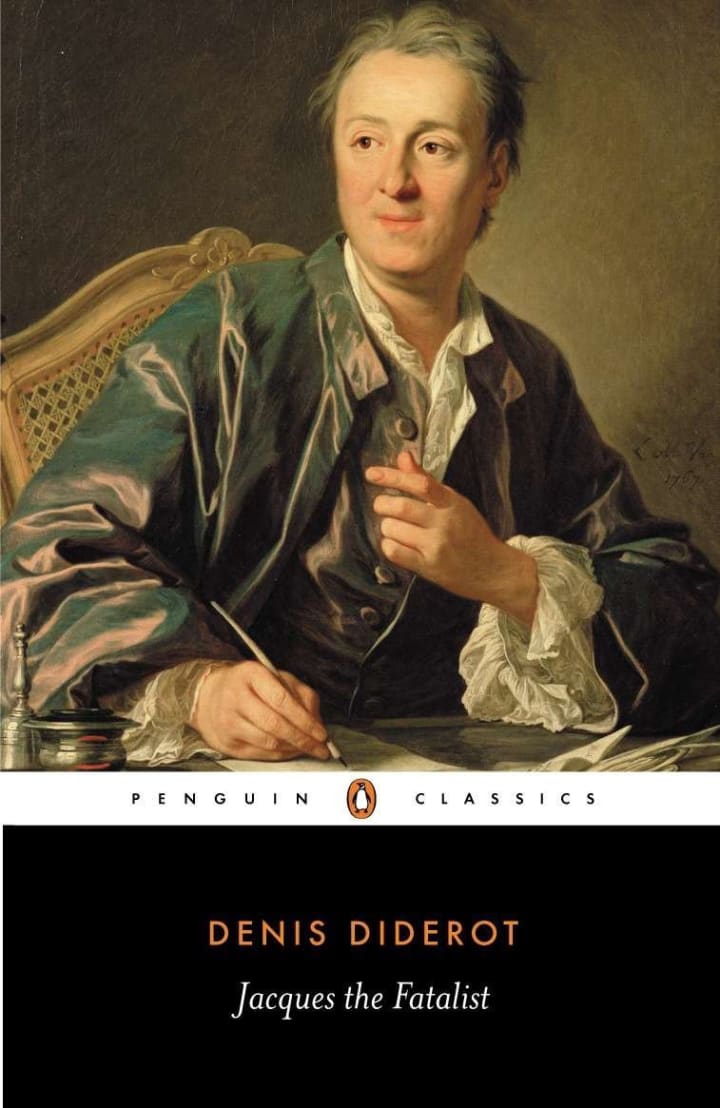
I had been waiting forever to read this book, mainly not buying it because it was too expensive or always out of stock. I was very impressed by the way the book was structured when I read this. It was structured in a narrative primarily with hints of play script within it and then, there were moments when the author would discuss with the reader through a question and answer sort of thing. It was all about these two men and their differing approaches to life and morality, totally the thing you'd expect from Diderot.
713. Murder Trials by Cicero

What is better than reading about Cicero and his rhetoric during various murder trials? Absolutely nothing. There was one that I read about a father who was murdered apparently by his son. Cicero's job was to prove that it wasn't the son who murdered him but other men who had conspired against both son and father in order to get the money and property from the man. Cicero's rhetoric is an interesting story of events and reason - his use of language is just incredible and entertaining.
714. Mexican Gothic by Silvia Moreno-Garcia
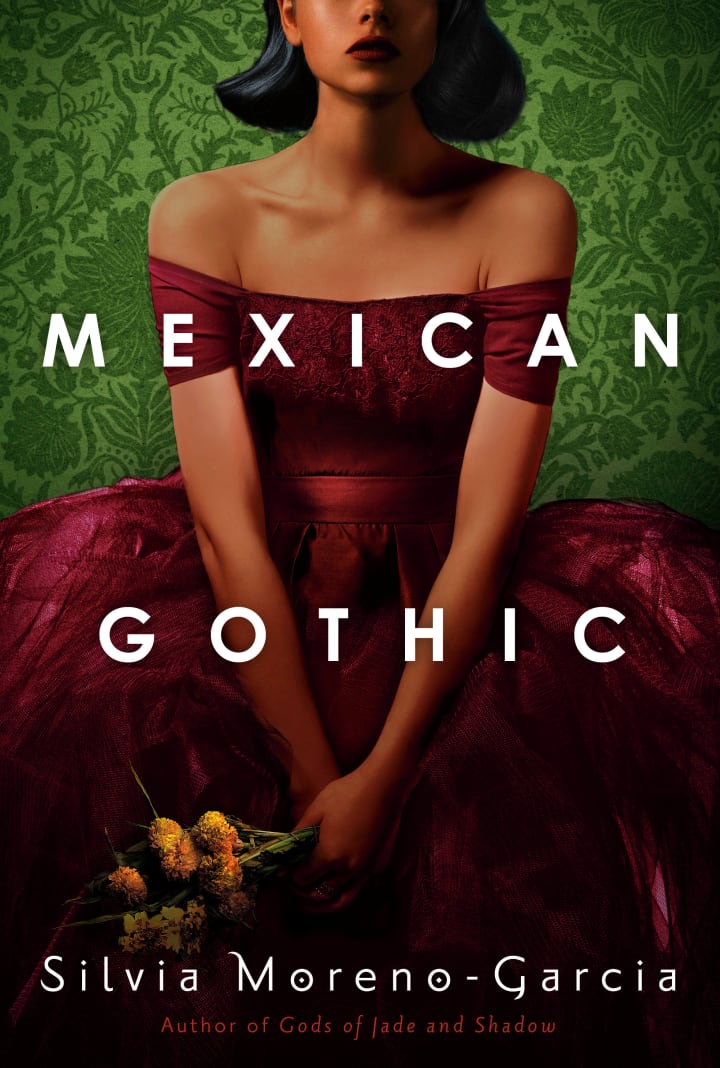
This book was all the rage online and so, I wanted in to read it too. Unfortunately, at the beginning, I wasn't all too impressed with it because of its slow and often tedious writing style and storyline. As the story progressed through the narrative though, I felt like I was getting to know the characters more and the storyline had developed more past this love story that was kind of hollow and unrealistic. Unfortunately, the ending was pretty darn awful and though I won't say what it is - though the writing was really good, the ending itself was really anti-climatic.
715. French Decadent Tales
At the fin-de-siecle, France was pretty much the epicentre of the 'decadent' aesthetic era and because of this, it was a massive scandal in Europe to see what was coming out from the country. This anthology gives us an insight into those stories, excerpts and short narratives. By people like Richepin, Maupassant and Boly, this anthology can still shock and thrill us today, I can't imagine what it did to Aesthetic Era-Europe and especially the prim and properness of Victorian England.
716. Corinne, or Italy by Madame de Stael
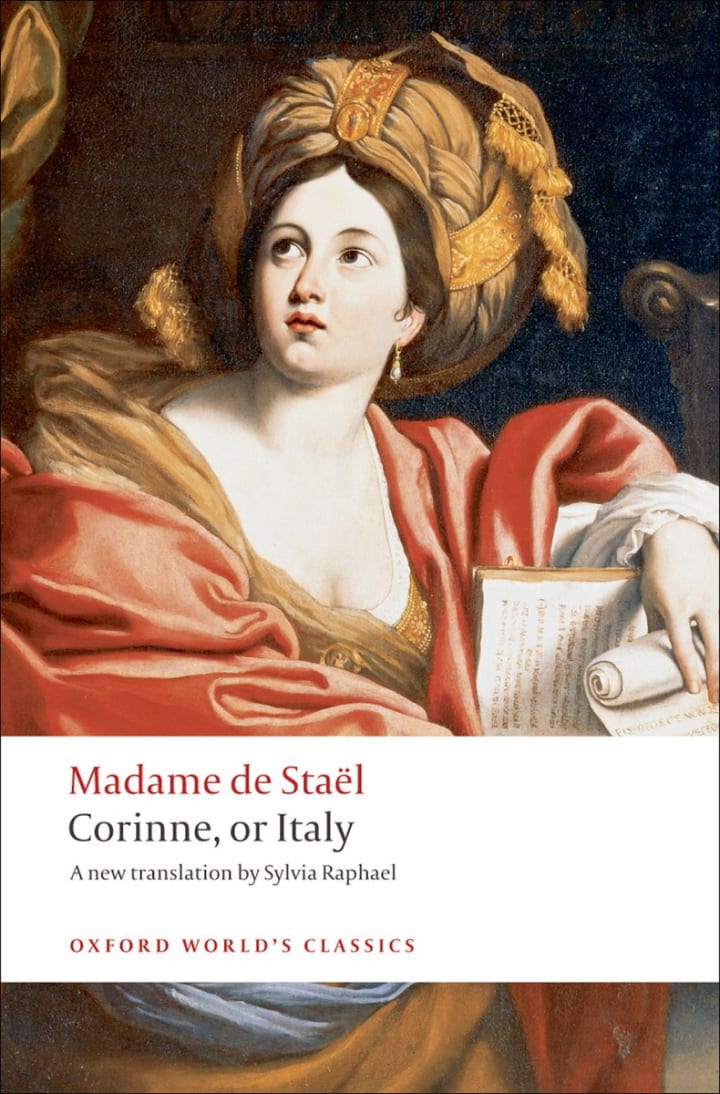
This book is about a man who was meant to marry a proper English Lady because his family had previously said he should. When his elder dies, he takes a trip to Italy and meets a woman called Corrine. Corrine becomes his obsession and though he knows he must marry the other woman and is now stuck in this position of want and need. It turns into an almost Shakespearean tragedy and is one of de Stael's greatest pieces of writing in my humble opinion. It's a brilliant, brilliant book.
717. Meno and Other Dialogues by Plato
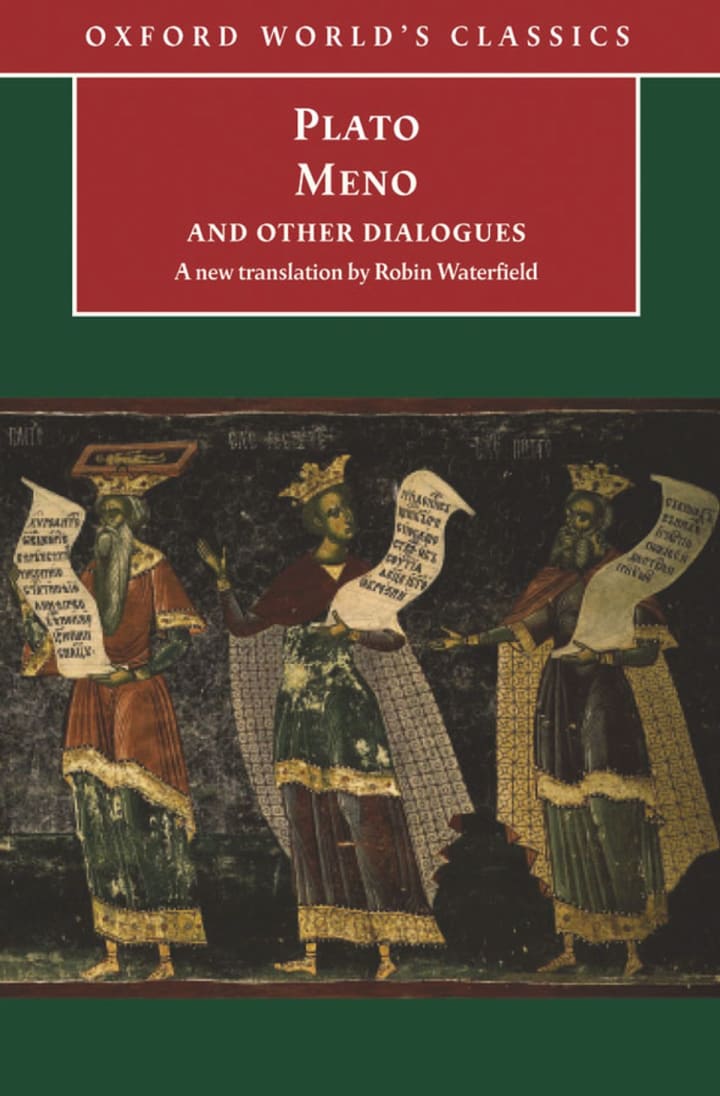
Normally, I try to find something good in Plato's works because in reality, they are very dry to read. The reason I read them is to try an get a hold on certain beliefs and systems of the openings of Western Philosophy. But this one was especially dry. Be that as it may, the ideas of the teachings of excellence, aesthetic brilliance and the want to achieve perfection are clearly present in this book which are not really covered in other works by Plato as thoroughly.
718. The Campaigns of Alexander by Arrian
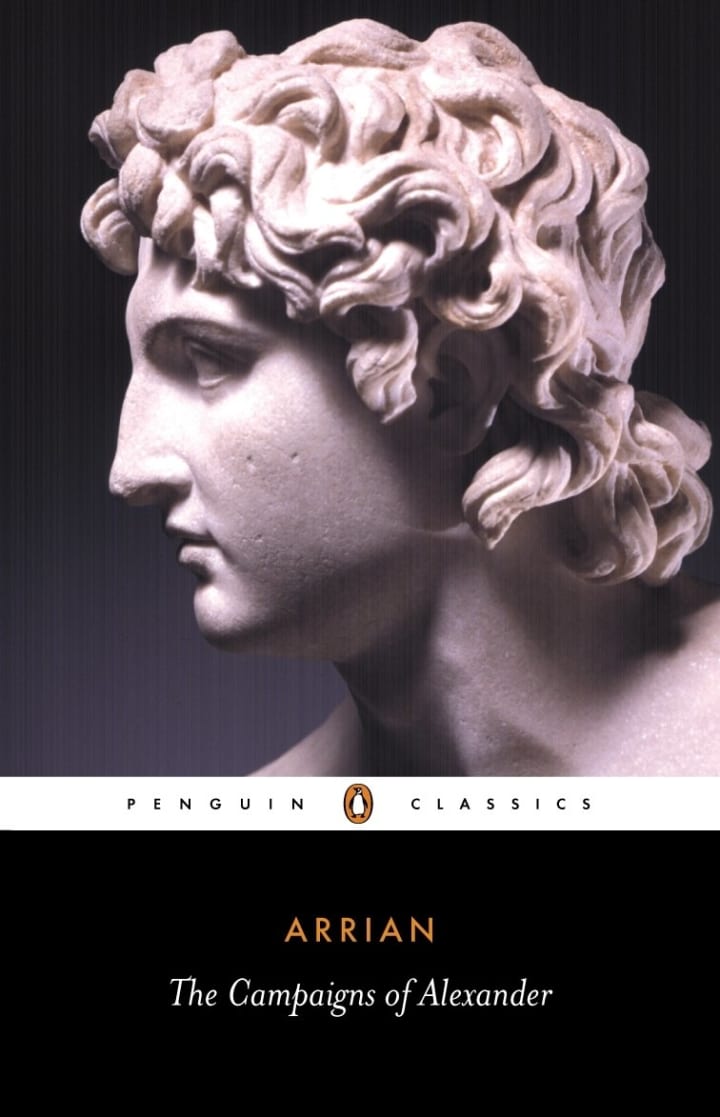
I like reading books about Alexander because I like to debunk the myth that he was "Alexander the Great" because in reality, he was "Alexander the Coloniser" and in most respects "Alexander the Racist" as well. This book is a great piece of propaganda for the Alexander campaign written after the king has died. It mentions a few other writers who wrote about Alexander's life shortly after the king's death and various campaigns that he went on in which he may have won the campaign but there were obviously massive sacrifices made and these campaigns were often very expensive. So, we get to also see through the propaganda, it is both a great piece of propaganda and a terrible piece of propaganda, purely for those reasons.
719. London Labour and the London Poor by Harry Mayhew
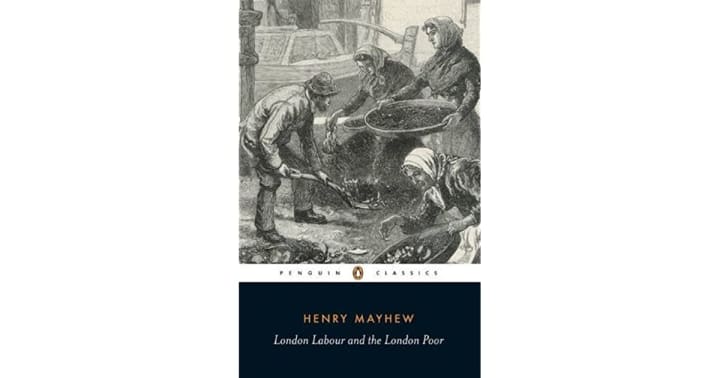
This book was pretty awesome because it is very much like a Dickens' novel, only it is not a novel at all. The book is split up into different sections about the poorer working classes of London during the late 19th century and the way in which these people live and thrive. We have everyone from the washerwomen to the fruit and vegetable sellers. The market stalls and the sales places are all super Victorian and the class discrimination is just as rife as it has always been. There's something really dark about this piece of journalism and you wonder about whether these people had enough money to live long enough or did they die because they ran out of food to eat or water to drink.
720. On Murder by Thomas de Quincey
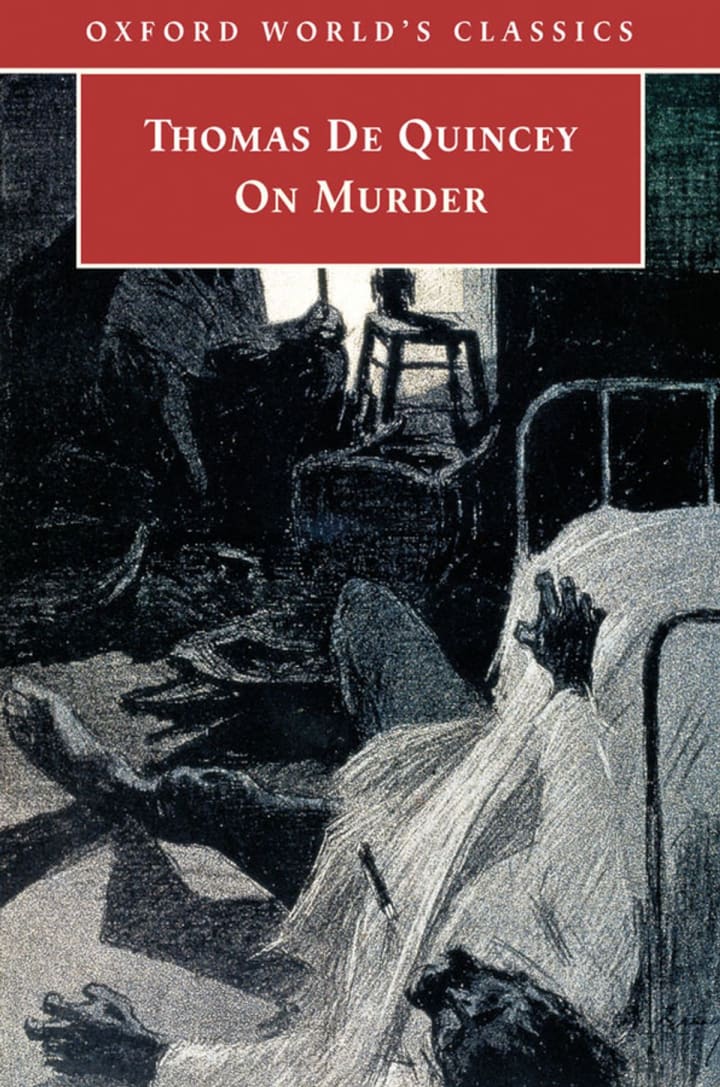
Thomas De Quincey's lectures on murder are, at first, pretty confusing because he goes on talking about having a meeting with Samuel Taylor Coleridge and then a fire breaks out on Oxford Street and they both run to see what was going on. But then, he starts going into classical antiquity, the dark ages and beyond to try and paint a picture of why people have a reason to murder and specifically, the upper classes and ruling classes. I found this book very important to understanding that there is a large history behind murder and how murders are achieved without the murderer being caught. After reading the "Murder Trials" by Cicero - this has been an interesting experience.
About the Creator
Annie Kapur
I am:
🙋🏽♀️ Annie
📚 Avid Reader
📝 Reviewer and Commentator
🎓 Post-Grad Millennial (M.A)
***
I have:
📖 280K+ reads on Vocal
🫶🏼 Love for reading & research
🦋/X @AnnieWithBooks
***
🏡 UK
Keep reading
More stories from Annie Kapur and writers in Geeks and other communities.
"Richard II" by William Shakespeare
It’s been quite a while since I first read Shakespeare’s “Richard II” and to be honest, it’s not even my favourite Shakespeare play but what it did do is it changed the way I thought about Shakespeare forever. The way in which I first discovered it was pretty simple. My favourite play by Shakespeare that I tended to read over and over was and still is, “Richard III” and when I went to go and pick it up from the library, I decided to take the other Richard home with me as well. My first experience of reading “Richard II” was something that was so important, I got it down in my diary at the age of fourteen. “I cannot believe it, Shakespeare writes a character that is both good and bad at the same time and I can’t decide whether I should like him and feel sorry for him or absolutely despise him because of what he did to his cousin…” It goes on. I also couldn’t decide whether it was really a deposition or whether it was really an abdication. It was a complex problem that only intense re-readings could solve. It completely changed my perception of the Shakespearean character because until then, I was able to categorise characters as good and bad - now though, I was dealing with Richard II and he seemed to be both.
By Annie Kapur6 years ago in Geeks
Silver Screen Magic with Mae West
American actress and singer Mae West became a popular film actress during the Great Depression. She started entertaining in vaudeville, then performed on Broadway, and finally went to Hollywood. She signed up with Paramount Pictures and made her debut in the 1932 film “Night After Night.” She also starred in musicals, comedies, and crime dramas. The American Film Institute named her one of the best classic Hollywood actresses.
By Rasma Raisters7 days ago in Geeks


Comments
There are no comments for this story
Be the first to respond and start the conversation.