
Why Gaming Isn’t Fun Anymore
And What Streaming, Esports, and Modern Design Did to It

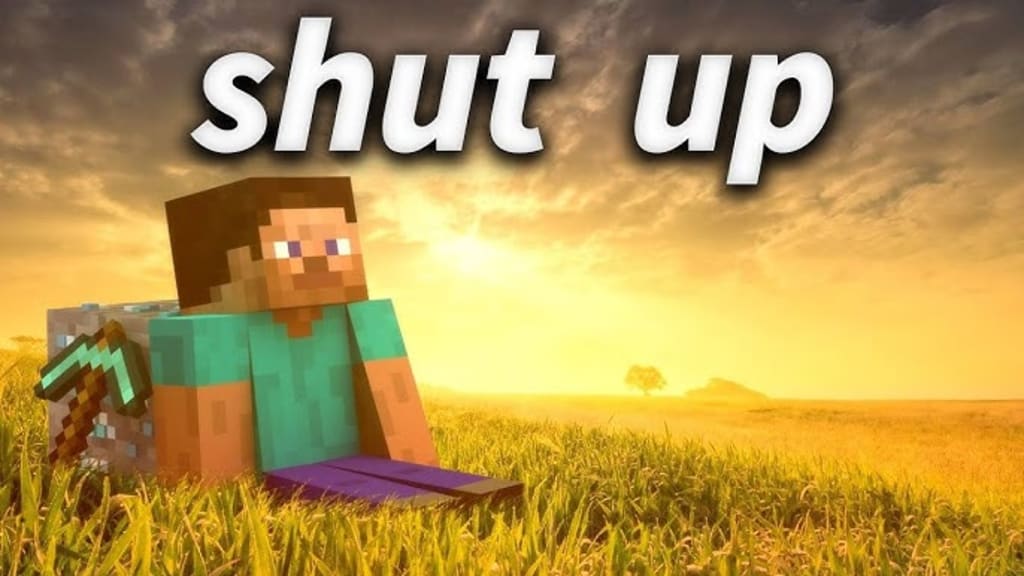
Gaming used to feel effortless. You turned on a console or PC, loaded a game, and lost track of time without thinking about metas, rankings, or performance. It was about curiosity, challenge, and fun. Somewhere along the way, that feeling started to fade for many players. Today, gaming often feels louder, faster, and more demanding than ever. Streaming, esports, and modern game design didn’t destroy gaming—but they fundamentally changed how it feels to play.
Streaming transformed gaming from a private experience into a public performance. Platforms like Twitch and YouTube made it possible for anyone to broadcast their gameplay to thousands of viewers. What started as sharing passion slowly became entertainment. Players began playing not just to enjoy the game, but to entertain an audience. Mistakes were no longer private. Every decision was judged in real time. Over time, this shifted gaming culture. Winning became content. Losing became embarrassment. Fun became secondary to engagement.
As streaming grew, so did the idea that gaming needed to be impressive to matter. Flashy plays, fast pacing, and constant action became the standard. Games that weren’t exciting to watch struggled to gain attention, even if they were fun to play. Developers noticed. Slowly, games started being designed around how they looked on stream instead of how they felt in a quiet room at 2 a.m. Mechanics became faster, systems became louder, and patience became optional.
Esports accelerated this change. Competitive gaming brought legitimacy, money, and massive audiences. It proved that games could be taken seriously as skill-based activities. But it also narrowed the definition of what “good” gaming looked like. Balance patches, ranked ladders, and meta strategies became central to many games. Playing casually often felt like playing incorrectly. If you weren’t optimizing builds, following patch notes, or improving rank, you were falling behind.
This competitive mindset didn’t stay in esports—it leaked into everyday gaming. Casual matches started feeling intense. Relaxed playstyles were mocked. Phrases like “skill issue” replaced encouragement. Games stopped being places to unwind and became places to prove something. For many players, especially older ones, this constant pressure drained the joy out of gaming.
Modern game design reinforced this feeling. Live-service models promised endless content but delivered endless obligation. Daily challenges, battle passes, limited-time events, and seasonal resets created a sense of urgency. Logging in stopped being a choice and started feeling like a requirement. Miss a week, and you fall behind. Miss a season, and you lose rewards forever. Games stopped respecting players’ time and started competing for it.
Monetization made things worse. Cosmetic items became status symbols, especially in multiplayer games influenced by streaming culture. What you wore mattered almost as much as how you played. Fear of missing out became a design tool. Games weren’t just selling content—they were selling pressure. The more invested players became, the harder it was to step away, even when they weren’t enjoying themselves anymore.
Streaming also reshaped player expectations. Watching high-level gameplay constantly made average players feel inadequate. Seeing professionals and full-time streamers dominate games set unrealistic standards. Players compared themselves to people whose job was to play all day. Instead of feeling inspired, many felt frustrated. Games that once felt achievable now felt punishing.
Behind the scenes, even the people benefiting from this system aren’t always happy. Streamers face burnout, long hours, and constant pressure to stay relevant. Esports players have short careers and intense scrutiny. The industry rewards visibility and consistency, not well-being. What looks exciting on screen often hides exhaustion and anxiety off-camera.
This doesn’t mean gaming is worse in every way. Streaming built communities. Esports created opportunities. Modern games are more accessible and technically impressive than ever. But something subtle was lost along the way. Gaming became less personal. Less forgiving. Less quiet. The space where players could simply exist without being measured started to disappear.
For players who grew up gaming as an escape, this shift feels heavy. Not everyone wants to compete. Not everyone wants to perform. Some just want to explore worlds, experience stories, or relax after a long day. When games are designed around engagement metrics instead of enjoyment, those players are often left behind.
Gaming isn’t broken—but it is different. Streaming and esports didn’t ruin gaming, but they changed its priorities. They shifted focus from experience to exposure, from fun to performance, from play to productivity. Whether that change feels positive or negative depends on what you want from games.
The real question isn’t whether gaming is worse now. It’s whether the industry remembers that games are meant to be played—not optimized, monetized, or performed endlessly.
And maybe the most important question of all is this: when was the last time you played a game and forgot about everything else?
About the Creator
Keep reading
More stories from Games Mode On and writers in Gamers and other communities.
How Streaming and Esports Changed Gaming Forever—For Better or Worse
Gaming has never been just about pressing buttons. It has always been about challenge, imagination, and escape. But in the last decade, gaming has gone through its biggest transformation yet. Thanks to streaming platforms and the rise of esports, games are no longer only played—they are performed, watched, monetized, and judged in real time.
By Games Mode Onabout 6 hours ago in Gamers
Rsvsr Unlock Big Rewards with GOP 3’s Jackpot Wheels
In Governor of Poker 3, winning doesn’t always come from the perfect hand or outsmarting your opponent at the table. Sometimes, the biggest surprises—and the richest rewards—come from something far simpler: a spin of the wheel. GOP 3’s Jackpot Wheels—including the Golden, Diamond, Ruby, and Emerald Wheels—offer players an exciting, chance-driven way to earn chips, spins, and rare in-game items.
By Billo Nali5 days ago in Gamers
YGO: Reborn! — A Living Yu-Gi-Oh! Experience Inside Roblox
YGO-Reborn is one of those Roblox games that instantly makes you stop scrolling and think, “Okay, this is serious.” It’s not just another fan-made project loosely inspired by Yu-Gi-Oh!. It’s a full-fledged, automatic duel simulator that genuinely tries to recreate the feeling of real Yu-Gi-Oh! while still being accessible and fun inside Roblox. From the very first duel, you can feel that this game was made by people who actually love the franchise.
By Serhii Biloshytskyi6 days ago in Gamers


Comments (1)
I feel that this mode of thought transcends gaming and now applies to everyday life...everywhere, people are feeling disappointed and let down by just about everything and everyone. So bravo(a) for saying it so eloquently.