
How Streaming and Esports Changed Gaming Forever—For Better or Worse
Why Modern Games Feel Less Fun Than Old-School Classics (And It’s Not Just Nostalgia)

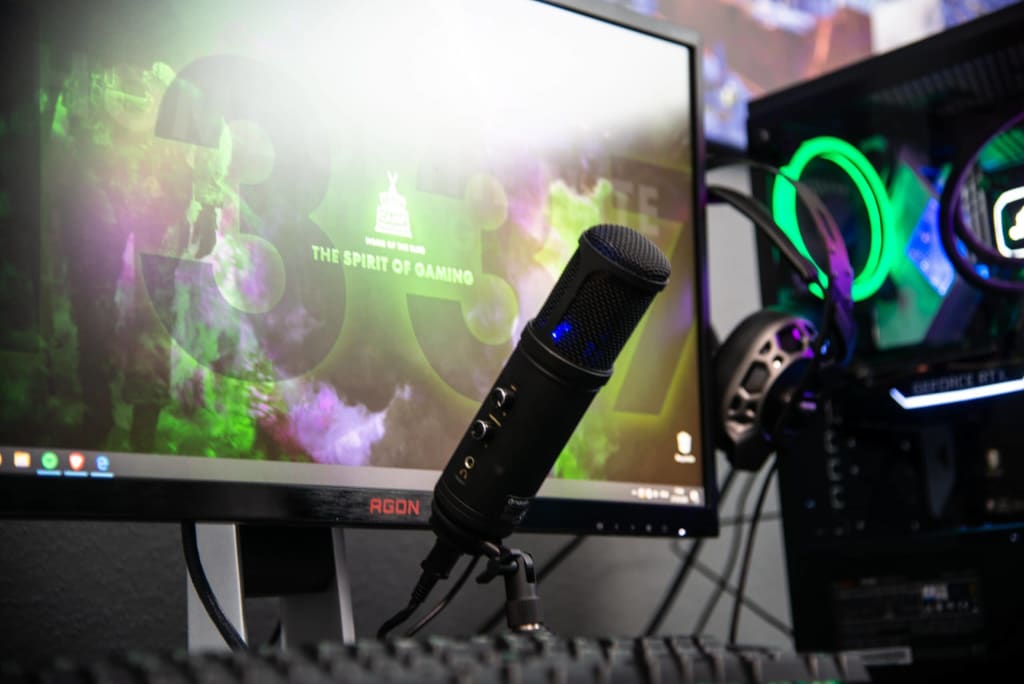
Gaming has never been just about pressing buttons. It has always been about challenge, imagination, and escape. But in the last decade, gaming has gone through its biggest transformation yet. Thanks to streaming platforms and the rise of esports, games are no longer only played—they are performed, watched, monetized, and judged in real time.
This shift has brought massive growth, global recognition, and entirely new careers. At the same time, it has reshaped how games are made and how players experience them. Whether this change is a blessing or a curse depends on where you stand.
From Private Hobby to Public Spectacle
In the past, gaming was mostly personal. You played alone or with friends, made mistakes without an audience, and learned at your own pace. Streaming changed that dynamic completely.
Now, millions of players broadcast their gameplay to live audiences. Every win, loss, and misplay is public. Gaming has become a shared experience where viewers don’t just watch—they comment, judge, and influence how games are played.
This shift created:
A stronger sense of community
Shared moments that go viral
A new form of interactive entertainment
For many gamers, watching streams is just as enjoyable as playing. It’s background noise, comfort content, or even a learning tool. Gaming culture has expanded beyond controllers and keyboards into chat rooms and social media.
Esports Made Gaming “Respectable”
One of the most significant changes esports brought was legitimacy. Competitive gaming forced the world to take gamers seriously.
Esports athletes train for hours a day. They analyze footage, practice strategies, and work with coaches. Major tournaments fill arenas and draw millions of online viewers. Prize pools now rival traditional sports.
This evolution changed public perception:
Parents began supporting gaming careers
Schools and colleges formed esports teams
Sponsors and investors entered the industry
Gaming was no longer “just a game.” It became a profession.
For many players, esports represents the ultimate goal—a chance to turn passion into a career.
Games Are Now Designed With Audiences in Mind
However, success always comes with consequences.
As streaming and esports grew, developers began designing games not just for players—but for viewers. Mechanics that look exciting on screen often take priority over depth or experimentation.
This design shift includes:
Faster gameplay loops
Constant updates to maintain interest
Systems that reward grinding and daily engagement
While this keeps games visible on streaming platforms, it can make them feel repetitive or exhausting for casual players. Games are less about discovery and more about staying relevant.
Creativity sometimes takes a back seat to trends.
The Influence of Streamers on Game Culture
Streamers are no longer just players—they are tastemakers.
A single popular streamer can:
Revive a forgotten game
Kill interest in a new release
Shape community opinions overnight
This influence can be positive, giving exposure to indie games and niche genres. But it also creates a herd mentality, where games succeed or fail based on visibility rather than quality.
Players may feel pressured to like what’s popular instead of what they personally enjoy. Gaming tastes become less individual and more algorithm-driven.
Monetization Took Center Stage
Streaming and esports also accelerated monetization in gaming.
Skins, battle passes, and cosmetic items are heavily featured because they look good on streams and promote status in competitive play. Limited-time events and exclusive rewards keep players logging in—even when they’re no longer having fun.
This environment encourages:
Fear of missing out
Spending for social recognition
Grinding instead of enjoyment
Games slowly shift from entertainment to obligation. Logging in feels less like play and more like maintaining progress.
Burnout Behind the Highlights
From the outside, streaming and esports appear glamorous. Inside, the reality is often harsh.
Streamers face:
Long hours to stay relevant
Pressure to entertain constantly
Harassment and mental fatigue
Professional players face:
Short career spans
Extreme competition
Public criticism after every mistake
The industry rewards consistency, not well-being. Burnout is common, yet rarely discussed.
What viewers see as fun content often comes from intense stress behind the scenes.
What Casual Players Lost Along the Way
While competitive gaming thrived, some casual players feel left behind.
Not everyone wants:
Ranked ladders
Constant patches
Meta-focused gameplay
Some gamers simply want immersive stories, experimentation, or relaxed experiences. Yet many studios prioritize competitive longevity over casual enjoyment because that’s what keeps games visible on streaming platforms.
As a result, slower or story-driven games receive less attention—even when they are creatively superior.
The Balance Gaming Is Still Searching For
Streaming and esports did not ruin gaming—but they redefined it.
They brought:
✔ Global communities
✔ Career opportunities
✔ Recognition and growth
They also introduced:
✖ Over-monetization
✖ Pressure-driven design
✖ Reduced creative risks
Gaming now exists at a crossroads. Developers, players, and viewers all influence what comes next.
Final Thoughts: Better, Worse, or Just Different?
Gaming didn’t lose its soul—it evolved. Whether that evolution feels positive depends on what you value.
If you enjoy competition, visibility, and shared experiences, streaming and esports improved gaming dramatically. If you value creativity, solitude, and play for play’s sake, something may feel missing.
The future of gaming depends on balance—between fun and performance, passion and profit, players and spectators.
So what do you think?
Did streaming and esports make gaming better, worse, or simply different?
The conversation is far from over. 🎮
About the Creator
Keep reading
More stories from Games Mode On and writers in Gamers and other communities.
First Missions, First Light: Is 007’s Latest Worth Playing?
007 First Light marks the return of James Bond to the world of video games — a triumphant resurgence nearly 14 years after the last major Bond title. Developed by IO Interactive, the studio best known for the Hitman series, this action‑adventure game aims to deliver a cinematic, story‑driven experience that places players in the shoes of a young James Bond as he earns his licence to kill. With its May 27, 2026 launch approaching on PlayStation 5, Xbox Series X/S, Nintendo Switch 2, and PC, expectations are high.
By Games Mode On4 days ago in Gamers
Is Art School Worth It for Game Development?
When I decided to go to art school, I made the choice because I saw the value in learning directly from industry professionals. For me, it wasn’t just about honing my creativity; it was about setting myself up for success in a competitive and ever-evolving field—game art and design. The experience was rewarding, but like any major decision, it comes with its own set of pros and cons. Here’s what I’ve learned, and what you might want to consider if you’re weighing the decision for yourself, whether for goals of being a professional artist or for video game development.
By D. E. Kingabout 20 hours ago in Gamers


Comments
There are no comments for this story
Be the first to respond and start the conversation.