
Why Your Salted Duck Eggs Fail to Release Oil: 3 Key Tips for Perfectly Seasoned, Oil-Rich Results
Why Your Salted Duck Eggs Fail to Release Oil
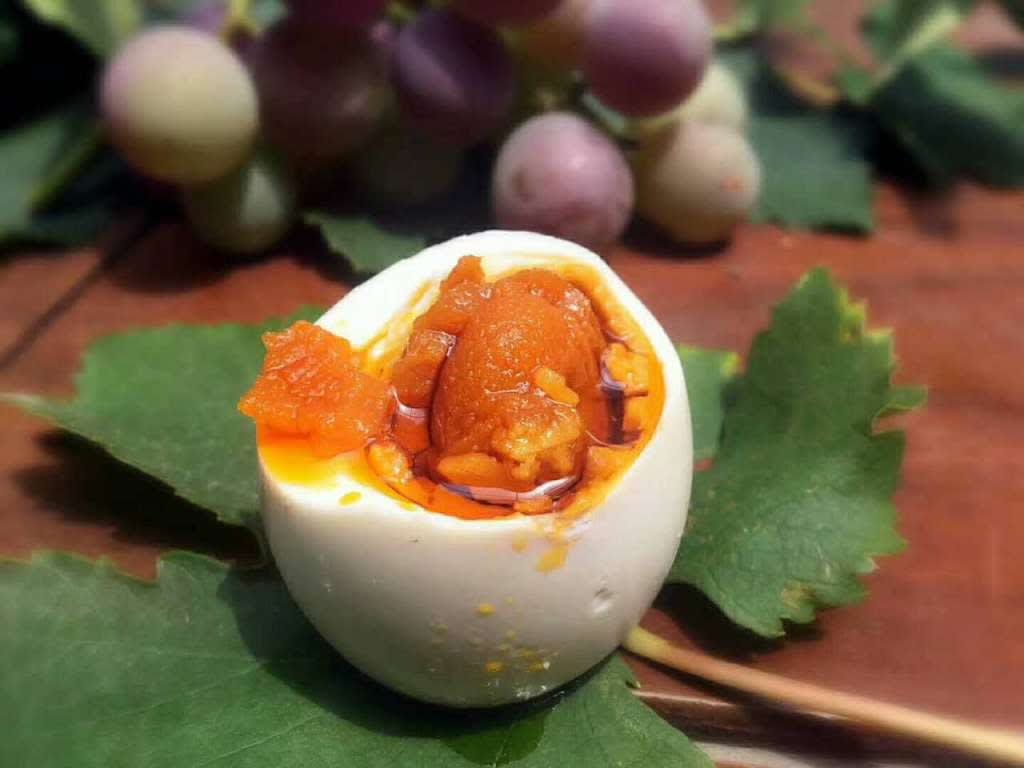
Salted duck eggs are not only delicious but also make a perfect accompaniment to meals, which is why many people try pickling them at home. However, results can vary: sometimes the eggs turn out richly oily, while other times they’re unbearably salty with little to no oil. Why does this happen?
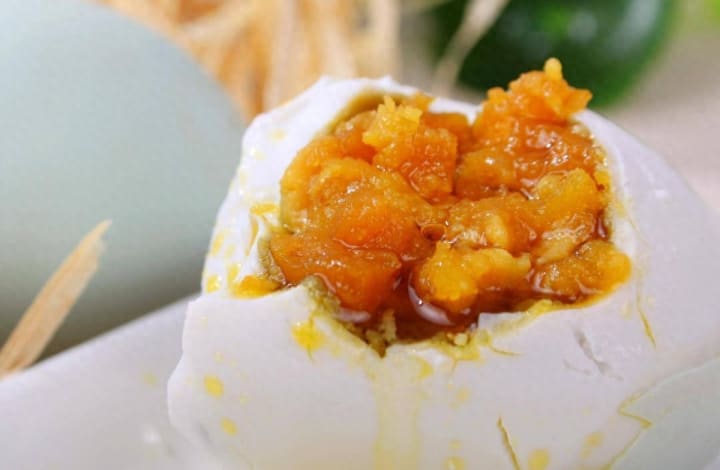
Many assume that insufficient salt is the culprit and end up overcompensating by adding excessive amounts. Yet, despite the saltiness, some eggs still fail to release oil. So, what truly determines whether a salted duck egg becomes oily or not? Let’s explore the science behind it and share three practical tips for achieving well-seasoned, oil-rich eggs without overloading on salt—a crucial consideration for health-conscious cooks.
Why Do Salted Duck Eggs Release Oil?
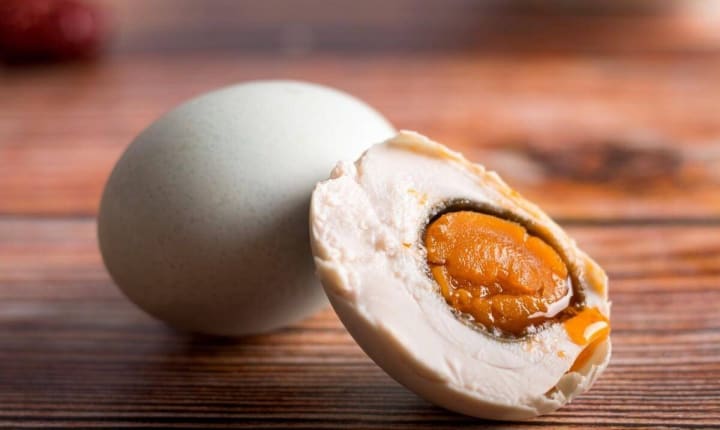
Fresh duck eggs contain no visible oil, but once salted, golden oil often seeps from the yolk. This "oil" isn’t magically created during pickling—it already exists within the egg. The pickling process simply coaxes the oil out. Here’s how it works:
The Science of Protein Salting-Out
The oil in salted duck eggs comes from the fat in the yolk. In fresh eggs, this fat is evenly dispersed within the yolk as tiny droplets, wrapped in a protein-water membrane. During salting, salt causes the proteins to denature and coagulate, breaking this membrane and freeing the fat droplets. These droplets gradually merge, forming the oily liquid we see.
While salt accelerates oil release, the amount of oil depends on the yolk’s inherent fat content, not the salt quantity. Salt concentration only affects the speed of oil release, not the final volume.
Tip 1: Precise Salt Measurement for Faster Oil Release
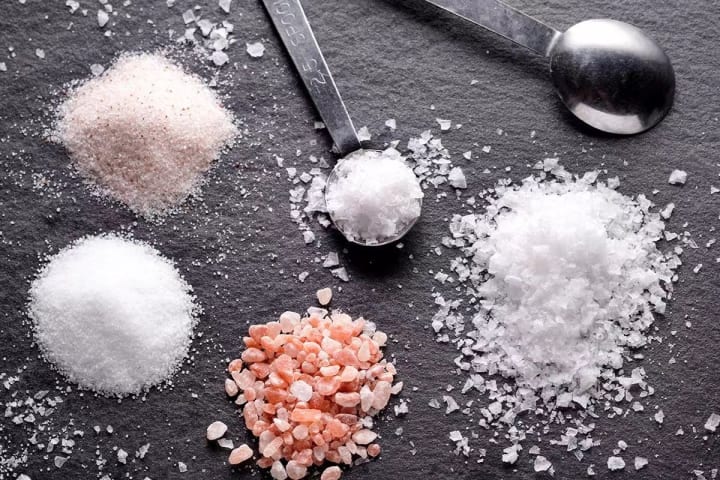
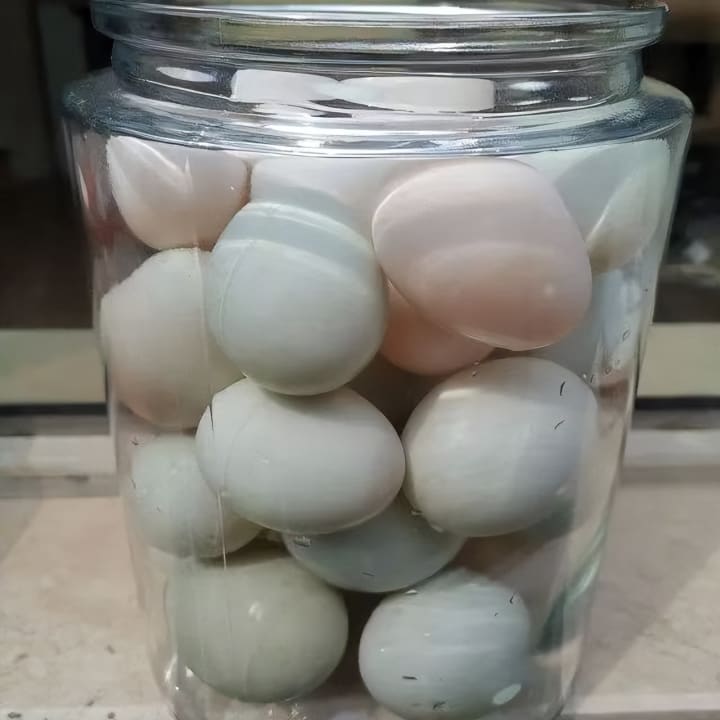
To avoid under- or over-salting, use a 5:1 water-to-salt ratio (e.g., 1 pound salt per 5 pounds water). Boil the brine to dissolve the salt completely.
Steps:
1. Clean duck eggs thoroughly, dry them, then wipe each with a cloth soaked in high-proof liquor. Sun-dry for 1 hour to sterilize and ensure even seasoning.
2. Cool the brine, pour it into a sterilized jar, add the eggs, and seal. Store in a cool, ventilated area for ~25 days.
Tip 2: White Vinegar for Faster Flavor Penetration
After cleaning the eggs, soak them briefly in warm water mixed with white vinegar. The vinegar softens the eggshells, allowing salt to penetrate faster. This reduces curing time and prevents excessive saltiness.
Bonus: Add spices like Sichuan peppercorns, star anise, cinnamon, bay leaves, or fennel to the brine for aromatic "five-spice" salted eggs.
Tip 3: Harness Plant Ash for Balanced Flavor
Plant ash (primarily composed of potassium carbonate) is alkaline and highly antimicrobial, making it ideal for long-term preservation.
Steps:
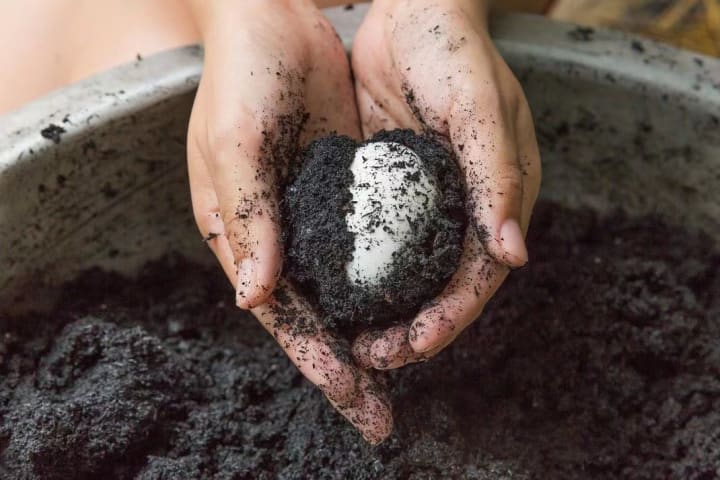
1. Mix plant ash, water, and salt in a 5:4:1 ratio. Boil water and salt, cool, then combine with ash to form a paste.
2. Dip cleaned, dried eggs in high-proof liquor, then coat evenly with the ash paste (2mm thick). Roll in dry ash for an additional 2mm layer.
3. Seal in a jar. Cure for:
• 20–30 days (summer)
• 40–50 days (spring/autumn)
• ~60 days (winter)
Ash-cured eggs boast a tender texture and rich aroma. A similar method uses red clay instead of ash.
Common Questions
1. Why use alcohol?
High-proof liquor sterilizes the eggs, preventing bacterial growth and spoilage.
2. Why do some eggs in the same batch release oil while others don’t?
Variations in shell thickness affect salt penetration, and yolk fat content varies between eggs. These factors determine oil output.
By mastering these techniques, you’ll achieve consistently savory, oil-rich salted duck eggs—no guesswork required! 🦆✨
About the Creator
My Tous les Jours Trip
As someone who lives in a rural area, I don't get the chance to visit fancy restaurants or bakeries that often. So, when a friend told me about a French-Asian bakery that's less than an hour away, I knew I had to check it out and grab some pictures for social media. Tous les Jours ended up providing an immersive experience that went above and beyond my expectations--although I did leave with a few reservations.
By Kaitlin Shanks24 days ago in Feast




Comments
There are no comments for this story
Be the first to respond and start the conversation.