
Why Does Spring Tea-Fried Fish Smell So Divine? The 99% Overlooked Step Revealed — A Century-Old Secret Finally Shared
Why Does Spring Tea-Fried Fish Smell So Divine?
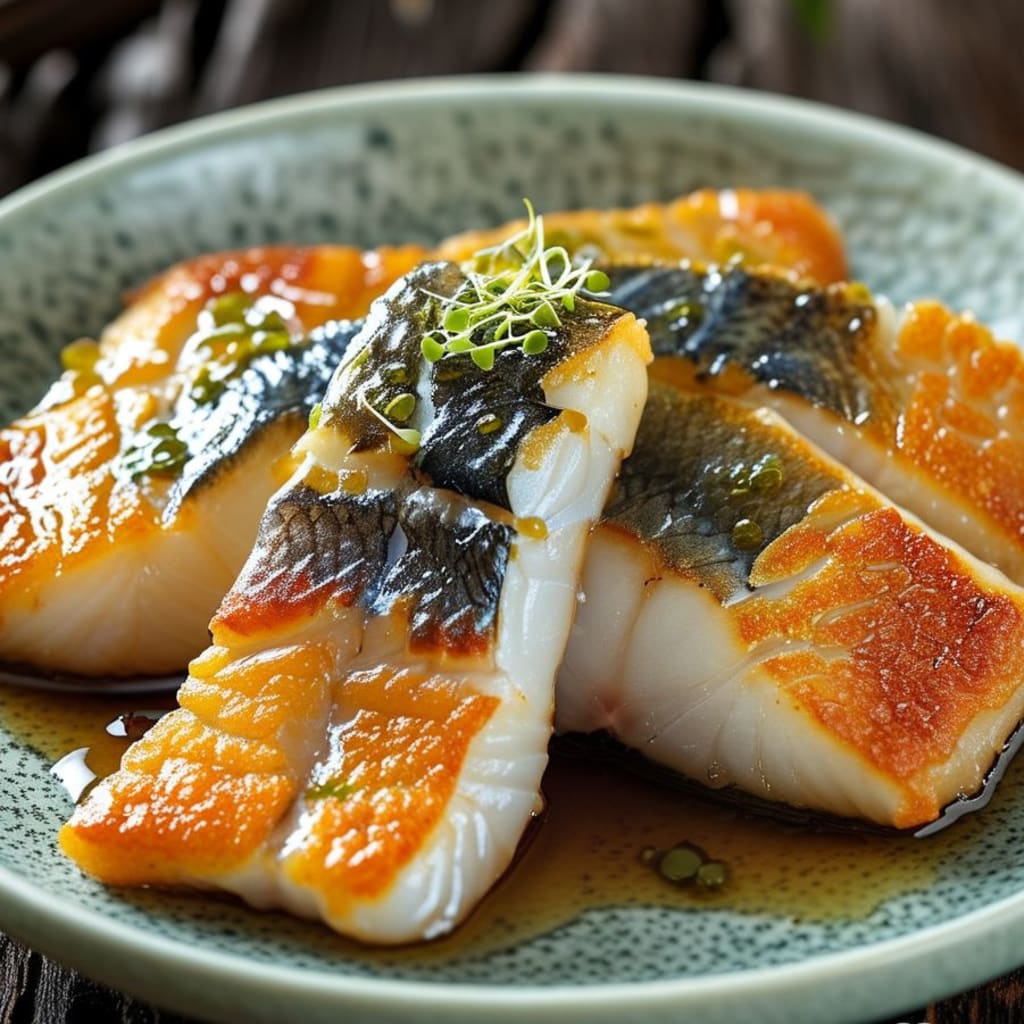
The aroma wafting from my grandmother's kitchen each spring was so potent, it could lure neighborhood cats onto our windowsill. Decades later, as I stand in my professional kitchen, I finally understand the alchemy behind that magical scent: the marriage of first-flush tea and spring-caught fish, perfected through a forgotten technique guarded by culinary masters for generations.
When Camellia Meets Carp: A Love Story Brewing for Millennia
The synergy between spring tea and freshwater fish dates back to Tang Dynasty imperial kitchens. Recent archaeological findings from a 9th-century tomb revealed pottery shards with residue analysis showing tea polyphenols combined with fish proteins—proof of this ancient culinary pairing.
Spring Tea's Unique Profile
• Amino Acids: 34% higher than summer harvest (especially theanine)
• Polyphenols: Delicate balance of EGCG and ECG compounds
• Aromatics: Hexenol and linalool oxides unique to new growth
Spring Fish Physiology
Post-hibernation fish develop:
• Firmer muscle texture from cold-water swimming
• Sweet umami from glycogen stores
• Clean mineral notes from fasting through winter
The Fishmonger's Secret Handshake
Not all fish qualify for this tea ritual. Ideal candidates:
1. Crucian Carp (Carassius carassius)
• Wild-caught from flowing rivers
• 15-20cm length for optimal meat-to-bone ratio
2. Grass Carp (Ctenopharyngodon idella)
• Select specimens fed on aquatic plants
• Look for golden-hued belly indicating natural diet
Selection Masterclass
• Gill Inspection: Bright red with sea-breeze freshness (not fishy)
• Eye Clarity: Cloudiness indicates days-old catch
• Skin Tension: Should bounce back like a trampoline
My fishmonger mentor Old Wang—a third-generation vendor—taught me these secrets while filleting fish at lightning speed. "You Western chefs with your thermometers," he chuckled, "real knowledge lives in fingertips."
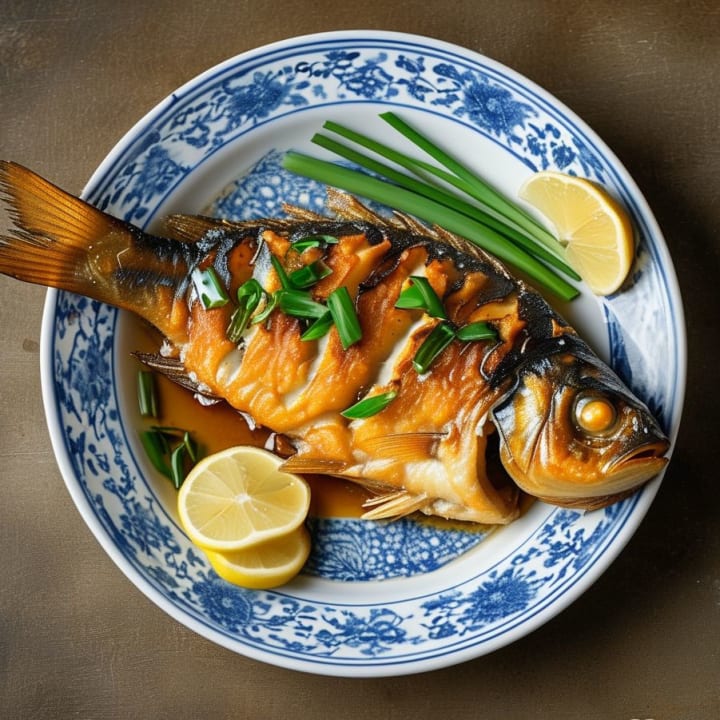
The 99% Oversight: Tea Cake Alchemy
Step-by-Step Revelation
1. Tea Reawakening
• Use 5g premium Longjing (Dragon Well) tea
• Steep in 60°C water for 90 seconds (activates catechins without bitterness)
2. Sacred Paste
• Mix drained leaves with:
• 20g glutinous rice flour (creates crackling crust)
• 3g sea salt (magnesium-rich for flavor enhancement)
• 1g white pepper (piperine boosts tea absorption)
3. Fish Acupuncture
• Make 45-degree diagonal cuts 2cm apart
• Depth: 0.3cm (just through scales into subcutaneous fat)
4. Tea Quilt Application
• Massage paste into cuts and over skin
• Rest 15 minutes at 12°C (tea tannins penetrate muscle fibers)
Scientific Breakdown:
The paste forms a Maillard reaction accelerator—tea polyphenols bind with fish proteins, creating new flavor compounds during frying. Glutinous rice flour's amylopectin creates a glass-like shield locking in juices.
Frying Zen: Where Physics Meets Patience
Oil Dynamics
• Use 1:1 peanut oil and tea seed oil blend
• Temperature curve:
• 160°C initial fry (3 minutes per side)
• Rest 2 minutes (carryover cooking)
• 180°C flash fry (30 seconds for crispness)
The Flip Doctrine
• Use two spatulas: one supporting, one flipping
• Wait for "release signal"—edges pulling away from pan
• Never more than one flip (preserves tea crust integrity)
Visual Cues
• Perfect crust: Amber translucence resembling tortoiseshell
• Sound test: Hollow tapping indicates moisture retention
Beyond Basic: Tea Fish Reimagined
Global Variations
• Japanese Matcha Crust: Add 2g yuzu zest to paste
• French Fusion: Replace rice flour with buckwheat, serve with beurre blanc
• Sichuan Fire: Incorporate ground sansho pepper in marinade
Modernist Twists
• Tea-smoked fish bones as powder garnish
• Spherified tea consommé as dipping sauce
• Freeze-dried scales as textural contrast
Leftover Magic
• Tea leaf sediment → mix with chickpea flour for tempura batter
• Fry oil → strain for vinaigrette base
The Taste of Time Travel
Each time I plate this dish, I'm transported to grandmother's coal-fired stove. The crackle of fish skin harmonizes with memory's echo—her whispered warning, "Don't peek the lid!" now understood as crucial steam control.
Modern diners describe the experience as:
1. Crunch: Like autumn leaves underfoot
2. Umami Wave: Oceanic depth meets mountain freshness
3. Finish: Lingering sweetness akin to burnt caramel
A regular at my restaurant—a WWII survivor—once teared up tasting it. "This... this is liberation-day cooking," he murmured, fork trembling. In that moment, I grasped food's power to transcend eras.
Epilogue: Passing the Wok
This spring, teach a child this recipe. Let them feel the tea paste's gritty texture, hear the oil's sizzling song. For in these sensory lessons lie cultural continuity—a delicious rebellion against culinary amnesia.
As you savor your creation, ponder: What other forgotten techniques await rediscovery? Share your tea fish epiphanies below, and may your kitchen forever smell of springs past and present.
About the Creator
My Tous les Jours Trip
As someone who lives in a rural area, I don't get the chance to visit fancy restaurants or bakeries that often. So, when a friend told me about a French-Asian bakery that's less than an hour away, I knew I had to check it out and grab some pictures for social media. Tous les Jours ended up providing an immersive experience that went above and beyond my expectations--although I did leave with a few reservations.
By Kaitlin Shanks23 days ago in Feast
Global Lobster Market Size & Forecast 2025–2033
Introduction: From Coastal Delicacy to Global Commodity Once considered a regional delicacy enjoyed primarily along rugged coastlines, lobster has evolved into a symbol of premium dining across the globe. From high-end restaurants in Europe and North America to luxury hotel menus in Asia and the Middle East, lobster has secured its place as one of the most sought-after seafood products worldwide. What was once a niche culinary offering has become a dynamic global market shaped by changing consumer preferences, expanding international trade, and increasing attention to sustainability.
By Renub Research4 days ago in Feast



Comments
There are no comments for this story
Be the first to respond and start the conversation.