
Why Caviar Is the Most Expensive Food in the World: Inside the Golden Luxury
Explore the rarest delicacy on Earth—how caviar became a global symbol of luxury, exclusivity, and culinary prestige.


What Is Caviar?
Caviar is the salted roe (eggs) of sturgeon fish, and it is regarded as one of the most luxurious and expensive foods in the world. The most prized caviar comes from three varieties of sturgeon: Beluga, Osetra, and Sevruga. The eggs are known for their buttery, delicate texture and subtle briny flavor, which range from black to golden. Sturgeon typically take between 10 to 20 years to mature, making the production of caviar a long and rare process, which increases its exclusivity and price. The rarity and the meticulous harvesting process add to its allure and make it a symbol of high status.
Why Is Caviar So Expensive?
Several factors contribute to the high cost of caviar:
Rarity: Sturgeon are endangered, and many species have become rare due to overfishing and environmental damage. As these fish become harder to find, their eggs grow even more valuable.
Long Maturity: Sturgeon take a long time to reach maturity and produce eggs, making the production of caviar limited and time-consuming. It can take up to 20 years for a female sturgeon to be ready to lay eggs, further contributing to the scarcity and expense.
Delicate Harvesting and Processing: Extracting caviar requires precision and care, and in some cases, fish are not killed to preserve future egg production. The careful handling and expertise required to process these eggs without damaging them adds to the overall cost of production.
Symbol of Luxury: Caviar has long been associated with royalty and the elite. This tradition of luxury and exclusivity still persists today, driving the demand and price even higher. For many, caviar represents the ultimate indulgence, reserved for the world's wealthiest individuals.
The Most Expensive Caviar in the World
1. Bianco Strottarga Price: Around $113,600 per kilogram
Origin: Produced in Salzburg, Austria, by master fish breeder Walter Grüll and his son.
Special Feature: Made from the dried eggs of rare albino Siberian sturgeon, it is mixed with 22-carat gold dust, earning it the nickname "White Gold." Because it is so uncommon, billionaires and royalty frequently purchase it. Its unique combination of precious gold and the rarity of the fish contribute to its astronomical price.
2. Almas Caviar
Price: Around $34,500 per kilogram
Origin: Sourced from albino Beluga sturgeon in the Caspian Sea off the coast of Iran.
Special Feature: These fish are typically 60 to 100 years old, and the caviar has a golden color with a creamy, nutty flavor. It is packaged in 24-carat gold tins, further emphasizing its luxurious nature. Almas caviar is considered the gold standard in the caviar world, and only a select few are able to afford this delicacy.
Modern Uses of Caviar in Contemporary Cuisine
While caviar is traditionally served chilled with blinis or crème fraîche, chefs today are incorporating it into unique and creative dishes:
Belgian Waffles with Caviar: A modern twist, pairing the sweet, crispy texture of waffles with the briny luxury of caviar.
Lemon Cream Donuts with Caviar: A fusion of savory and sweet, adding caviar as a topping to a delicious, tangy lemon donut.
Caviar with Popcorn and Ice Cream: Unexpected but delightful pairings that bring a luxurious twist to everyday snacks, showing that caviar can elevate any dish, no matter how simple.
These modern culinary innovations show how chefs are pushing the boundaries and transforming caviar into a versatile ingredient in gourmet cuisine.
Health Benefits of Caviar
Caviar isn’t just about luxury—it also offers several health benefits:
Omega-3 Fatty Acids: These essential fats are great for heart health and brain function. Omega-3s help reduce inflammation and support overall cardiovascular health.
Vitamin B12: Vital for energy production and nerve function, vitamin B12 helps maintain healthy red blood cells and proper brain function.
High-Quality Protein: Caviar provides a rich source of protein, which supports muscle growth, tissue repair, and overall bodily functions.
Minerals like iron and selenium support the immune system, combat free radicals, and enhance overall health. Selenium, in particular, is an important antioxidant that plays a role in preventing cell damage.
Even a small serving of caviar can provide a significant boost in nutrition, making it a delicacy that is both indulgent and beneficial.
Conclusion
Caviar is not just a food—it’s a symbol of luxury, tradition, and exclusivity. From its rich history with royalty to its modern-day status as a culinary delight, it continues to hold its place as the world’s most expensive and most coveted food. Whether you’re enjoying it in a Michelin-starred restaurant or at a private gathering, caviar provides a unique experience that few other foods can match.
---
About the Creator
AlaTrend
Welcome to AlaTrend
Assalamu alaikom
where every trend meets truth. I bring you the latest buzz, breaking stories, and sharp insights on what's shaping our world.
Stay ahead, stay informed!!!
My Tous les Jours Trip
As someone who lives in a rural area, I don't get the chance to visit fancy restaurants or bakeries that often. So, when a friend told me about a French-Asian bakery that's less than an hour away, I knew I had to check it out and grab some pictures for social media. Tous les Jours ended up providing an immersive experience that went above and beyond my expectations--although I did leave with a few reservations.
By Kaitlin Shanks23 days ago in Feast
Truffle Market Size and Forecast 2025
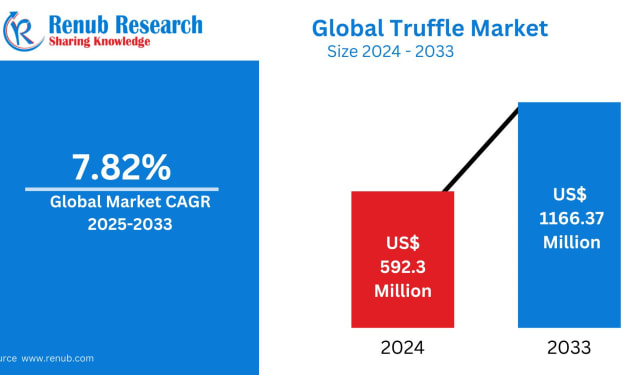
Introduction Once hidden beneath forest floors and harvested only by skilled foragers with trained animals, truffles have evolved from an elite culinary secret into a globally recognized luxury ingredient. Known for their earthy aroma, complex flavor, and remarkable scarcity, truffles now command attention not only from chefs and food connoisseurs, but also from investors, agricultural innovators, and global food brands.
By jaiklin Fanandish3 days ago in Feast
Wild Card Weekend Recap: What Happens Now?
I think I figured out why I love Wild Card Weekend so much. It's because it's the first playoff anything of the calendar year. The NFL season starts in the fall, and once upon a time, the champion was crowned either on or slightly before New Year's. The evolution of the NFL schedule has resulted in the playoffs starting just into the New Year, and currently, the final week of the season falls on the first weekend of the New Year, with Wild Card Weekend coming a week after that. So yes, chronologically, the NFL's Wild Card Weekend serves as the first playoff anything of the calendar year.
By Clyde E. Dawkins6 days ago in Unbalanced


Comments
There are no comments for this story
Be the first to respond and start the conversation.