
When the Sun Kissed the Cornfields: A Tale of Rural America
Sometimes the land remembers what the heart tries to forget

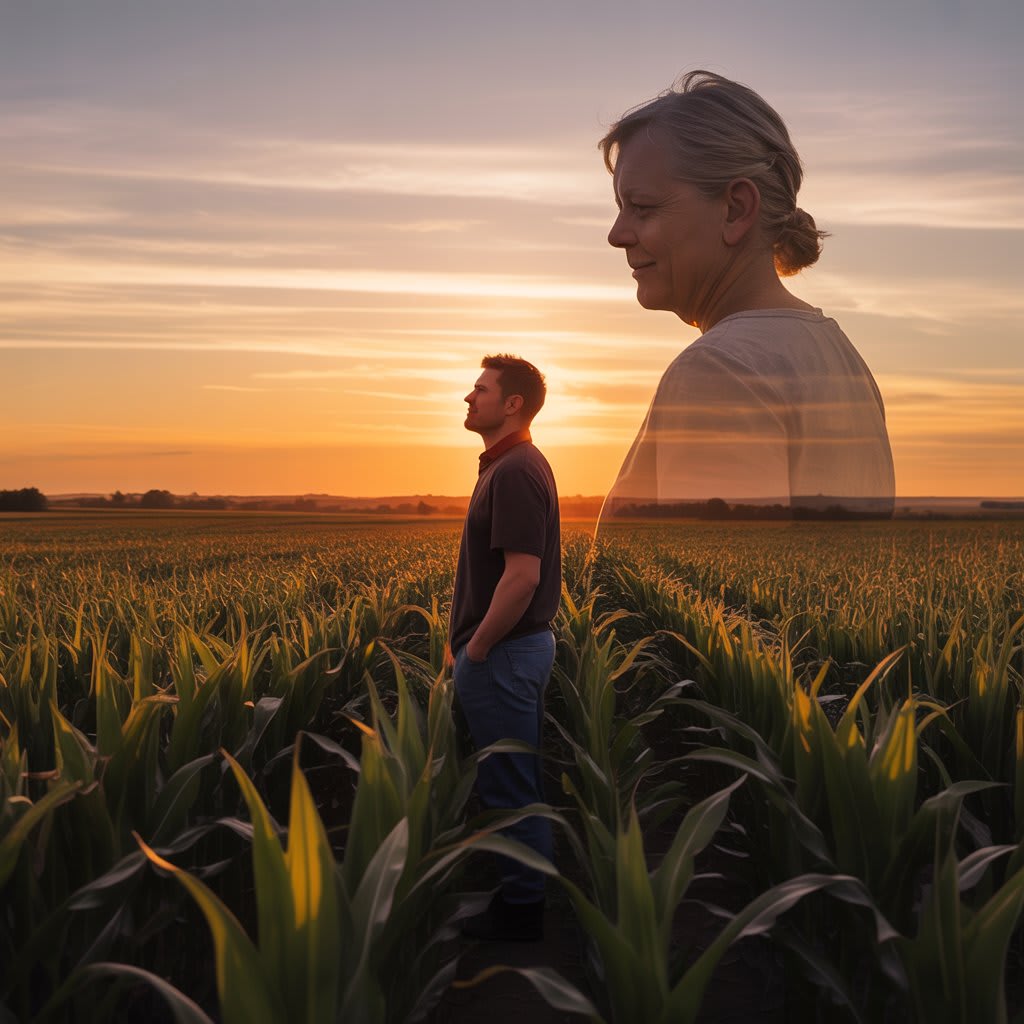
You never really leave the land you were born on.
You might board a bus, pack your bags, or build a new life in a city skyline—but the dirt stays under your nails, the sunrise lives in your bones, and the whispers of cornfields never fully leave your ears.
That’s what I learned when I returned to Nebraska after twenty years away.
It arrived on a Tuesday morning, buried beneath credit card ads and grocery coupons.
A letter in familiar handwriting—faded, looping, and impossibly real.
From Mama.
My mother had been dead for three months.
The postmark was old. She must’ve mailed it before the heart attack took her while she was weeding the front porch pots, the same way she did every morning.
Inside was a single note:
“Come home. Harvest’s not the same without you. And there’s something I need you to see.”
Below her signature, she’d drawn a tiny sun rising over corn—her signature doodle.
I stared at it for a long time, heart pounding against two decades of distance.
I hadn’t been back to Marlowe County since I left at 18, angry and determined never to return.
And yet…
Two days later, I was driving a rental car down a cracked, two-lane road bordered by rusted fences and wind-dried silos.
The farm hadn’t changed.
The barn still leaned to the left like it was listening. The porch still creaked under the weight of memory. And the cornfields—acres and acres of them—still stretched toward the horizon like an ocean of gold.
But it felt emptier.
Hollow.
Mama’s absence lived in the air.
The house was locked, but the key was still hidden under the same chipped flowerpot. I stepped inside, half-expecting to hear her humming from the kitchen.
Instead, I was greeted by silence and dust.
But on the table sat a shoebox with my name on it.
Inside: photographs, faded letters, and a small black notebook labeled “To Jacob—When You’re Ready.”
My throat tightened.
No one had called me Jacob in years. Everyone in New York knew me as Jake. Efficient. Clean. Forward-facing.
But here, I was still the boy who once ran barefoot between cornrows and believed the sun really did kiss the land each evening.
Mama’s notebook wasn’t filled with recipes or prayers.
It was a record.
Of the farm. Of the seasons. Of me.
Page after page, she’d written things I’d forgotten:
“Jake got his first tractor ride today. Waved at the cows like a king.”
“Jake cried when we slaughtered the chicken. Hid in the barn for hours. Sensitive heart.”
“Jake said he’s leaving for the city. Doesn’t want dirt under his nails anymore. I pretended I was proud. Cried when he left.”
I read until the ink blurred from tears I didn’t remember choosing to shed.
I closed the notebook, walked outside, and looked at the cornfields under the setting sun.
It was the hour Mama loved most—the hour she called “God’s kiss goodnight.”
And for the first time in years, I didn’t feel like a stranger here.
The next morning, I visited the town.
Marlowe County hadn’t grown—it had shrunk. Empty storefronts. Fewer people. But the feed store still stood. So did the diner with its crooked sign and world-class pecan pie.
Inside, I found Eli, my childhood best friend, behind the counter.
He squinted. Then his face lit up like we were twelve again. “I’ll be damned. Jacob Hayes.”
He hugged me like time hadn’t passed, like I hadn’t left without a word all those years ago.
We talked for hours. About the town. The droughts. The changes.
“How long you staying?” he asked finally.
“I don’t know,” I admitted.
“Well,” he said, wiping his hands, “the land always remembers. Even when we try to forget it.”
That night, I sat on the porch with Mama’s notebook and noticed a loose page tucked at the back.
It was a map. Of the property. A section circled in red, deep in the west field.
Beside it, in her handwriting: “You need to see this with your own eyes.”
I grabbed a flashlight and headed out.
The corn rustled like voices around me. The rows felt tighter than I remembered, like they were trying to keep me in.
After twenty minutes, I reached the spot.
There, nestled in a clearing, was an oak tree I’d forgotten about.
We called it “The Listening Tree” as kids. Mama used to say it held the stories of everyone who’d ever loved the land.
At the base, a small wooden box rested, buried halfway in the soil.
Inside: my father’s wedding ring, a photo of him holding me as a baby, and a note in Mama’s voice:
“He never stopped loving this land—or you. We saved this for when you were ready. If you are, it's yours now.”
I sat under the tree until the flashlight dimmed and the stars came out in quiet rows above me.
I thought about my apartment in the city. My job. My loneliness.
I thought about how long it had been since I touched something real.
And I realized: I had spent so much time running from where I came from that I’d forgotten what it meant to belong.
The next morning, I called Eli.
“Think you could teach me how to fix up a combine?”
He didn’t answer. Just laughed, long and hard.
And in that laugh, I heard something old and familiar.
Home.
It’s been six months now.
I stayed.
Not because I had to. But because I wanted to.
I fixed the house. Replanted the struggling rows. Brought life back to the porch swing. I even learned to drive the tractor again, though Eli still teases me for stalling in third gear.
Sometimes, I still miss the noise of the city.
But then I’ll step outside at dusk.
The cornfields glow in soft amber. The wind hums through the stalks. The sky turns to fire and then lavender.
And in that hour—when the sun kisses the cornfields—I feel Mama beside me.
And I know I made the right choice.
Because this isn’t just where I’m from.
This is where I’m meant to be.
About the Creator
Muhammad Sabeel
I write not for silence, but for the echo—where mystery lingers, hearts awaken, and every story dares to leave a mark
Keep reading
More stories from Muhammad Sabeel and writers in Feast and other communities.
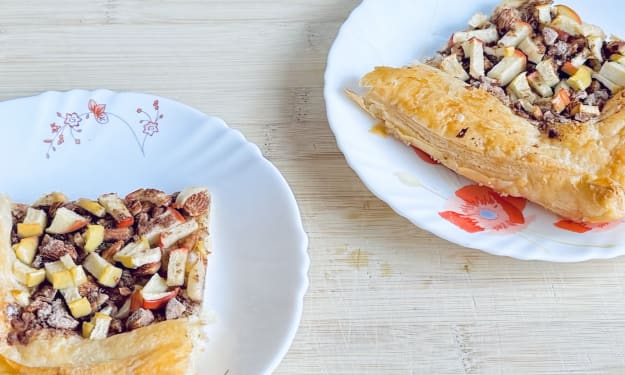
Apple and Almond Tart
So I spent the first half of Sunday making pancakes (of course, for my mother) and then I baked an apple and almond tart. Did I have to use a recipe from someone else? Nope. This is something quick and simple that you can do with a little bit of patience and a lot of ease. If you're looking for a quick dessert that's filling and tasty then I'd go with this, serving suggestions include:
By Annie Kapurabout 21 hours ago in Feast
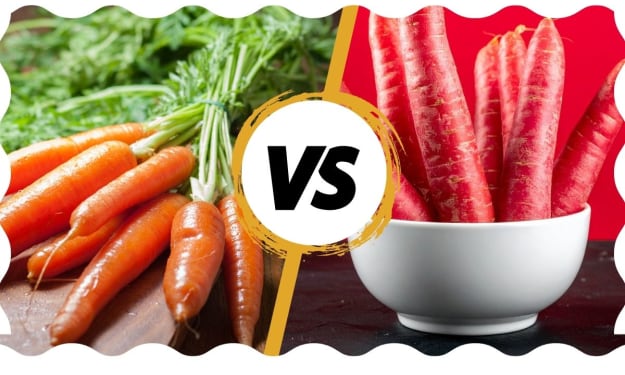
Orange vs Red Carrots
Carrots are among the most popular root vegetables around the world. They are widely appreciated for their natural sweetness, crunchy texture, and impressive nutritional value. While most people are familiar with orange carrots, many regions—especially in South Asia—also consume red carrots, particularly during winter. This often raises a common question: which carrot is better for health—orange or red?
By Stories Today7 days ago in Feast


Comments
There are no comments for this story
Be the first to respond and start the conversation.