
United States Processed Pumpkin Market Size & Forecast 2025–2033
From Seasonal Favorite to Year-Round Superfood Ingredient


United States Processed Pumpkin Market Outlook
The United States Processed Pumpkin Market is undergoing a remarkable transformation, evolving from a largely seasonal niche into a fast-growing, year-round food ingredient market. According to Renub Research, the market is anticipated to grow from US$ 1.43 billion in 2024 to US$ 3.34 billion by 2033, registering a robust CAGR of 9.87% during 2025–2033.
This expansion is being driven by a powerful combination of factors: increasing consumer demand for convenient and nutritious food options, strong seasonal consumption during fall and major holidays, and the widening use of pumpkin across bakery, beverages, baby food, snacks, and functional food products. Once associated almost exclusively with pumpkin pie, processed pumpkin has now secured a permanent place in modern American diets.
What Is Processed Pumpkin?
Processed pumpkin refers to pumpkin that has been cleaned, cooked, dried, pureed, concentrated, or packaged to ensure long shelf life and easy usability. Common forms include:
Canned pumpkin puree
Frozen pumpkin
Pumpkin powder and dried pumpkin
Pumpkin concentrates and pie fillings
Despite processing, pumpkin retains most of its nutritional value, remaining rich in dietary fiber, beta-carotene, potassium, and vitamin A. This nutritional density positions processed pumpkin as both a comfort-food ingredient and a functional food component.
Cultural Importance and Expanding Applications
Pumpkin occupies a unique cultural space in the U.S., strongly linked with Thanksgiving, Halloween, and autumn traditions. Products such as pumpkin pie, pumpkin bread, and pumpkin spice beverages dominate shelves every fall. However, the market is no longer confined to seasonal indulgence.
Food manufacturers now integrate processed pumpkin into:
Muffins, breads, and pastries
Soups, sauces, and ready meals
Smoothies and functional beverages
Baby food and pet nutrition
Health snacks, protein bars, and meal replacements
As a result, demand for canned and pureed pumpkin is increasingly year-round, supported by clean-label, organic, and plant-based product innovation.
Key Growth Drivers of the U.S. Processed Pumpkin Market
1. Seasonal and Cultural Demand Surge
Pumpkin’s symbolic association with fall drives massive short-term spikes in demand. Retailers and foodservice providers significantly expand offerings during September–November, supported by marketing campaigns around “pumpkin spice season.” Seasonal launches by beverage brands, bakeries, and cafés create strong consumer excitement and repeat purchases.
2. Rising Health and Wellness Awareness
Consumers are increasingly prioritizing foods that deliver nutritional benefits without artificial additives. Processed pumpkin fits perfectly into this trend, offering:
Low calories
High fiber content
Natural antioxidants
Compatibility with vegan and plant-based diets
Its growing presence in baby food, smoothies, and functional snacks reflects its alignment with health-focused consumption patterns.
3. Convenience and Product Versatility
From a manufacturing and household perspective, processed pumpkin offers clear advantages over fresh pumpkin. It reduces preparation time, minimizes food waste, and ensures consistent flavor and texture. These benefits have encouraged widespread adoption across packaged foods, foodservice operations, and private-label retail products.
Challenges Facing the United States Processed Pumpkin Market
Supply Chain Dependence on Seasonal Harvests
Pumpkin cultivation is heavily dependent on autumn harvests, making the supply chain vulnerable to weather fluctuations, labor shortages, and crop diseases. Any disruption can lead to raw material shortages and price volatility, complicating year-round inventory planning.
Limited Off-Season Consumer Demand
Despite progress, pumpkin remains mentally categorized as a seasonal food for many consumers. Sales typically decline sharply after the holiday season, creating challenges in maintaining shelf space, marketing visibility, and consistent demand throughout the year.
Segment Analysis
United States Dried Processed Pumpkin Market
Dried pumpkin is gaining traction due to its extended shelf life, lightweight nature, and nutrient retention. It is increasingly used in pet food, dietary supplements, snack bars, and powdered health mixes. Health-conscious consumers appreciate its fiber content and portability, making this a promising niche segment.
United States Processed Pumpkin Concentrates Market
Pumpkin concentrates are widely used in beverages, baby food, sauces, and smoothies. Their intense flavor and natural sweetness allow manufacturers to use smaller quantities while maintaining taste and color. Demand is rising among clean-label and functional food brands seeking natural ingredients.
United States Processed Pumpkin Bakery Market
Bakery remains one of the strongest application segments. Processed pumpkin ensures uniform quality and flavor consistency, enabling bakeries to produce muffins, pies, breads, and pastries efficiently. Seasonal promotions and limited-edition fall offerings significantly boost bakery sales every year.
United States Processed Pumpkin Snacks Market
Pumpkin-based snacks—such as roasted pumpkin seeds, chips, granola, and bars—are gaining popularity amid demand for plant-based, gluten-free, and seasonal snack options. Limited-time pumpkin spice snack launches further drive consumer interest and trial purchases.
State-Wise Market Insights
California Processed Pumpkin Market
California leads the U.S. market due to its large population, health-oriented consumers, and strong food innovation ecosystem. Organic pumpkin products, value-added snacks, and multicultural culinary uses support consistent demand beyond the fall season.
New York Processed Pumpkin Market
New York’s dense urban population and premium retail landscape fuel strong demand for artisanal and organic pumpkin products. Bakeries, cafés, and specialty stores—especially in New York City—capitalize on seasonal trends with premium pumpkin-based offerings.
New Jersey Processed Pumpkin Market
New Jersey benefits from suburban household demand and proximity to major urban centers. Home baking traditions, local bakeries, and foodservice operators drive seasonal consumption, supported by strong retail promotions during autumn holidays.
Market Segmentation Overview
By Product
Dried
Puree
Concentrates
By Application
Bakery
Beverages
Desserts
Baby Foods
Snacks
Others
Top 10 States
California
Texas
New York
Florida
Illinois
Pennsylvania
Ohio
Georgia
Washington
New Jersey
Rest of United States
Competitive Landscape and Company Analysis
The U.S. processed pumpkin market is moderately consolidated, with established food processors and ingredient suppliers playing a dominant role. All companies have been evaluated across five viewpoints: overview, key personnel, recent developments, SWOT analysis, and revenue performance.
Key Players Include:
Libby’s Brand Holding
Del Monte Foods
Great American Spice Company
Kerr by Ingredion
Seneca Foods
Kraft Heinz, Inc.
Woodland Gourmet
Döhler Group
Seawind Foods
Pinnacle Foods Co
These companies compete through product innovation, clean-label formulations, organic sourcing, and strategic seasonal marketing.
Future Outlook: 2025–2033
The outlook for the U.S. processed pumpkin market remains highly optimistic. Manufacturers that successfully extend pumpkin’s relevance beyond the fall season, invest in health-oriented innovations, and secure resilient supply chains are likely to outperform peers. Expansion into functional foods, baby nutrition, and plant-based snacking will be key growth levers over the forecast period.
Final Thoughts
The United States Processed Pumpkin Market has moved far beyond its traditional seasonal roots. With strong cultural relevance, proven nutritional benefits, and expanding applications across food categories, processed pumpkin is positioned as a high-growth ingredient market through 2033. Supported by innovation, convenience, and clean-label demand, pumpkin is no longer just a fall favorite—it is becoming a year-round staple in the American food industry.
About the Creator
jaiklin Fanandish
Jaiklin Fanandish, a passionate storyteller with 10 years of experience, crafts engaging narratives that blend creativity, emotion, and imagination to inspire and connect with readers worldwide.
Keep reading
More stories from jaiklin Fanandish and writers in Feast and other communities.
Australia Pork Meat Market Size & Forecast 2025–2033
Australia Pork Meat Market Outlook The Australia Pork Meat Market is projected to reach US$ 6.43 billion by 2033, rising from US$ 4.88 billion in 2024, expanding at a CAGR of 3.11% from 2025 to 2033. This steady growth reflects the increasing preference for protein-rich diets, ongoing innovations in meat processing and packaging, and the rising acceptance of pork across foodservice and retail channels in both urban and regional Australia.
By jaiklin Fanandish22 days ago in Feast
My Tous les Jours Trip
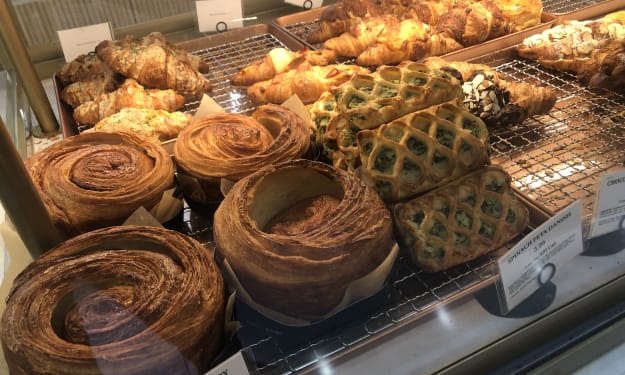
As someone who lives in a rural area, I don't get the chance to visit fancy restaurants or bakeries that often. So, when a friend told me about a French-Asian bakery that's less than an hour away, I knew I had to check it out and grab some pictures for social media. Tous les Jours ended up providing an immersive experience that went above and beyond my expectations--although I did leave with a few reservations.
By Kaitlin Shanks22 days ago in Feast



Comments
There are no comments for this story
Be the first to respond and start the conversation.