
United States Frozen Food Market Trends & Growth Outlook 2025–2033
How Convenience, Health Innovation, and E-Commerce Are Reshaping America’s Frozen Food Industry

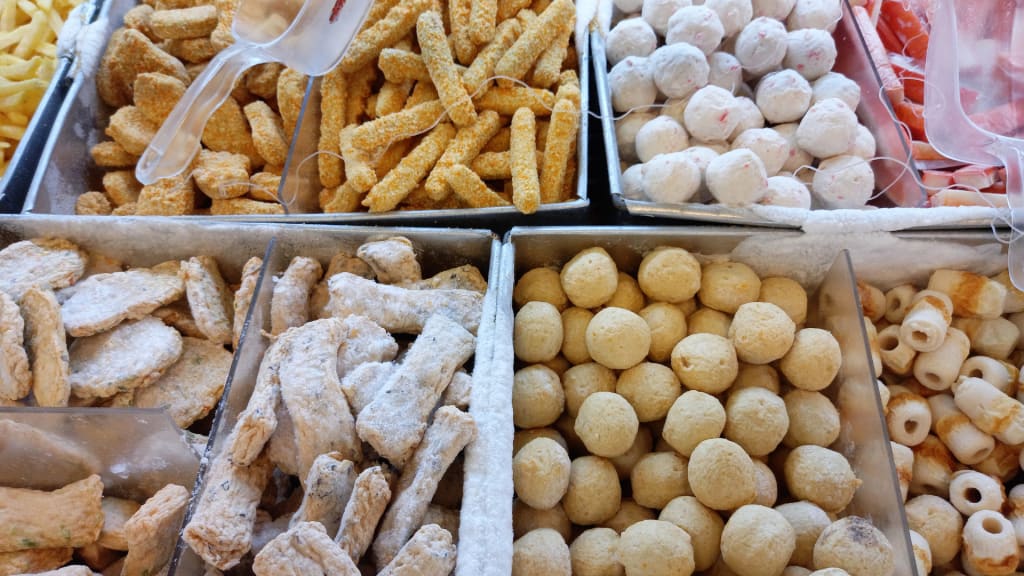
United States Frozen Food Market Overview
The United States Frozen Food Market, valued at US$ 79.66 billion in 2024, is entering a robust growth phase. According to Renub Research, the market is expected to expand at a CAGR of 8.91% from 2025 to 2033, reaching an impressive US$ 171.56 billion by 2033.
This growth trajectory reflects changing consumer lifestyles, increased demand for convenient and ready-to-eat foods, rising consumption of frozen fruits and vegetables, and continuous advancements in freezing and cold-chain technologies. Additionally, the rapid expansion of e-commerce grocery platforms and modern retail distribution channels has significantly boosted frozen food accessibility across the country.
Frozen foods—ranging from meals, fruits, vegetables, meat, seafood, snacks, and desserts—have evolved far beyond their earlier image as highly processed alternatives. With innovations such as flash freezing and cryogenic freezing, manufacturers are now able to preserve freshness, texture, and nutritional value while extending shelf life.
Why Frozen Foods Matter in the U.S. Food System
Frozen foods play a vital role in American households, foodservice outlets, cafeterias, and quick-service restaurants. Their long shelf life, reduced food waste, and cost efficiency make them a reliable option for families and institutions alike.
Beyond convenience, frozen foods contribute significantly to food security and emergency preparedness, offering stable meal solutions during natural disasters, supply disruptions, or extreme weather conditions.
The rise of organic, plant-based, gluten-free, and clean-label frozen foods has further expanded consumer acceptance. With online grocery shopping and home delivery gaining momentum, frozen food has become one of the most resilient and fastest-growing segments of the U.S. food industry.
Key Growth Drivers in the United States Frozen Food Market
1. Rising Demand for Convenient and Ready-to-Eat Foods
Busy lifestyles, longer working hours, and the rise of dual-income households have dramatically reshaped American eating habits. Consumers increasingly seek quick, easy-to-prepare meal options that do not compromise taste or nutrition.
Frozen foods meet this demand by offering:
Minimal preparation time
Extended shelf life
Reduced food waste
Consistent quality
According to a March 2025 National Frozen & Refrigerated Foods Association (NFRA) survey, frozen foods have become central to meal planning:
83% of shoppers say frozen foods make meal planning easier
71% prefer ready-to-eat and quick-prep meal options
67% appreciate organized frozen ingredients for creative cooking
These findings reinforce frozen food’s importance for modern American families.
2. Expansion of E-Commerce and Online Grocery Shopping
Online grocery shopping has transformed how Americans purchase frozen foods. Platforms such as Walmart, Amazon Fresh, and Instacart are significantly expanding frozen food selections and cold-chain delivery capabilities.
As of September 2024, more than 138 million Americans purchased groceries online. However, only around 9.5% of U.S. supermarkets currently offer online grocery services, highlighting enormous untapped digital potential.
Meal kit subscriptions and direct-to-consumer frozen food brands are further accelerating market growth by offering curated, high-quality frozen meal solutions delivered directly to consumers’ homes.
3. Growing Preference for Health-Oriented and Organic Frozen Foods
Health consciousness is reshaping frozen food offerings across the U.S. Consumers are actively seeking:
Organic and non-GMO options
Plant-based and vegan frozen meals
High-protein and low-sodium products
Gluten-free and allergen-friendly foods
Manufacturers are responding with cleaner labels, fewer preservatives, and sustainably sourced ingredients.
In September 2024, Amy’s Kitchen, a pioneer in organic frozen foods, expanded into frozen breakfast burritos, wraps, and entrées—reinforcing the demand for nutritious yet convenient frozen meals.
Challenges Facing the United States Frozen Food Market
Perception of Lower Nutritional Value
Despite major technological advancements, some consumers still perceive frozen foods as less nutritious than fresh alternatives. Concerns about preservatives, artificial additives, and sodium levels remain barriers to adoption.
Industry players are addressing this challenge through education campaigns highlighting the nutritional benefits of frozen fruits and vegetables, which are often frozen at peak freshness.
Cold Chain and Storage Constraints
Frozen food logistics rely heavily on cold storage infrastructure and temperature-controlled transportation. Rising fuel costs, labor shortages, and supply chain disruptions have increased operational expenses.
Smaller and mid-sized manufacturers often face challenges in expanding distribution nationwide due to high capital requirements for cold-chain systems.
Key Market Segments Analysis
United States Frozen Breakfast Food Market
Frozen breakfast foods—including waffles, pancakes, burritos, and breakfast sandwiches—continue to gain popularity due to convenience and nutritional improvements.
In March 2024, Mason Dixie Foods launched single-serve breakfast sandwiches made with simple ingredients and no preservatives, reflecting growing demand for clean-label breakfast options.
United States Frozen Seafood Market
Frozen seafood remains a strong segment, driven by demand for shrimp, salmon, cod, and shellfish. Consumers favor frozen seafood for its availability, affordability, and omega-3 content.
In February 2023, Red Lobster® entered the retail frozen seafood category, allowing consumers to enjoy restaurant-quality seafood at home.
United States Frozen Poultry Food Market
Frozen poultry products such as nuggets, wings, and chicken breasts benefit from high protein demand and ease of preparation.
In June 2024, Hooters introduced frozen appetizers nationwide through Publix, expanding restaurant-branded frozen offerings in retail stores.
United States Frozen Ice Cream and Desserts Market
The frozen dessert segment is evolving with plant-based, dairy-free, keto-friendly, and sugar-free ice creams. Premium ingredients and innovative flavors continue to attract health-conscious and indulgence-seeking consumers alike.
United States Frozen Fruits and Vegetables Market
Frozen fruits like strawberries, blueberries, and raspberries, and vegetables such as broccoli, spinach, and mixed vegetables, are staples in American households. Demand is fueled by plant-based diets, meal kits, and organic food trends.
Distribution Channel Insights
Hypermarkets & Supermarkets
Major retailers including Walmart, Kroger, and Target dominate frozen food distribution. Expanded freezer aisles and private-label frozen products are key strategies to meet growing demand.
Online Frozen Food Market
Online platforms are witnessing rapid growth, supported by improved cold delivery logistics and broader product availability. Direct-to-consumer frozen brands and subscription-based meal services are further strengthening this channel.
Regional Market Insights
East U.S.: Strong demand driven by dense urban populations and busy lifestyles
North U.S.: Higher frozen food consumption due to colder climates and seasonal stocking
West & South U.S.: Growing demand for organic, plant-based, and premium frozen products
Competitive Landscape: Key Companies Profiled
The market analysis covers leading players from four perspectives—overview, key personnel, recent developments, and revenue insights:
Unilever PLC
Nestlé S.A.
General Mills, Inc.
Nomad Foods Ltd.
Tyson Foods Inc.
Conagra Brands Inc.
Wawona Frozen Foods
Bellisio Parent, LLC
McCain Foods
The Kraft Heinz Company
Final Thoughts
The United States Frozen Food Market is undergoing a powerful transformation driven by convenience, health-focused innovation, and digital grocery expansion. With the market projected to grow from US$ 79.66 billion in 2024 to US$ 171.56 billion by 2033, frozen food is no longer a secondary grocery option—it is a core pillar of modern American consumption.
As manufacturers invest in clean-label products, sustainable packaging, and smarter cold-chain solutions, frozen foods are poised to remain one of the most dynamic and resilient segments of the U.S. food industry for years to come.
About the Creator
Marthan Sir
Educator with 30+ years of teaching experience | Passionate about sharing knowledge, life lessons & insights | Writing to inspire, inform, and empower readers.
Keep reading
More stories from Marthan Sir and writers in Feast and other communities.
Europe Snack Bar Market Size and Forecast 2025–2033
Europe Snack Bar Market Overview The Europe Snack Bar Market has emerged as one of the most dynamic segments within the region’s packaged food industry, reflecting shifting consumer habits and lifestyle transformations. According to Renub Research, the Europe Snack Bar Market was valued at USD 3.46 billion in 2024 and is projected to reach USD 6.42 billion by 2033, growing at a compound annual growth rate (CAGR) of 7.11% from 2025 to 2033.
By Marthan Sir28 days ago in Feast
My Tous les Jours Trip
As someone who lives in a rural area, I don't get the chance to visit fancy restaurants or bakeries that often. So, when a friend told me about a French-Asian bakery that's less than an hour away, I knew I had to check it out and grab some pictures for social media. Tous les Jours ended up providing an immersive experience that went above and beyond my expectations--although I did leave with a few reservations.
By Kaitlin Shanks16 days ago in Feast
New Ways to Save on the Grocery Budget
With rising grocery prices and stagnant wages, it is time for many people to return to some old tried and true ways of saving money on groceries. While shopping sales and clipping coupons are great choices, there are some other ways that can help you to stretch your grocery budget.
By Brandi Brown2 days ago in Feast




Comments
There are no comments for this story
Be the first to respond and start the conversation.