
United States Frozen Food Market Trends 2025–2033: Innovation, Convenience, and Health Consciousness Fuel Rapid Growth
The U.S. Frozen Food Market is projected to soar from US$ 79.66 billion in 2024 to US$ 171.56 billion by 2033, expanding at a CAGR of 8.91%, driven by changing consumer lifestyles, health-oriented innovations, and a digital shopping boom.

A Deep Dive into the United States Frozen Food Market
The United States Frozen Food Market, valued at US$ 79.66 billion in 2024, is set to witness remarkable growth, reaching US$ 171.56 billion by 2033, according to Renub Research. This growth, projected at a CAGR of 8.91% from 2025 to 2033, reflects a major shift in American eating habits. With increasingly busy lifestyles, consumers are seeking ready-to-eat, nutrient-rich, and convenient meal options—and frozen food perfectly fits the bill.
Frozen food encompasses a vast range of categories, including frozen meals, meat/poultry/seafood, desserts, fruits & vegetables, snacks, and baked goods, distributed through both traditional retail and digital channels. Technological advances in freezing—like cryogenic and flash freezing—ensure that nutritional value and flavor are preserved, making frozen foods a trusted choice for modern consumers.
The American Frozen Food Revolution: What’s Driving It
1. Convenience as a Lifestyle Choice
The biggest driver of the U.S. frozen food boom is convenience. With dual-income families and fast-paced urban living, Americans are choosing frozen options that save time without compromising on taste or nutrition.
According to the National Frozen & Refrigerated Foods Association (NFRA), 71% of shoppers appreciate ready-to-eat frozen meal options, and 83% say frozen foods simplify meal planning. These products offer longer shelf life, less waste, and consistent quality—key features that align with the modern consumer’s preference for ease and efficiency.
2. E-Commerce and Digital Grocery Expansion
Online grocery shopping has transformed how Americans buy food. Platforms like Walmart, Amazon Fresh, and Instacart are expanding their frozen food assortments, offering doorstep delivery and a wider selection than ever before.
In September 2024, data showed 138 million Americans purchased groceries online. Yet, only about 9.5% of supermarkets currently sell online—revealing significant room for growth in the digital frozen food segment. Subscription meal boxes and direct-to-consumer frozen brands are further accelerating this digital transformation.
3. The Rise of Health-Conscious and Organic Frozen Foods
The perception of frozen foods is rapidly evolving. Once viewed as unhealthy, frozen meals are now being reimagined with organic, plant-based, gluten-free, and protein-rich ingredients. Brands are investing in clean labels, reduced preservatives, and sustainable sourcing to appeal to health-minded shoppers.
For instance, in September 2024, Amy’s Kitchen, the pioneering organic frozen food company, expanded into the frozen breakfast segment with new burritos and wraps made from wholesome ingredients—catering to both convenience and nutrition-conscious consumers.
Key Challenges Impacting Market Expansion
1. Perception of Lower Nutritional Value
Despite technological improvements, some consumers still associate frozen foods with artificial additives and lower nutritional quality. Education campaigns emphasizing the minimal processing and nutrient retention of frozen fruits and vegetables are crucial to changing this perception.
2. Cold Chain Logistics and Cost Pressures
Maintaining the frozen food supply chain—cold storage, transport, and distribution—requires significant investment. Rising fuel costs, labor shortages, and infrastructure challenges can impact quality and pricing. For small and mid-sized companies, nationwide distribution remains costly and complex.
Spotlight on Key Frozen Food Categories
Frozen Breakfast Foods
From waffles and pancakes to burritos and sandwiches, frozen breakfast options are gaining traction. Demand for whole-grain, high-protein, and organic options is rising. In March 2024, Mason Dixie Foods launched single-serve breakfast sandwiches made with clean ingredients—proving that the frozen aisle can also be nutritious.
Frozen Seafood
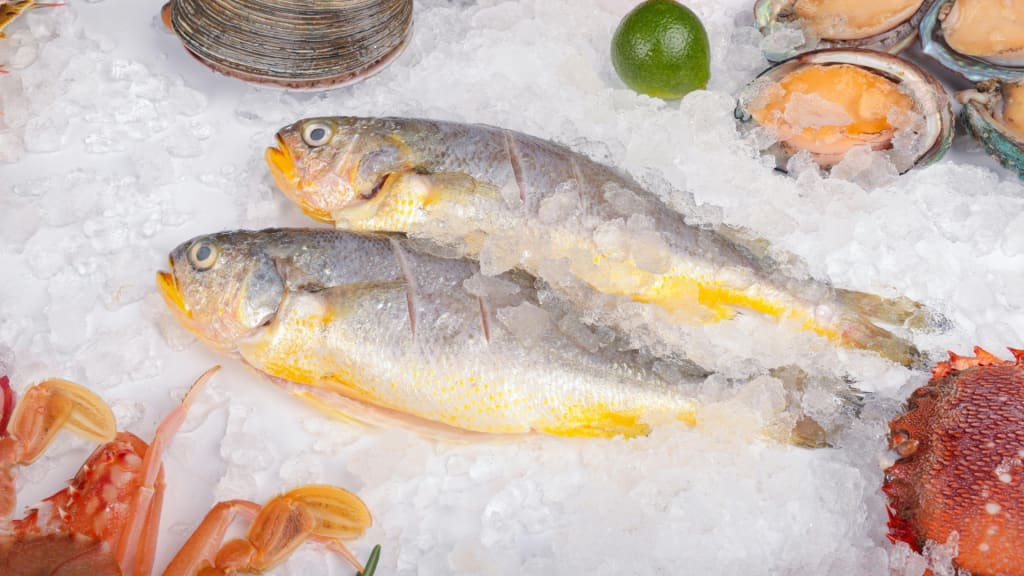
Seafood remains one of the fastest-growing frozen categories. Consumers are drawn to shrimp, salmon, cod, and shellfish for their omega-3 benefits and year-round availability. Sustainability-certified seafood is becoming a priority.
In February 2023, Red Lobster® debuted its retail frozen line, including Cheddar Bay Biscuit® Shrimp and Coconut Shrimp Bites, offering restaurant-quality seafood at home.
Frozen Poultry
Frozen chicken products such as nuggets, wings, and pre-seasoned fillets dominate freezer sections. Health concerns about antibiotics and factory farming are pushing demand toward organic and free-range products. In June 2024, Hooters introduced its signature frozen appetizers nationwide, blending convenience with restaurant-style flavor.
Frozen Desserts: Ice Cream and Sherbet
The U.S. frozen dessert segment continues to evolve with vegan, keto-friendly, and low-sugar ice creams capturing attention. Plant-based innovations and indulgent flavors are expanding the consumer base, making this segment a blend of health and pleasure.
Frozen Fruits and Vegetables
Frozen fruits like strawberries, blueberries, and peaches are favored for smoothies and desserts. They offer consistent quality and year-round access, aligning with the “health anytime” trend.
Frozen broccoli, peas, and mixed vegetables are staples for health-conscious and plant-based consumers. Their high fiber and vitamin content, coupled with convenience, have made them indispensable in American households.
Prepared and Mixed Vegetables
Pre-cut and seasoned vegetables used in stir-fries and meal kits are witnessing high demand. Consumers appreciate their time-saving nature and nutrient retention, and retailers are responding with more organic and sustainably packaged offerings.
Frozen Snacks
Frozen snacks like mozzarella sticks, dumplings, and pizza rolls are especially popular among millennials and Gen Z. The trend toward air-fried and gluten-free options reflects changing dietary habits and a growing interest in convenient yet healthier indulgences.
Distribution Channels Shaping the Market
1. Hypermarkets & Supermarkets
Chains like Kroger, Target, and Walmart continue to dominate the frozen food market. They are expanding freezer aisles and introducing private-label frozen brands to attract price-sensitive consumers without sacrificing quality.
2. Online Sales
E-commerce is the fastest-growing channel for frozen foods. Consumers value the convenience, product variety, and contactless delivery offered by platforms like Amazon Fresh, Instacart, and Walmart Online. Direct-to-consumer models and subscription-based frozen meal services are redefining the frozen food shopping experience.
Regional Insights
East United States:
High population density and busy urban lifestyles in cities like New York, Boston, and Washington, D.C. contribute to significant demand for ready-to-eat frozen meals and desserts. Online grocery platforms are especially popular in this region.
North United States:
With long winters, northern states like Michigan and Minnesota see increased consumption of frozen fruits, vegetables, and comfort foods. A strong focus on organic and vegetarian frozen options is evident among health-driven consumers.
Leading Companies in the U.S. Frozen Food Market
Major players are investing in innovation, product diversification, and sustainability to maintain a competitive edge.
Key companies include:
Unilever PLC
Nestlé S.A.
General Mills, Inc.
Nomad Foods Ltd.
Tyson Foods Inc.
Conagra Brands Inc.
Wawona Frozen Foods
Bellisio Parent, LLC
McCain Foods
The Kraft Heinz Company
These corporations are integrating healthier ingredients, expanding e-commerce strategies, and focusing on eco-friendly packaging to attract the next generation of consumers.
Final Thoughts
The U.S. Frozen Food Market is in the midst of a transformation. What was once viewed as a compromise between convenience and quality has evolved into a premium, innovative, and sustainable food segment. As consumers continue to embrace time-saving, health-conscious lifestyles, and digital grocery shopping, frozen food is positioned to remain a powerhouse of the American diet.
With technological advances, healthier options, and growing online accessibility, the frozen food industry is not just surviving—it’s thriving. The next decade will see this market redefine how Americans eat, shop, and think about convenience.
Source: Renub Research – United States Frozen Food Market Forecast 2025–2033
About the Creator
Janine Root
Janine Root is a skilled content writer with a passion for creating engaging, informative, and SEO-optimized content. She excels in crafting compelling narratives that resonate with audiences and drive results.
Keep reading
More stories from Janine Root and writers in Feast and other communities.
United States Fast Food & Quick Service Restaurant Market Size and Forecast 2025
The United States Fast Food & Quick Service Restaurant (QSR) Market has long been a symbol of American culture — fast, efficient, and adaptable. According to Renub Research, the market was valued at US$ 248.8 billion in 2024 and is projected to expand to US$ 345.6 billion by 2033, growing at a CAGR of 3.74% from 2025 to 2033.
By Janine Root 2 months ago in Feast
My Tous les Jours Trip
As someone who lives in a rural area, I don't get the chance to visit fancy restaurants or bakeries that often. So, when a friend told me about a French-Asian bakery that's less than an hour away, I knew I had to check it out and grab some pictures for social media. Tous les Jours ended up providing an immersive experience that went above and beyond my expectations--although I did leave with a few reservations.
By Kaitlin Shanks16 days ago in Feast
United States Soybean Oil Market Size & Forecast 2025–2033
United States Soybean Oil Market Overview The United States Soybean Oil Market is anticipated to witness robust growth over the coming decade, expanding from US$ 27.06 billion in 2024 to US$ 59.85 billion by 2033, according to Renub Research. This impressive expansion represents a Compound Annual Growth Rate (CAGR) of 9.22% during the forecast period from 2025 to 2033.
By Aaina Oberoi5 days ago in Feast




Comments
There are no comments for this story
Be the first to respond and start the conversation.