
United States Fast Food & Quick Service Restaurant Market Size and Forecast 2025
How America’s Fast Food Industry Is Reinventing Itself for the Digital Age


The United States Fast Food & Quick Service Restaurant (QSR) Market has long been a symbol of American culture — fast, efficient, and adaptable. According to Renub Research, the market was valued at US$ 248.8 billion in 2024 and is projected to expand to US$ 345.6 billion by 2033, growing at a CAGR of 3.74% from 2025 to 2033.
This growth reflects America’s evolving dining landscape, where convenience, technology, and customization are reshaping the traditional fast food model. From burgers and tacos to plant-based bowls and gourmet coffee, QSRs are adapting rapidly to stay relevant in a dynamic consumer environment.
Fast Food & QSRs: The Heart of America’s Food Culture
Fast food and quick service restaurants are the lifeblood of America’s food industry. Known for speed, affordability, and consistency, these establishments cater to millions daily — from students grabbing breakfast sandwiches to professionals ordering lunch via mobile apps.
Brands like McDonald’s, Subway, and Taco Bell dominate the space, but the rise of fast-casual players such as Chipotle, Shake Shack, and Panera Bread shows that consumers want both speed and quality.
A combination of urban lifestyles, rising employment levels, and digital convenience has made QSRs indispensable. What once symbolized indulgence has now evolved into a tech-driven, customer-centric ecosystem — one that’s redefining the way Americans eat on the go.
Key Growth Drivers in the U.S. Fast Food & QSR Market
1. Growing Demand for Convenience and On-the-Go Eating
Time is the new currency, and Americans are willing to pay for it. Longer work hours and busy routines have made on-the-go dining a daily necessity.
Drive-thrus, mobile ordering, and third-party delivery platforms like DoorDash and Uber Eats have revolutionized accessibility. Contactless payments and digital menus add further convenience, while brands experiment with AI-powered drive-thrus and kitchen automation to speed up service.
For instance, Perkins American Food Co. launched “Perkins Griddle Go” in 2024 — a fast-casual concept tailored for time-crunched consumers seeking hot, fresh meals within minutes.
2. Expansion of Healthier Menu Options
Health-conscious consumers are transforming the fast food menu. Gone are the days when burgers and fries ruled without challenge — now it’s about balance, transparency, and choice.
Major players like McDonald’s, Burger King, and Subway are adding plant-based, low-calorie, and organic offerings. The introduction of salads, grilled proteins, and meat alternatives has broadened the customer base, appealing to those mindful of nutrition.
In June 2024, the U.S. Department of Agriculture launched the Healthy Food Financing Initiative (HFFI) to promote nutritious food access through the Food Access and Retail Expansion (FARE) Fund, reinforcing consumer awareness and healthy dining trends.
3. Technological Advances and Digital Ordering
Technology is redefining QSR operations and customer experiences. From AI-based menu recommendations to loyalty apps and automated kiosks, innovation drives every touchpoint.
Starbucks and Chick-fil-A are leaders in app-based loyalty programs, while virtual brands and ghost kitchens cater exclusively to online delivery demand.
In February 2024, My Place Hotels of America partnered with Grubhub to enable seamless online ordering via QR codes, allowing guests to order from local restaurants with integrated location tracking.
Technology is no longer optional — it’s the engine behind customer engagement, efficiency, and brand loyalty.
Market Challenges: Rising Costs and Fierce Competition
1. Higher Food and Labor Costs
Inflation and supply chain disruptions have significantly raised the cost of ingredients and labor. Fast food operators are now navigating increased wages, sustainability requirements, and price-sensitive customers simultaneously.
The push toward eco-friendly packaging and compliance with regulatory standards adds further pressure on margins. Maintaining profitability without alienating price-conscious consumers has become one of the biggest balancing acts in the QSR industry.
2. Intensifying Competition and Market Saturation
The American fast food market is crowded and cutthroat. Legacy giants like McDonald’s, Wendy’s, and KFC face mounting pressure from fast-casual disruptors like Chipotle and Shake Shack, which blend speed with superior quality and fresh ingredients.
Furthermore, independent restaurants and international entrants continue to raise the bar with authentic flavors and innovative service models. To stay competitive, QSRs must continuously invest in menu innovation, digital marketing, and personalized experiences.
Segment Analysis: Fast Food Favorites that Rule the Market
🍔 Hamburgers: America’s Classic Comfort Food
The hamburger segment remains the backbone of U.S. fast food culture. Iconic chains such as McDonald’s, Burger King, and Wendy’s dominate, while premium brands like Five Guys and Shake Shack cater to a more upscale crowd.
Consumers are increasingly drawn to fresh ingredients, customizable toppings, and vegan alternatives like Beyond Meat and Impossible Burger. Despite competition, hamburgers maintain their cultural status as America’s go-to comfort food — satisfying every taste, from classic beef to gourmet plant-based patties.
🍕 Pizza: Customization and Convenience on the Rise
The pizza segment continues to thrive, driven by convenience and creativity. Giants such as Domino’s, Pizza Hut, and Papa John’s dominate with strong delivery infrastructure and digital integration.
The ability to customize pizzas — from gluten-free to cauliflower crusts — has helped brands attract new demographics. The rise of take-and-bake and frozen pizza models has further extended reach, giving consumers a restaurant-quality experience at home.
🌮 Mexican Fast Food: A Flavorful Growth Story
Mexican cuisine is the fastest-growing segment within the QSR market. Taco Bell, Chipotle, and Qdoba lead the category with their fusion of traditional and modern flavors.
Consumers are embracing fresh ingredients, customizable burritos, and protein-rich meals, while plant-based options like sofritas cater to vegan diners. With a rising Hispanic population and growing love for global cuisine, Mexican fast food continues to spice up America’s palate.
Regional Insights: Fast Food Across the U.S.
🗽 East United States
The East Coast, home to cities like New York, Washington D.C., and Boston, has one of the highest QSR densities. With a diverse consumer base, Eastern QSRs offer everything from gourmet sandwiches to organic smoothies.
According to the National Restaurant Association, California (83,501 restaurants) and Washington (16,379 restaurants) are among the most restaurant-dense areas in the country. In 2022, Uber Eats partnered with over 825,000 restaurants nationwide, expanding digital access to fast food.
🌴 West United States
The West Coast, known for its tech-savvy consumers, embraces fast food with a twist — sustainability and health. California, the birthplace of In-N-Out Burger and Jack in the Box, continues to inspire eco-friendly innovations and plant-based dining trends.
Tech-forward features like mobile payment, AI ordering, and app-driven delivery systems are now standard, particularly in metropolitan hubs such as Los Angeles and San Francisco.
🧊 North United States
In the North, colder climates drive preference for warm, hearty meals — burgers, soups, and sandwiches dominate. Regional favorites like Culver’s and Tim Hortons thrive, while coffee-focused QSRs such as Dunkin’ and Starbucks are cultural staples.
Ghost kitchens and on-demand delivery continue to grow in urban centers, catering to the convenience-driven millennial workforce.
🍗 South United States
The South’s culinary roots run deep in fried chicken, barbecue, and comfort food. Chains such as Chick-fil-A, Popeyes, and Bojangles dominate, while Texas and Florida’s population boom fuels rapid expansion.
However, southern QSRs are also adapting to the health trend, introducing grilled options and fresh salads to balance indulgence with wellness.
Major Companies Covered in the Report
Renub Research’s report analyzes all key players from four key perspectives — Overview, Key Persons, Recent Developments, and Revenue.
Leading companies include:
McDonald’s Corporation
Pizza Hut, LLC
KFC Corporation
Domino’s Pizza, Inc.
Taco Bell IP Holder, LLC
Chick-fil-A, Inc.
Starbucks Corporation
Chipotle Mexican Grill, Inc.
Final Thoughts: The Future of Fast Food in America
The United States Fast Food & Quick Service Restaurant Market is entering a transformative phase. As consumers demand speed, health, and digital integration, the lines between fast food and fine dining continue to blur.
Brands that can balance affordability with quality, automation with authenticity, and indulgence with nutrition will lead the next chapter of America’s fast food revolution.
From drive-thrus to drone deliveries, the future of fast food is not just fast — it’s smart, sustainable, and customer-first.
Source: Renub Research, “United States Fast Food & Quick Service Restaurant Market: Size, Share, Forecast 2025–2033.”
About the Creator
Janine Root
Janine Root is a skilled content writer with a passion for creating engaging, informative, and SEO-optimized content. She excels in crafting compelling narratives that resonate with audiences and drive results.
Keep reading
More stories from Janine Root and writers in Feast and other communities.
Australia Meat Snacks Market Size and Forecast 2025–2033
The Australia Meat Snacks Market is on a robust growth trajectory, poised to expand from US$ 181.73 million in 2024 to around US$ 305.72 million by 2033, reflecting a compound annual growth rate (CAGR) of 5.95% between 2025 and 2033, according to Renub Research.
By Janine Root 3 months ago in Feast
My Tous les Jours Trip
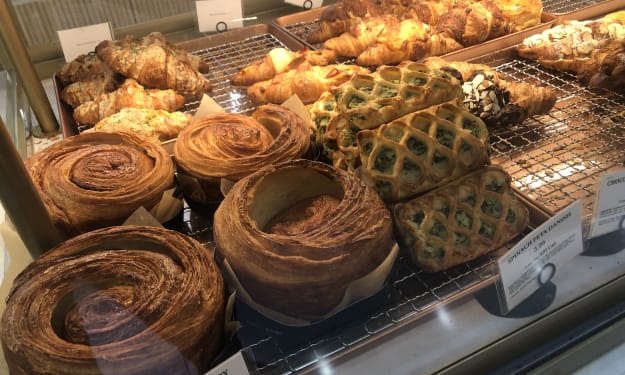
As someone who lives in a rural area, I don't get the chance to visit fancy restaurants or bakeries that often. So, when a friend told me about a French-Asian bakery that's less than an hour away, I knew I had to check it out and grab some pictures for social media. Tous les Jours ended up providing an immersive experience that went above and beyond my expectations--although I did leave with a few reservations.
By Kaitlin Shanks17 days ago in Feast
New Ways to Save on the Grocery Budget
With rising grocery prices and stagnant wages, it is time for many people to return to some old tried and true ways of saving money on groceries. While shopping sales and clipping coupons are great choices, there are some other ways that can help you to stretch your grocery budget.
By Brandi Brown2 days ago in Feast



Comments
There are no comments for this story
Be the first to respond and start the conversation.