
Understanding Norovirus Outbreaks: A Public Health Challenge
Understanding Norovirus Outbreaks: A Public Health Challenge
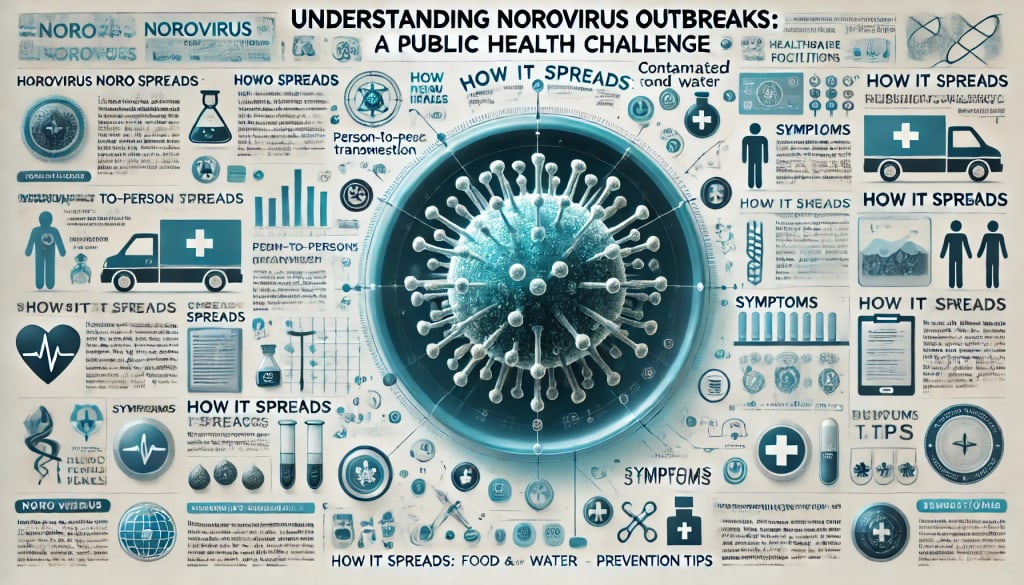
Norovirus, frequently termed the "stomach flu," is the virus responsible for acute gastroenteritis. It often exhibits symptoms such as nausea and vomiting, diarrhea, abdominal cramps, and sore throats. Even though its life span is relatively brief, this makes it a strong cause for public health issues as it can spread over an extensive population in such short periods.
What is a norovirus?
Norovirus is a member of the viruses that affect the gastrointestinal tract. It is the most common cause of foodborne illness in the world, accounting for about 685 million cases every year, according to the WHO. The virus is very hardy and can survive on surfaces for weeks, and it is resistant to many disinfectants, making it difficult to control outbreaks.
How is norovirus transmitted?
Norovirus is mainly spread by
Direct Contact: Contact with the infected, for example, caring for the infected or using utensils, increases the chance of transference.
Food or water contamination: People get the virus through consuming contaminated food and water. Uncooked and undercooked shellfish and some fruits are commonly involved in the transmission of the virus
Surface contamination: Infection also occurs due to coming into contact with contaminated surfaces and then touching the nose, mouth, or eyes.
The infectious dose is low, meaning even a small number of viral particles can cause illness.
Symptoms of Norovirus
Symptoms develop within 12 to 48 hours after exposure and last one to three days. Common symptoms include:
Nausea
Vomiting
Diarrhea
Stomach pain
Fever
Headaches
Body aches
In most cases, people recover without serious complications. However, in young children, the elderly, and immunocompromised patients, severe dehydration may occur.
Factors Contributing to Outbreaks
Several factors contribute to norovirus outbreaks
High Contagiousness: It easily spreads in crowded places, including schools, hospitals, nursing homes, and cruise ships.
Environmental Stability: Norovirus is able to survive extreme temperatures and common cleaning agents, enabling it to survive in the environment.
Seasonal Trends: It tends to occur more often during the colder months of the year, but it may occur at any time of the year.
Human Behavior: Poor hand hygiene and improper food handling are considered key factors in the spread of the virus.
Preventing Norovirus Outbreaks
Preceding norovirus entails a combination of personal hygiene practices and systemic measures.
Hand Hygiene: This involves the thorough washing with soap and water of hands after one has been to the bathroom, changed diapers, or is about to eat or handle food. Alcohol-based hand sanitizers are not that effective against norovirus.
Food Safety: These include washing fruits and vegetables properly, cooking seafood very well, and not handling food if feeling unwell.
Surface Disinfection: Use a disinfectant that has chlorine or other effective agent to clean surfaces, particularly where someone has been sick.
Separation of the Sick Person: The infected should keep off others, especially in collective settings, until 48 hours after the symptoms disappeared.
Control of an Outbreak
When an outbreak is realized, it calls for prompt action to minimize its spread.
Immediate Reporting: Report to the local health authorities to enable the response and control to happen quickly.
Cleaning and Disinfection: Clean contaminated surfaces using appropriate disinfectants, and dispose of the waste properly.
Communication: Inform the affected communities of the hygiene practices and the measures to be taken.
Medical Support: Provide rehydration and supportive care to the infected population, especially vulnerable individuals.
Recent Norovirus Outbreaks
This indicates that the virus can be very disruptive and straining to healthcare. For example, cruise ships are commonly affected because passengers are often in close contact with one another and often share common facilities. Schools and daycare centers also experience common outbreaks since the virus spreads fast among children.
Future Challenges and Research
The unpredictability of norovirus outbreaks remains a challenge that is constantly faced. Vaccines are under development but have not yet produced a product available for commercial use. Studies on effective disinfectants and ways to increase public awareness remain an important component in controlling outbreaks.
Conclusion
Norovirus outbreaks remind us of the importance of hygiene and public health measures in preventing the spread of infectious diseases. Although it is not life-threatening for most, its rapid spread and the potential to overwhelm healthcare facilities make it a priority for public health professionals. Preventive practices and community awareness can reduce the impact of this pervasive virus and protect vulnerable populations.
About the Creator
Keep reading
More stories from Mohd Imran and writers in Feast and other communities.
Winter Weight Loss: 7 Easy Tips to Melt Belly Fat
Winter- a magical season full of cozy sweaters, family gatherings, and hot lattes. However for many, it's when belly fat starts building on. The cold and relatively short days make people prefer curling up inside home with comfort foods, reducing most of the activities, making them gain weight. However, with the right approach, winter can be the perfect time to kick-start your journey to a healthier you. Here are seven easy tips to melt belly fat and stay fit during the chilly months.
By Mohd Imranabout a year ago in Feast
The food business is undergoing a transformation thanks to gene-edited fungus, which is being considered as a beef substitute.
Compared to the strain now in use, a gene-edited fungus has created meat-like protein that grows more quickly and uses a lot less sugar. These improvements bring one of the earliest meat alternatives in the world closer to competing with animals in terms of scale and efficiency.
By Francis Damia day ago in Feast




Comments
There are no comments for this story
Be the first to respond and start the conversation.